
Raised Bed vs. In-Ground Gardening: Which Setup Suits Your Yard?

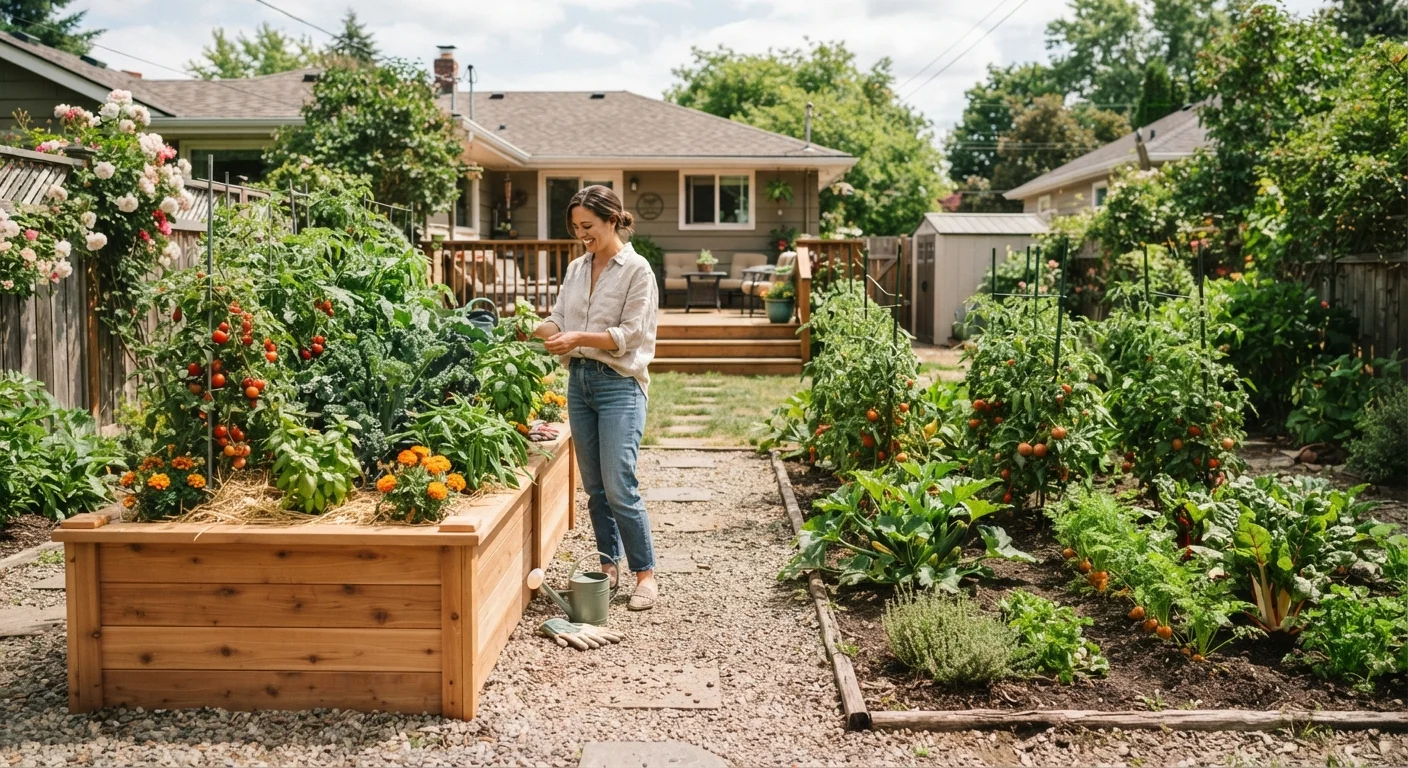
Photo: InsightsChief.com | Your Source Of Trusted Insights editorial
Key Takeaways
- Raised beds offer superior drainage and soil control but require a higher upfront material cost.
- In-ground plots cost less to start but depend heavily on the quality of your existing soil.
- Raised beds warm up faster in spring, extending your effective growing season.
- In-ground gardens scale more easily for large plantings and deep-rooted crops.
- Soil amendments benefit both approaches - the difference is how much control you have over the mix.
- Your site conditions - drainage, compaction, space - should drive the decision more than personal preference alone.
The Core Difference: Soil Control vs. Natural Integration
At the heart of this comparison is a single question: how much do you trust the ground beneath your feet? Raised beds let you build the growing environment from scratch - filling a contained frame with a curated mix of topsoil, compost, and amendments. In-ground gardening asks you to work with what you have, improving native soil gradually over seasons.
For many US households, native soil presents real obstacles. Compacted subsoil, heavy clay that drains poorly, or pH levels that suppress nutrient uptake can frustrate even experienced gardeners. Our guide to underperforming vegetable gardens covers how soil issues are among the most common culprits behind poor harvests. Raised beds sidestep these problems from day one. In-ground gardeners must diagnose and address them - a longer but often rewarding process.
Understanding your soil's pH and structure before choosing a method can save you significant time and money. A simple soil test, available through most cooperative extension services, reveals what you're actually working with.
Upfront Cost and Long-Term Investment
Cost is where in-ground gardening holds a meaningful advantage. Beyond basic tools and soil amendments, breaking ground costs very little. A raised bed, by contrast, requires materials for the frame - lumber, composite boards, or galvanized steel - plus a substantial volume of purchased fill soil to pack it. A single 4×8-foot bed can require 8 to 12 cubic feet of growing mix to fill adequately.
| Criterion | Raised Bed | In-Ground |
|---|---|---|
| Upfront cost | Higher (materials + fill soil) | Lower (labor + amendments) |
| Soil control | Full - custom mix | Partial - amend existing soil |
| Drainage | Excellent | Varies by site |
| Spring soil warmup | Earlier (2-4 weeks) | Slower |
| Weed pressure | Lower initially | Higher, especially early on |
| Scalability | Limited by frame cost | Easily expanded |
| Deep-rooted crops | Limited by bed depth | Well suited |
| Accessibility | High (adjustable height) | Standard ground level |
Over several seasons, those upfront costs often level out. Raised beds retain organic matter more efficiently, drain better, and require less reworking each year. In-ground plots may demand regular compost inputs to maintain tilth (the loose, crumbly texture ideal for root growth) and soil structure. Incorporating homemade compost is a practical way to reduce annual amendment costs for either method.
Drainage, Warmth, and the Growing Season
Raised beds drain faster because the soil sits above grade and isn't subject to the surrounding water table. This is a genuine advantage in regions with wet springs or heavy rainfall. The same elevated position also means raised bed soil warms up earlier in spring - sometimes two to four weeks ahead of in-ground soil - which can meaningfully extend your planting window for cool-season crops.
In-ground soil holds moisture longer, which can be a benefit during dry summers in regions with infrequent irrigation. Deep-rooted plants - tomatoes, peppers, corn - access subsoil moisture that raised beds simply don't provide. Applying the right mulch layer to either setup helps regulate soil temperature and retain moisture, reducing watering frequency regardless of your chosen method.
2-4 weeks
Earlier spring planting window in raised beds
Elevated soil warms faster than surrounding ground, allowing earlier seed sowing in many US climate zones.
6-12 inches
Recommended raised bed depth for most vegetables
Most cooperative extension programs suggest a minimum of 6 inches of quality growing mix, with 12 inches preferred for root crops.
~$100-$300
Typical cost to build and fill one 4×8-ft raised bed
Cost varies by material choice (lumber vs. composite vs. metal) and regional soil pricing; this range is a general estimate for planning purposes.
Weed Pressure, Pests, and Maintenance
Raised beds tend to start with fewer weed seeds - especially if you're filling with purchased or sterilized soil - and the defined edges make it easier to prevent grass from encroaching. A cardboard or landscape fabric base layer at installation can suppress weeds from below. In-ground beds inherit whatever seed bank exists in your existing soil, which can mean heavier weeding in early seasons.
Neither approach is pest-proof. Slugs, aphids, and root-knot nematodes don't discriminate. However, raised beds make it somewhat easier to add physical barriers - row cover, copper tape at the frame edge - without disrupting the broader garden. Thoughtful companion planting can help manage pest pressure in both systems by attracting beneficial insects and disrupting pest cycles.
Maintenance expectations are similar overall. Both methods benefit from seasonal soil prep, consistent watering, and end-of-season cleanup. For a structured pre-season routine, the spring garden readiness checklist applies equally well to either setup.
Choosing the Setup That Fits Your Yard
Neither method is universally superior. The decision comes down to site conditions, budget, and your specific gardening goals. If you're working with poor drainage, contaminated soil, or physical limitations, raised beds offer a more controlled and accessible start. If you have workable native soil, plenty of space, and a preference for low upfront cost, in-ground gardening is a practical and time-tested choice.
You're also not locked in. Many gardeners run both: raised beds for herbs, salad greens, and root vegetables that benefit from loose, well-drained soil, and in-ground rows for sprawling crops like squash or sweet corn. If space is the primary constraint and you have no yard at all, container gardening offers a third path worth considering.
Whichever method you choose, pairing it with good planting decisions from the start matters. Our seed vs. transplant comparison can help you plan the next step once your beds are ready.
The content provided on our blog site traverses numerous categories, offering readers valuable and practical information. Readers can use the editorial team’s research and data to gain more insights into their topics of interest. However, they are requested not to treat the articles as conclusive. The website team cannot be held responsible for differences in data or inaccuracies found across other platforms. Please also note that the site might also miss out on various schemes and offers available that the readers may find more beneficial than the ones we cover.