
Why Your Vegetable Garden Keeps Underperforming

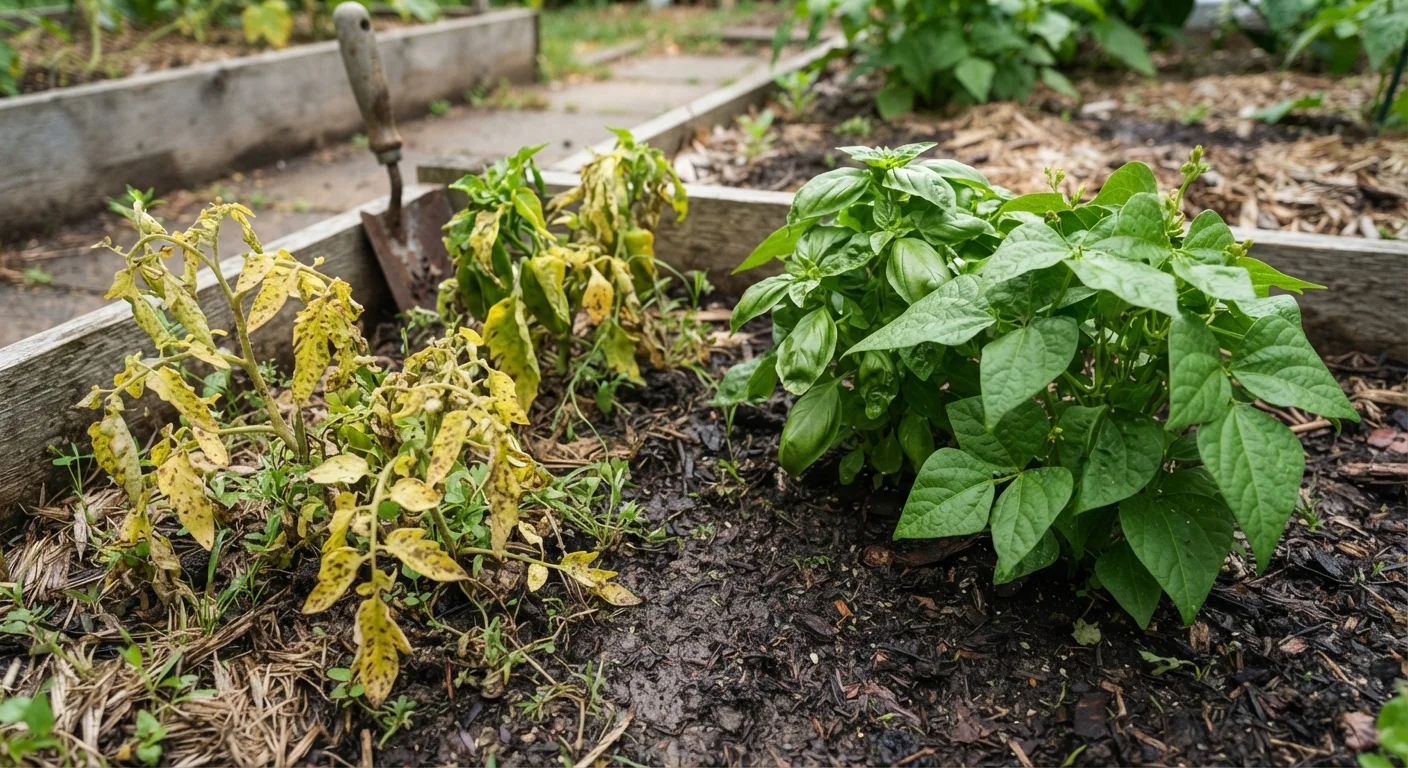
Photo: InsightsChief.com | Your Source Of Trusted Insights editorial
Key Takeaways
- Poor soil preparation is the single most common reason vegetables fail to thrive.
- Inconsistent watering - both too much and too little - causes more crop loss than most pests.
- Planting in the wrong location or at the wrong time undermines even healthy seedlings.
- Most underperforming gardens can be turned around with a few targeted, low-cost adjustments.
The Real Reasons Your Harvest Disappoints
A vegetable garden that produces little despite real effort is one of the most frustrating experiences a home grower can face. The good news is that poor harvests almost always trace back to a short list of correctable mistakes - not bad luck or a hopeless plot. Understanding the root causes puts you back in control.
Whether you're tending a raised bed or a traditional in-ground plot - and if you're weighing which to use, see our guide on raised bed vs. in-ground gardening - the same fundamental errors tend to appear. Below, we break down the most common ones, why they happen, and exactly what to do differently.
Skipping soil preparation before planting.
Planting in a location that doesn't receive enough direct sunlight.
Watering inconsistently, alternating between drought stress and overwatering.
Planting too early or too late for your local climate zone.
Overcrowding plants beyond recommended spacing.
Neglecting pest and disease monitoring until damage is severe.
Building Better Habits for a Stronger Season
Correcting these mistakes doesn't require expensive tools or a complete garden overhaul. Most fixes cost little beyond time and attention. Amending soil with compost, adjusting your watering schedule, and reading your site's sun patterns before planting are all achievable steps for everyday households.
Don't Ignore Soil Health Between Seasons
Watering habits deserve particular attention. Many gardeners water daily with brief, shallow sprinkles - a pattern that encourages weak, surface-level root growth. For a deeper look at what watering science actually supports, our article on watering myths that quietly kill plants is worth a read before your next session at the hose.
If you're starting fresh or struggling to gain traction at all, the first-time gardener's roadmap walks through planning and planting a manageable plot from scratch - a useful reset even for gardeners who've tried before.
Consistency is the thread connecting every improvement. A garden that receives steady attention - appropriate water, monitored soil health, and timely pest checks - will outperform a neglected one regardless of how good the seeds were to start.
6-8 hrs
Daily sunlight most fruiting vegetables require
University extension programs consistently recommend this minimum for crops like tomatoes, peppers, and cucumbers to produce adequately.
6.0-7.0
Ideal soil pH range for most vegetables
Soil outside this range limits nutrient availability regardless of how much fertilizer is applied, according to cooperative extension guidelines.
The content provided on our blog site traverses numerous categories, offering readers valuable and practical information. Readers can use the editorial team’s research and data to gain more insights into their topics of interest. However, they are requested not to treat the articles as conclusive. The website team cannot be held responsible for differences in data or inaccuracies found across other platforms. Please also note that the site might also miss out on various schemes and offers available that the readers may find more beneficial than the ones we cover.