
Watering Myths That Are Quietly Killing Your Plants

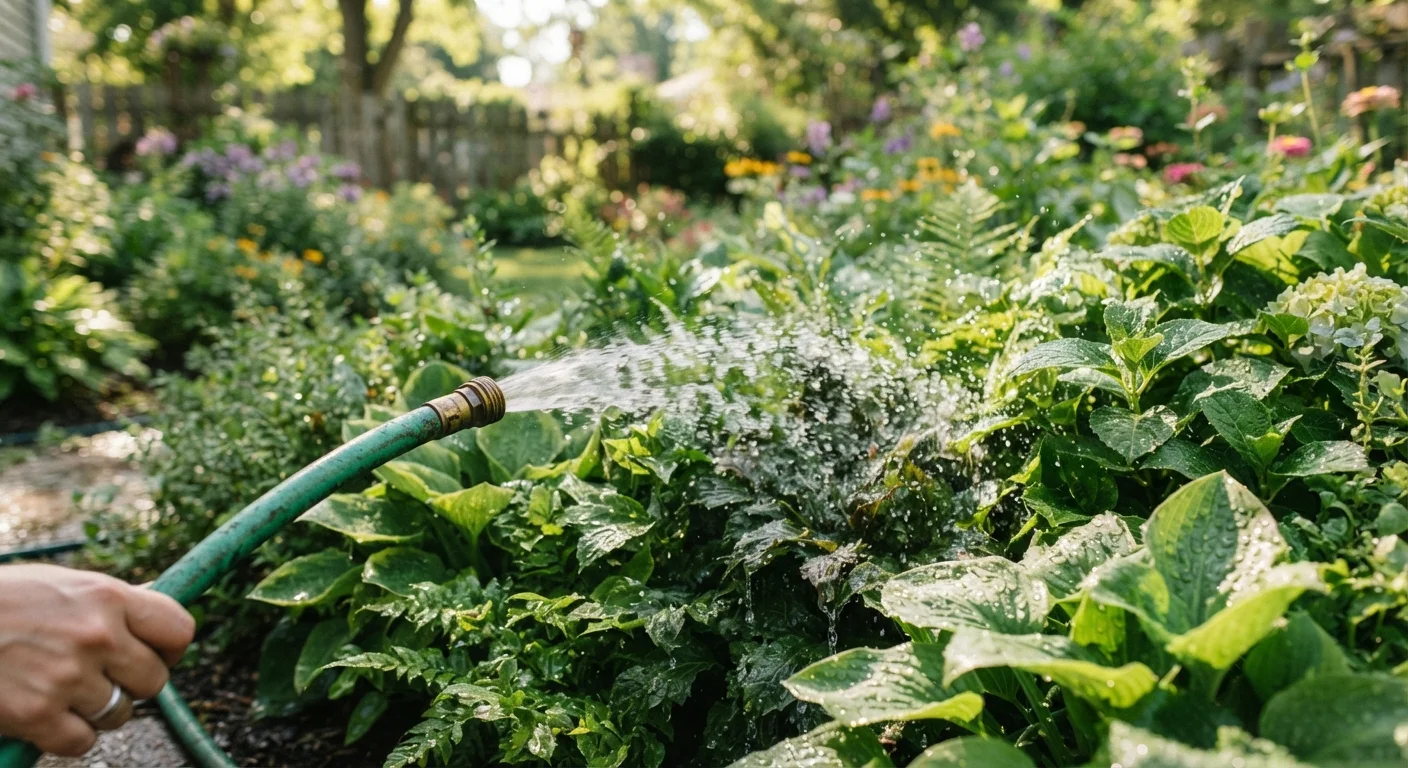
Photo: InsightsChief.com | Your Source Of Trusted Insights editorial
Key Takeaways
- More frequent watering is not always better - deep, infrequent watering promotes stronger root systems.
- Evening watering can encourage fungal disease; morning is generally the most effective time.
- Wilting doesn't always mean drought stress - overwatered plants wilt too.
- Most established plants need far less water than gardeners assume.
- Soil type and drainage matter as much as how much water you apply.
Why Watering Myths Are So Hard to Shake
Watering a garden feels intuitive - plants need water to survive, so more water means healthier plants, right? Unfortunately, that logic leads many gardeners into habits that stress or outright kill the plants they're trying to nurture. Watering myths persist because they often look like they're working, at least initially, before the damage becomes visible.
The good news: correcting these habits costs nothing and can immediately improve plant health. Whether you're tending a vegetable patch or a mixed border, understanding what your plants actually need - rather than what feels right - makes all the difference. If your harvests have been disappointing, explore what else might be going wrong in your vegetable garden.
Myth
Plants need to be watered every single day to stay healthy.
Fact
Most plants thrive with deep, infrequent watering rather than daily shallow sprinkles.
Daily light watering keeps moisture near the soil surface, which trains roots to stay shallow. Shallow roots make plants more vulnerable to heat, drought, and wind. Watering deeply but less often - typically two to three times per week for most garden plants, depending on weather and soil - encourages roots to grow deeper into the soil, where moisture is more stable. This produces stronger, more self-sufficient plants over time.
Myth
Watering in the evening is fine because it's cooler and water won't evaporate.
Fact
Evening watering leaves foliage wet overnight, creating ideal conditions for fungal disease.
While it's true that less water evaporates in cooler temperatures, wet leaves that stay damp through the night are significantly more susceptible to fungal problems like powdery mildew, leaf spot, and botrytis. Morning watering is generally recommended by horticulturists because the sun and daytime warmth dry foliage quickly, reducing disease risk while still allowing water to reach the roots before the day's heat peaks. If morning watering isn't possible, aim water at the base of plants rather than overhead.
Myth
If a plant is wilting, it urgently needs water.
Fact
Wilting can be a symptom of overwatering just as often as underwatering.
Overwatered plants frequently wilt because waterlogged soil deprives roots of oxygen, causing root rot that prevents the plant from taking up water effectively - even when surrounded by it. Before watering a wilting plant, check the soil moisture first. If the soil is already wet or soggy, withhold water and allow it to dry out. Only water if the soil is dry to a depth of an inch or two. Misreading wilt as drought stress and adding more water to an already saturated root zone is one of the fastest ways to kill a plant.
Myth
All plants need roughly the same amount of water.
Fact
Water needs vary dramatically by plant species, growth stage, season, and local climate.
A moisture-loving fern and a drought-adapted lavender plant have almost nothing in common when it comes to watering needs. Grouping plants with similar water requirements - a practice sometimes called hydrozoning - helps ensure each plant gets what it needs without over- or underwatering its neighbors. Seedlings and newly transplanted plants generally need more frequent watering than established specimens, whose deeper root systems access moisture lower in the soil profile. Seasonal adjustments matter too: most plants need considerably less water during cooler, dormant periods.
Myth
More water always helps a plant recover from stress or transplant shock.
Fact
Stressed plants are especially vulnerable to overwatering, which compounds the damage.
It's a natural instinct to water generously when a plant looks unwell, but stressed or recently transplanted plants often have compromised root systems that can't handle excess moisture. Root rot can set in quickly in already-damaged tissue. After transplanting, water in well to settle the soil, then allow the surface to begin drying before watering again. Monitor the plant rather than following a fixed schedule, and resist the urge to water as a reflexive response to any sign of struggle.
Building Better Watering Habits
Once you've identified which myths have been guiding your routine, replacing them is straightforward. Start by checking soil moisture before reaching for the hose. Push a finger two inches into the soil - if it's moist at that depth, most plants don't need water yet. A simple moisture meter can take the guesswork out entirely.
~50%
Outdoor water lost to inefficient irrigation
The U.S. Environmental Protection Agency estimates that roughly half of outdoor irrigation water is wasted through inefficient methods, including overwatering and poorly timed application.
2-3 inches
Recommended mulch depth for moisture retention
University cooperative extension programs consistently recommend two to three inches of organic mulch around plants to meaningfully reduce soil moisture evaporation.
Soil type shapes everything. Sandy soils drain quickly and may genuinely need more frequent watering, while clay soils retain moisture longer and are prone to waterlogging. Amending your soil with organic matter improves drainage and moisture retention simultaneously, reducing how often you need to water at all. If water conservation is a priority, pairing smart watering habits with drought-tolerant plant choices can dramatically cut your garden's water demand.
Mulching is one of the most effective - and underused - tools available. A two- to three-inch layer of organic mulch around plants can reduce surface evaporation significantly, keeping moisture in the root zone where it's needed. Applied correctly, it also moderates soil temperature and suppresses weeds that compete for water. Combine these habits and you're not just avoiding harm - you're actively building a more resilient, lower-maintenance garden.
Overwatering Is the Leading Cause of Houseplant Death
The content provided on our blog site traverses numerous categories, offering readers valuable and practical information. Readers can use the editorial team’s research and data to gain more insights into their topics of interest. However, they are requested not to treat the articles as conclusive. The website team cannot be held responsible for differences in data or inaccuracies found across other platforms. Please also note that the site might also miss out on various schemes and offers available that the readers may find more beneficial than the ones we cover.