
Building a Monthly Household Budget from Scratch

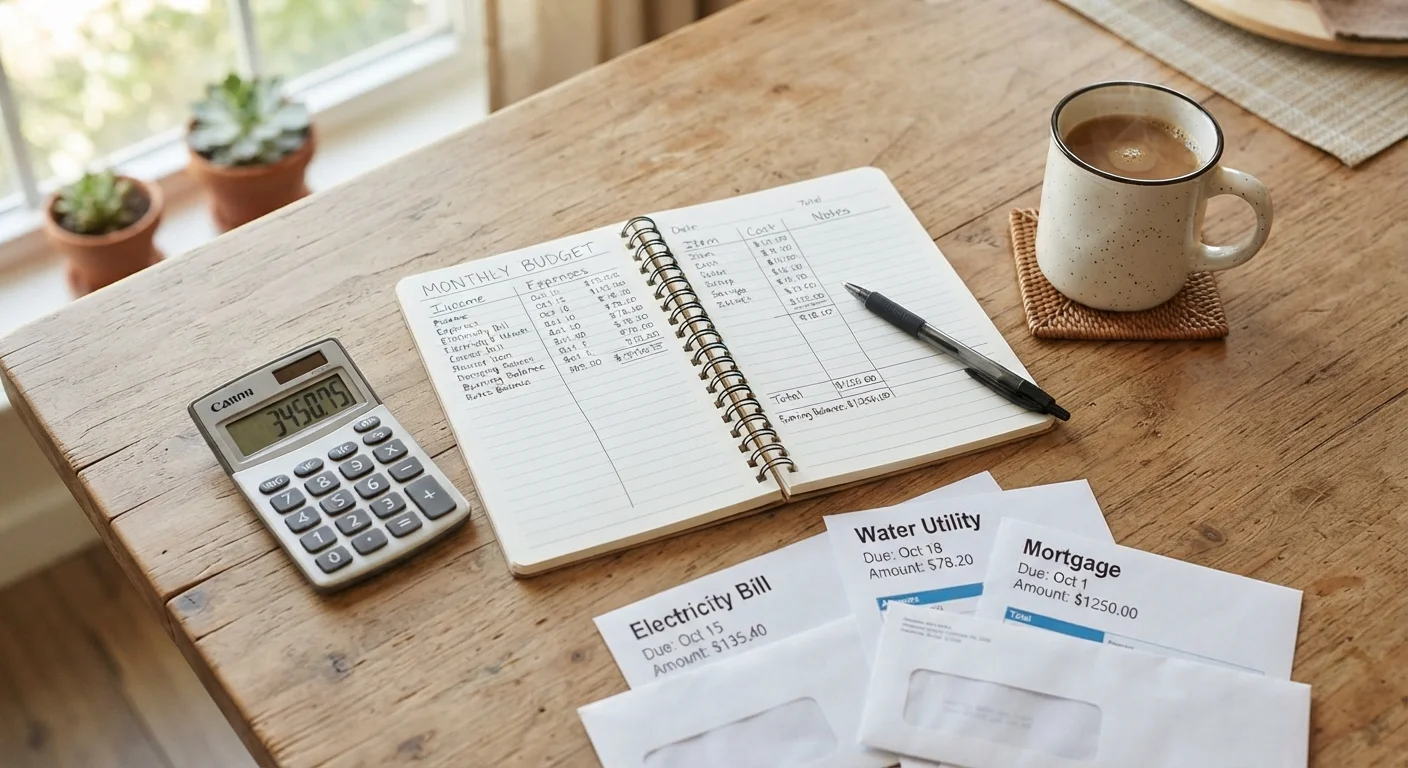
Photo: InsightsChief.com | Your Source Of Trusted Insights editorial
Key Takeaways
- List every income source and every expense before assigning a single dollar.
- Separate fixed expenses from variable ones to identify where flexibility exists.
- Your first budget is a draft - expect to revise it after the first full month.
- A written or tracked budget outperforms a mental one, regardless of income level.
- Irregular expenses like car repairs or medical bills need a dedicated budget line.
Why Most People Skip Budgeting - And Why That's Costly
The most common reason households don't budget isn't laziness - it's that the process feels overwhelming before it begins. Many people assume budgeting requires financial expertise, perfect records, or a stable income. None of those things are true. A working budget can be built in under an hour with the statements already sitting in your email inbox.
What a monthly budget actually does is convert vague anxiety about money into a concrete plan. Instead of wondering whether you can afford something, you know. Instead of being surprised by an overdraft, you see it coming. The budgeting principles that hold across income levels are the same whether a household earns $35,000 or $85,000 a year: track what comes in, track what goes out, and make intentional choices about the difference.
Don't Budget on Gross Income
The steps below walk you through building that plan from zero - no prior budgeting experience required.
What you will need
Gather your tools before you begin:
Bank and credit card statements
Provides an accurate record of past spending to benchmark your budget categories.
Spreadsheet or budgeting app
Organizes income and expense categories so you can track totals and spot gaps.
Calculator
Helps you quickly total category spending and check that income minus expenses balances.
Step-by-Step: Building Your First Monthly Budget
Work through these steps in order. Each one builds directly on the last, so skipping ahead tends to create gaps that cause the budget to fail in the first month.
Add up your total monthly take-home income
Start with money actually deposited into your accounts after taxes and deductions - not gross salary. Include all reliable sources: wages, freelance income, government benefits, child support, or any regular side income. If income varies month to month, use a conservative average based on your three lowest recent months rather than your highest.
List every fixed monthly expense
Fixed expenses are the same amount every month: rent or mortgage, car payment, insurance premiums, loan minimums, and set subscription fees. Pull these directly from your statements so you don't undercount. Write the exact amount and due date for each. These are non-negotiable line items - your budget must cover them before anything else.
Estimate your variable monthly expenses
Variable expenses fluctuate: groceries, gas, dining out, clothing, household supplies, and entertainment. Review at least two months of statements and calculate an average for each category. Resist the urge to guess - actual numbers almost always exceed what people expect. This is also a good moment to audit recurring subscription charges that may have slipped under the radar.
Build a line for irregular and emergency expenses
Car repairs, medical copays, school supplies, and home maintenance don't appear every month, but they will appear. Estimate your annual spending on these irregular costs, divide by 12, and include that amount as a monthly savings line. This is the foundation of a sinking fund strategy - small monthly contributions that prevent one large expense from wrecking an otherwise solid budget.
Assign a savings line before you spend
Savings should appear in your budget as a fixed expense, not as whatever's left over. Even a modest, consistent amount builds financial resilience over time. If you're starting from zero, prioritize a small emergency buffer first. For a broader framework, see building and maintaining a household savings plan.
Compare totals and close the gap
Subtract all expenses and savings contributions from your total income. If the result is zero or positive, your budget balances. If it's negative, you're spending more than you earn. Identify which variable categories have room to reduce, and consider whether any fixed costs can be renegotiated. Zero-based budgeting is one method for ensuring every dollar has a purposeful assignment until the total reaches exactly zero.
Track, review, and adjust after month one
At the end of your first month, compare what you planned to what you actually spent in each category. Most first-time budgeters find two or three categories that were underestimated. Adjust those numbers for month two. A budget isn't a pass/fail test - it's a living document that gets more accurate the longer you use it.
Your First Budget Is Just a Starting Point
Once your budget is running, you may want to explore how it applies to specific goals - like planning for an upcoming trip or managing expenses if you have children in the household. The same monthly framework adapts to both.
This article provides general financial education and is not a substitute for personalized advice from a licensed financial professional.
The content provided on our blog site traverses numerous categories, offering readers valuable and practical information. Readers can use the editorial team’s research and data to gain more insights into their topics of interest. However, they are requested not to treat the articles as conclusive. The website team cannot be held responsible for differences in data or inaccuracies found across other platforms. Please also note that the site might also miss out on various schemes and offers available that the readers may find more beneficial than the ones we cover.