
The First-Time Gardener's Roadmap to a Productive Backyard Plot

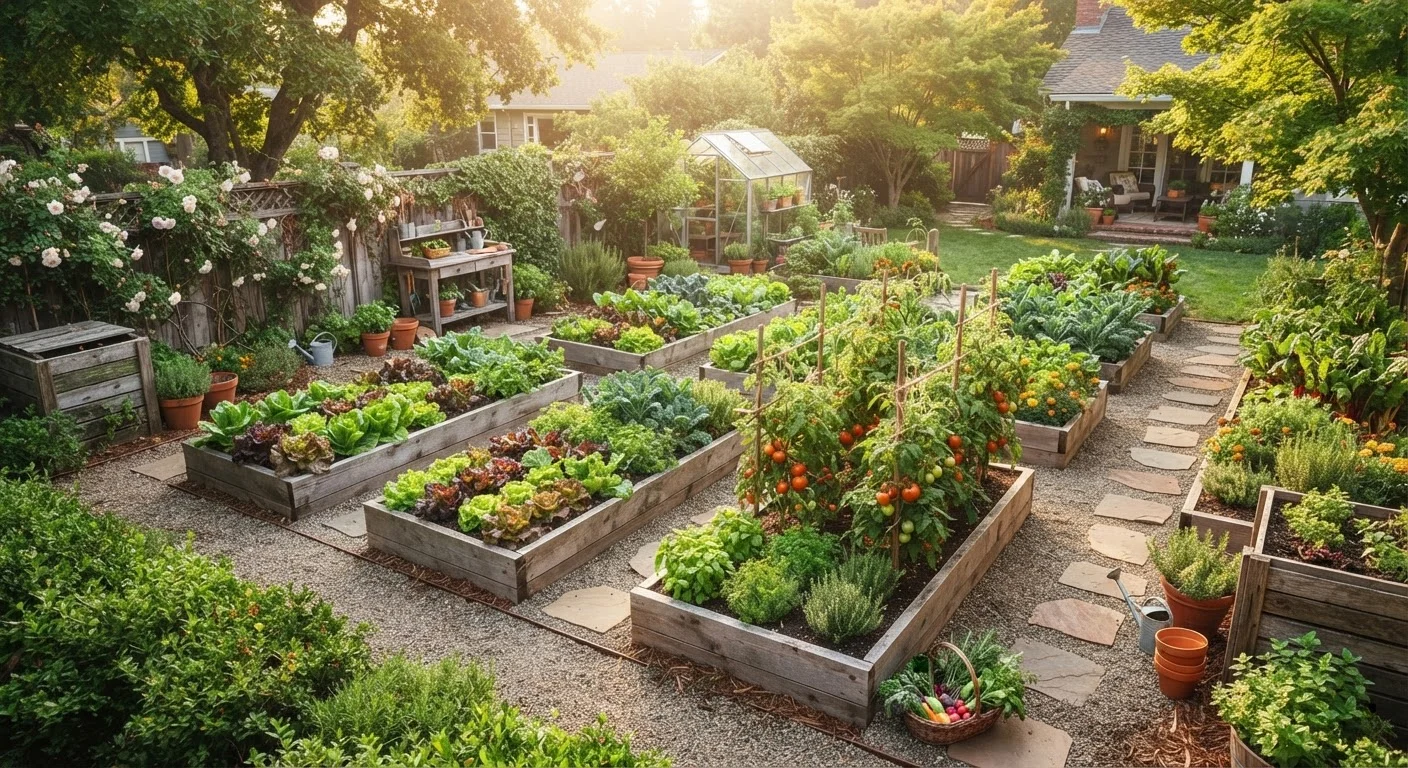
Photo: InsightsChief.com | Your Source Of Trusted Insights editorial
Key Takeaways
- Start with a small, manageable plot - 4×8 feet is enough for a productive first garden.
- Six or more hours of direct sunlight daily is the single most important factor in plant health.
- Healthy, well-amended soil is the foundation of a productive garden and worth investing time in.
- Choose forgiving, fast-rewarding crops like lettuce, radishes, and bush beans for your first season.
- Consistent watering at the root level prevents most common beginner plant problems.
- Composting kitchen and yard scraps is one of the most cost-effective ways to improve soil over time.
Choosing and Preparing Your Garden Space
The first decision every new gardener faces is where to put the plot. Sunlight is non-negotiable: most vegetables require a minimum of six hours of direct sun per day, and eight hours is better. Walk your yard at midday and observe which areas remain sunny longest - that's your candidate space.
Once you've identified a sunny spot, keep the footprint modest. A 4×8-foot raised bed or a similarly sized in-ground plot is a practical starting size. It's productive enough to matter and manageable enough that upkeep won't become a burden. Raised beds offer an added advantage: you fill them with known, quality soil rather than inheriting whatever is already in the ground.
Clear the area of grass and weeds before planting. For in-ground beds, dig down at least eight to ten inches and break up compacted soil. Proximity to a water source also matters - dragging a hose across the yard every day becomes a real barrier to consistent care, so factor in convenience when choosing your spot.
If outdoor space is limited or you're working with a patio, the approach changes. See our container gardening guide for an alternative approach to growing food in small or paved spaces.
Understanding Your Soil
Soil is where most first-time gardeners either set themselves up for success or quietly doom their harvest before a seed goes in the ground. Good garden soil is loose enough for roots to penetrate, holds moisture without becoming waterlogged, and contains the nutrients plants need to grow.
Soil pH
A measure of how acidic or alkaline your soil is, rated on a scale from 0 to 14. Most vegetables grow best in slightly acidic to neutral soil, roughly between 6.0 and 7.0 on this scale.
Organic matter
Decomposed plant or animal material mixed into soil to improve its texture, fertility, and ability to hold moisture. Compost is the most common example used in home gardens.
Amending soil
The process of mixing materials into existing soil to improve its physical or chemical properties before planting. Common amendments include compost, aged manure, and lime.
Direct sow
Planting seeds directly into the ground where they will grow, rather than starting them indoors and transplanting later. Many vegetables, including beans and radishes, prefer to be direct-sown.
Hardiness Zone
A geographic classification system (defined in the US by the USDA) that indicates the average minimum winter temperature in a region, helping gardeners determine which plants are likely to survive and thrive locally.
For in-ground plots, amending existing soil with organic matter - aged compost, for example - improves structure and fertility in nearly every soil type. Clay soils drain poorly and become compacted; adding compost opens up the texture. Sandy soils drain too quickly and struggle to hold nutrients; compost helps retain both moisture and fertility.
A simple soil test, available at most garden centers, tells you your soil's pH level (the scale measuring acidity or alkalinity) and major nutrient levels. Most vegetables prefer a pH between 6.0 and 7.0. Test results often come with guidance on what to add to correct imbalances.
Rather than buying bagged amendments every season, consider starting a compost pile. Our composting guide walks through how to turn kitchen scraps and yard waste into a steady supply of free, nutrient-rich soil amendment.
Picking the Right Plants for Beginners
Choosing plants that match your skill level dramatically increases the likelihood of a rewarding first season. Certain vegetables are well-suited to beginners because they germinate reliably, grow quickly enough to provide feedback, and tolerate the minor inconsistencies that come with learning.
- Radishes - Ready to harvest in as little as three to four weeks, making them ideal for impatient beginners who want quick results.
- Lettuce and salad greens - Grow well in partial shade, mature quickly, and can be harvested repeatedly by taking outer leaves.
- Bush beans - Direct-sow into warm soil, require minimal support, and produce steadily over several weeks.
- Zucchini - Famously productive, though give each plant generous space (at least two to three feet in every direction).
- Cherry tomatoes - More forgiving than large slicing varieties; they tolerate heat well and produce fruit over a long season.
Start with three to five varieties rather than attempting a full kitchen garden in your first season. Crowding plants is one of the most common beginner errors and limits airflow, which contributes to disease. Check the seed packet or plant label for recommended spacing - then follow it.
If your region experiences extended dry spells, drought-tolerant plant options are worth exploring alongside traditional vegetables to reduce irrigation demands.
Watering, Feeding, and Ongoing Care
Consistent watering is the single most impactful habit a new gardener can build. Most vegetables need roughly one inch of water per week. Rather than watering shallowly every day, water deeply two to three times per week to encourage roots to grow downward, where soil moisture is more stable.
Water at the base of plants rather than overhead when possible. Wet foliage, particularly in the evening, creates conditions that favor fungal disease. A soaker hose or drip irrigation setup, even a basic one, makes deep watering straightforward and conserves water compared to overhead sprinklers.
Mulch Saves Time and Water
Feeding your plants supports continued production through the growing season. Compost worked into soil before planting provides a strong foundation. A balanced, slow-release granular fertilizer applied at planting (following package directions) can supplement where soil nutrients are limited. Avoid over-fertilizing with nitrogen - it encourages leafy growth at the expense of fruit and flowers.
Watch plants regularly. Yellowing leaves, wilting despite adequate water, or unusual spots often signal a problem worth investigating early. The habit of routine observation applies to gardens just as much as to the home itself - small issues caught early are nearly always easier and cheaper to address than those left to develop.
Common Beginner Mistakes to Avoid
Most garden failures trace back to a short list of predictable errors. Awareness of these pitfalls before you start significantly improves your odds of a productive first season.
- Overplanting
- More plants in a small space does not mean more food. Crowded plants compete for light, water, and nutrients, and poor airflow between them accelerates disease spread. Follow spacing recommendations on seed packets.
- Inconsistent watering
- Alternating between drought stress and overwatering causes problems like blossom end rot in tomatoes and splitting in root vegetables. Establish a routine and use the finger-test to check soil moisture rather than watering on autopilot.
- Skipping soil preparation
- Planting directly into unamended, compacted soil puts plants at a disadvantage from day one. Even a single season's worth of compost incorporation makes a measurable difference.
- Ignoring pests until damage is severe
- Check the undersides of leaves during your regular garden walk. Catching aphids, caterpillars, or other pests early - before populations explode - keeps management simple and avoids significant crop loss.
- Starting too large
- An ambitious first garden often becomes an abandoned one. A small, well-tended plot reliably outperforms a large, neglected one, and the experience you build in one season makes the next one considerably easier.
This article is for general informational and educational purposes only. Results in your specific garden will vary based on local climate, soil conditions, and other factors. Always verify plant suitability and local planting dates with resources such as your local cooperative extension office.
Frequently Asked Questions
The content provided on our blog site traverses numerous categories, offering readers valuable and practical information. Readers can use the editorial team’s research and data to gain more insights into their topics of interest. However, they are requested not to treat the articles as conclusive. The website team cannot be held responsible for differences in data or inaccuracies found across other platforms. Please also note that the site might also miss out on various schemes and offers available that the readers may find more beneficial than the ones we cover.