
Getting Started With Home Maintenance: A Practical Introduction for New Homeowners

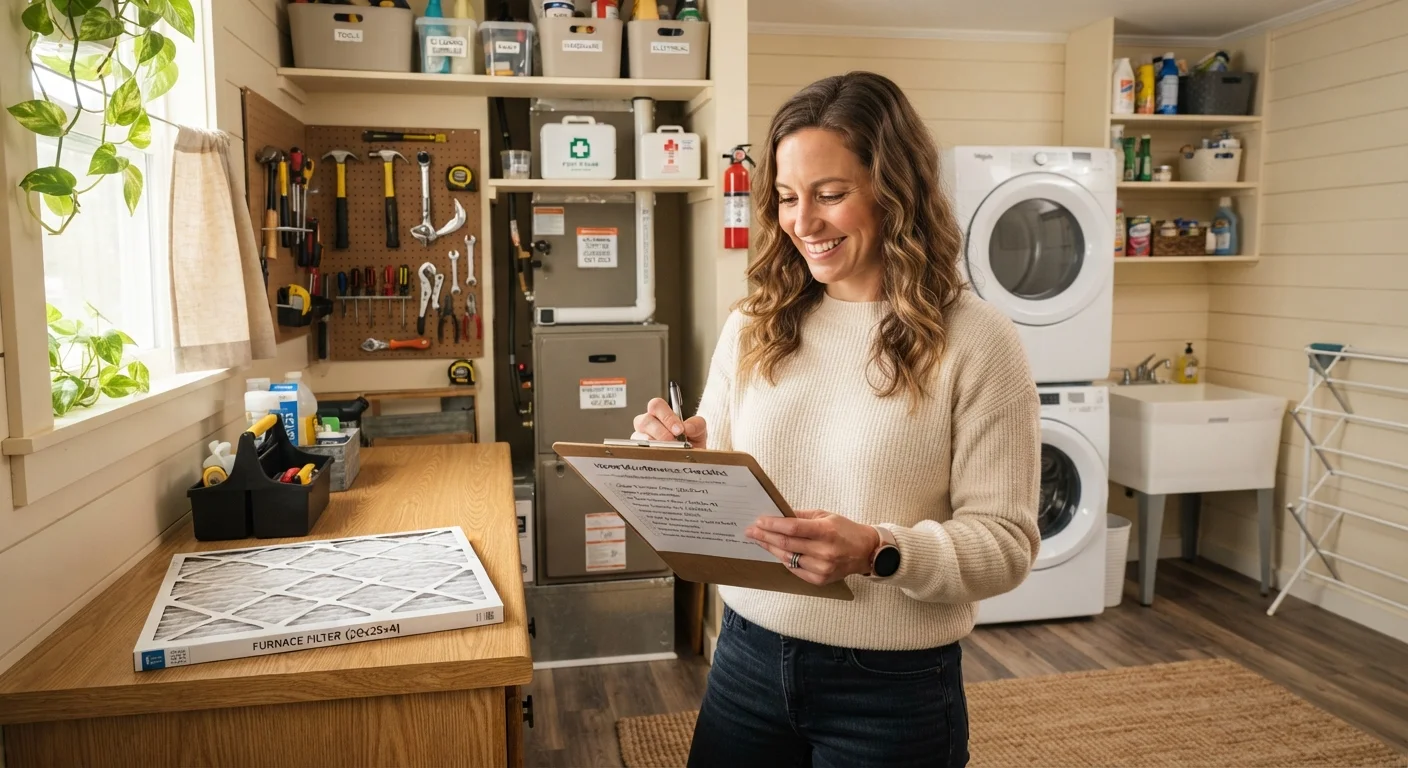
Photo: InsightsChief.com | Your Source Of Trusted Insights editorial
Key Takeaways
- Routine maintenance prevents small issues from becoming costly repairs down the road.
- Understanding your home's core systems - HVAC, plumbing, electrical - is the foundation of good upkeep.
- A seasonal maintenance schedule keeps tasks manageable and nothing falls through the cracks.
- Many basic tasks are DIY-friendly, but electrical, gas, and structural work typically requires licensed professionals.
- A modest toolkit and a written checklist are all most homeowners need to get started.
Why Home Maintenance Matters From Day One
Owning a home shifts you from a tenant who calls the landlord into the person responsible for everything behind the walls. That shift is significant - and it starts the day you get the keys. Small, consistent upkeep habits protect your investment far more effectively than periodic bursts of repair spending.
The financial case is straightforward: routine maintenance is almost always less expensive than emergency repairs. A $15 HVAC filter replaced on schedule costs a fraction of what a neglected system may eventually demand. For a closer look at what happens when upkeep slides, see our article on tasks homeowners frequently put off.
Beyond cost, staying on top of maintenance preserves your home's structural integrity, keeps your family safe, and prevents the kind of compounding damage - water intrusion, mold, pest entry - that starts small and quietly worsens. The earlier you build these habits, the easier they are to sustain.
Never Skip Smoke and CO Detector Checks
The Core Systems Every Homeowner Should Know
Your home is a collection of interconnected systems, and understanding each one at a basic level makes maintenance far less intimidating.
Deferred maintenance
Upkeep tasks that are postponed or skipped, which often leads to more extensive and expensive damage over time.
Main shutoff
A valve or switch that stops the supply of water, gas, or electricity to your entire home - essential to know in an emergency.
HVAC
Stands for Heating, Ventilation, and Air Conditioning - the system that controls your home's temperature and air quality.
Caulk
A flexible sealant applied around windows, doors, tubs, and other joints to prevent water and air from getting through gaps.
Seasonal inspection
A walkthrough of your home's key systems and exterior done each season to catch issues before they worsen.
Load-bearing wall
A wall that supports the structural weight of your home above it - never removed or altered without professional assessment.
- HVAC: Your heating and cooling system relies on clean filters, clear vents, and periodic professional servicing. Replace filters every one to three months depending on filter type and household conditions. Our dedicated guide on HVAC filters, ducts, and vents covers what homeowners are actually responsible for maintaining.
- Plumbing: Know where your main water shutoff is located before a leak ever happens. Check under sinks periodically for drips, and watch for slow drains - they often signal early blockages. Insulate exposed pipes in areas prone to freezing.
- Electrical: Familiarize yourself with your electrical panel and its circuit labels. Test GFCI outlets (those with Test/Reset buttons, typically in kitchens and bathrooms) monthly. Electrical repairs and upgrades beyond replacing a standard outlet or switch should be handled by a licensed electrician.
- Roof and exterior: Water is your home's greatest enemy. Inspect gutters twice a year, check flashing around chimneys and vents, and look for damaged or missing shingles after major storms.
Building a Maintenance Schedule That Actually Works
The most effective maintenance approach is a seasonal one - breaking tasks into manageable groups rather than trying to tackle everything at once. Here's a general framework:
- Monthly: Test smoke and carbon monoxide detectors, check HVAC filter condition, run water in infrequently used fixtures.
- Spring: Inspect the roof and gutters after winter, check exterior caulking and weatherstripping, service air conditioning before warm weather, and look for signs of pest activity.
- Fall: Clean gutters after leaves drop, schedule a furnace inspection, drain and store outdoor hoses, and check attic insulation.
- Annually: Test and clean the dryer vent (a leading cause of house fires when neglected), inspect the water heater for sediment, check grading around the foundation to ensure water drains away from the home.
Start a Home Maintenance Log
If you're also thinking about your outdoor spaces, our first-time gardener's roadmap pairs well with the seasonal thinking you'll develop here.
Knowing When to DIY and When to Call a Pro
One of the most valuable skills a homeowner can develop is knowing which tasks are safe and appropriate to handle personally, and which carry risks that make professional help the smarter choice.
Generally DIY-appropriate tasks include replacing HVAC filters, caulking windows and tubs, patching small drywall holes, cleaning gutters (with proper ladder safety), and testing detectors. These require modest skill and carry low risk when basic instructions are followed.
Tasks that typically require a licensed professional include anything involving your main electrical panel, gas line repairs or appliance connections, structural changes (including anything that may affect a load-bearing wall), and most plumbing work beyond fixture replacement. For a principled framework on this decision, see our guide on DIY vs. hiring a professional, and for project-specific guidance, where DIY ends and a licensed contractor begins is a helpful companion. Always verify whether a project requires a permit before starting.
Permit Requirements Vary Locally
Essential Tools and Supplies to Have on Hand
You don't need a professional-grade toolkit to manage most routine home maintenance. A modest, well-chosen set of tools goes a long way.
- Basic hand tools: A claw hammer, flathead and Phillips screwdrivers (or a multi-bit driver), adjustable wrench, and needle-nose pliers handle the majority of minor repairs.
- Measuring and leveling: A tape measure and a simple bubble level are essential for hanging items and assessing surfaces.
- Ladder: A six-foot fiberglass stepladder is suitable for most interior and low exterior tasks. Never use a ladder on an unstable surface, and always follow manufacturer weight ratings.
- Caulk gun and caulk: Keep a tube of paintable latex caulk and a tube of silicone caulk (for wet areas) on hand for sealing gaps as they appear.
- Flashlight or headlamp: Useful for inspecting crawlspaces, attics, under sinks, and anywhere lighting is poor.
- Spare HVAC filters: Buy a few at once in your correct size so you're never skipping a replacement because you don't have one available.
As your confidence grows, your toolkit can expand to match your home's specific needs and the home improvement projects you take on over time.
Frequently Asked Questions
The content provided on our blog site traverses numerous categories, offering readers valuable and practical information. Readers can use the editorial team’s research and data to gain more insights into their topics of interest. However, they are requested not to treat the articles as conclusive. The website team cannot be held responsible for differences in data or inaccuracies found across other platforms. Please also note that the site might also miss out on various schemes and offers available that the readers may find more beneficial than the ones we cover.