
Where DIY Ends and a Licensed Contractor Begins

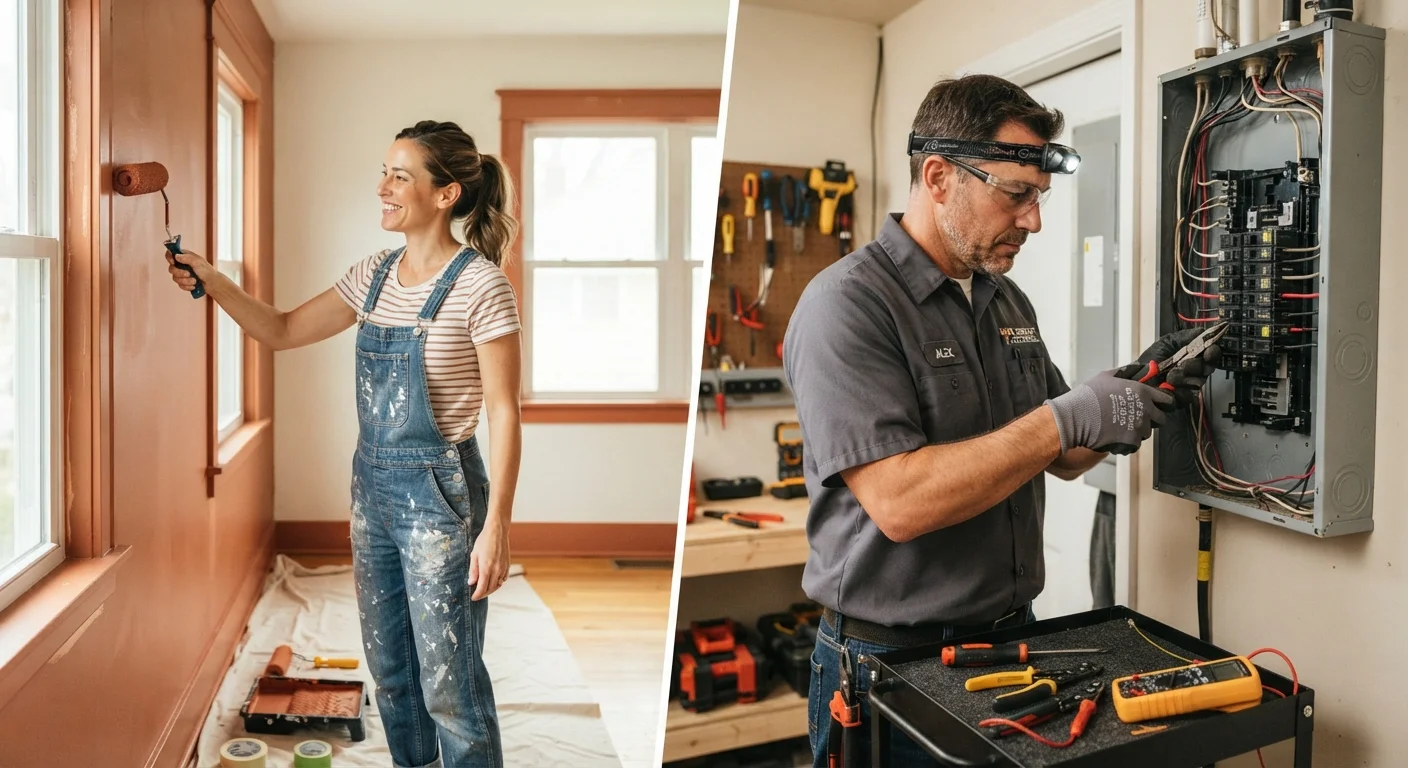
Photo: InsightsChief.com | Your Source Of Trusted Insights editorial
Key Takeaways
- Cosmetic and low-risk tasks like painting, caulking, and basic landscaping are generally safe for DIY.
- Electrical panel work, gas line repairs, and structural changes typically require a licensed professional by law.
- Skipping required permits can result in fines, failed home sales, and insurance complications.
- Licensing requirements vary by state and project type - always verify local rules before starting.
- Doing unpermitted work yourself doesn't save money if it must be torn out and redone to code.
The Core Distinction: Skill vs. Legal Authority
Many homeowners assume the DIY/contractor divide is purely about skill - if you're capable, you can do it yourself. In practice, the line is drawn by two separate factors: safety risk and legal authority. Some tasks require a licensed professional not because they're impossibly difficult, but because local law mandates it, regardless of your competence.
Understanding this distinction protects you from costly mistakes. A homeowner who rewires a bathroom without a permit may do perfectly good work - and still face fines, insurance headaches, or a forced redo when selling the home. See our guide to permits, inspections, and fines for a full breakdown of what's commonly required and what's often misunderstood.
Licensing Varies by State and Trade
What's Generally Safe to DIY
A wide range of home improvement tasks carry low risk and no permit requirement, making them genuinely appropriate for confident, prepared homeowners. These include:
- Painting - interior and exterior, including trim and ceilings
- Basic landscaping - planting, mulching, edging, and lawn care
- Caulking and weatherstripping - sealing drafts around windows and doors
- Flooring installation - laminate, vinyl plank, and tile in most jurisdictions
- Fixture swaps - replacing faucets, showerheads, light fixtures (not new wiring), or cabinet hardware
- Minor drywall patching - filling holes and repainting
These tasks reward preparation and patience. If you're new to home ownership, our practical introduction to home maintenance covers the foundational systems and habits to build on.
Start Small to Build Confidence
Where a Licensed Professional Is Typically Required
Certain categories of work are regulated because mistakes carry serious consequences - fire, flooding, structural failure, or health hazards. The following typically require a licensed contractor in most U.S. jurisdictions:
- Electrical panel upgrades or new circuit installation - panel work is almost universally restricted to licensed electricians
- Gas line installation or repair - leaks can cause explosions or carbon monoxide poisoning
- Structural modifications - removing load-bearing walls or adding additions requires engineering review and licensed oversight
- HVAC installation - many states require HVAC contractors to hold a specific trade license
- Plumbing tied to the main supply or sewer - connections to municipal systems are regulated in most areas
Even where DIY is technically legal, these systems carry enough risk that professional oversight is strongly advisable. Our framework for knowing when to call a pro offers a practical decision process for gray-area situations.
The Gray Zone: Projects That Depend on Your Location
Some projects fall into a genuine middle ground - legal to DIY in some states, restricted in others. Deck construction is a common example: structural decisions, setback requirements, and load calculations vary widely by municipality. Our overview of DIY deck building walks through what's typically involved before you commit to the project.
Basement finishing is another gray-zone project. Framing and drywall may be DIY-friendly, while egress windows, electrical, and waterproofing often are not. The room-by-room basement planning guide explains where these lines typically fall.
When in doubt, call your local building department - it's free, and the information is authoritative. Never rely solely on what a neighbor or online forum says about local codes.
~$4,000
Average cost to fix unpermitted electrical work
Industry estimates suggest homeowners can face thousands of dollars in remediation costs when unlicensed electrical work must be brought up to code before a home sale.
50+
U.S. jurisdictions with unique contractor license rules
Each U.S. state - and many municipalities - maintains its own contractor licensing requirements, meaning there is no single national standard for what work requires a license.
When You Do Hire a Contractor
If a project calls for a licensed professional, how you choose and vet that contractor matters just as much as the decision to hire one. Verify licensing status through your state's official contractor board, confirm they carry both general liability and workers' compensation insurance, and get everything - scope, timeline, payment schedule - in a written contract before work begins.
For a full checklist of what to ask and what to document, see our guide to hiring a contractor. Red flags like requests for large upfront cash payments or pressure to skip permits are worth taking seriously.
This article provides general informational guidance about home improvement tasks and is not a substitute for local building codes, legal advice, or the assessment of a licensed professional. Requirements vary by state and municipality - always verify current rules with your local building department before beginning any project.
Frequently Asked Questions
The content provided on our blog site traverses numerous categories, offering readers valuable and practical information. Readers can use the editorial team’s research and data to gain more insights into their topics of interest. However, they are requested not to treat the articles as conclusive. The website team cannot be held responsible for differences in data or inaccuracies found across other platforms. Please also note that the site might also miss out on various schemes and offers available that the readers may find more beneficial than the ones we cover.