
DIY Home Maintenance vs. Hiring a Professional: Where the Line Should Be

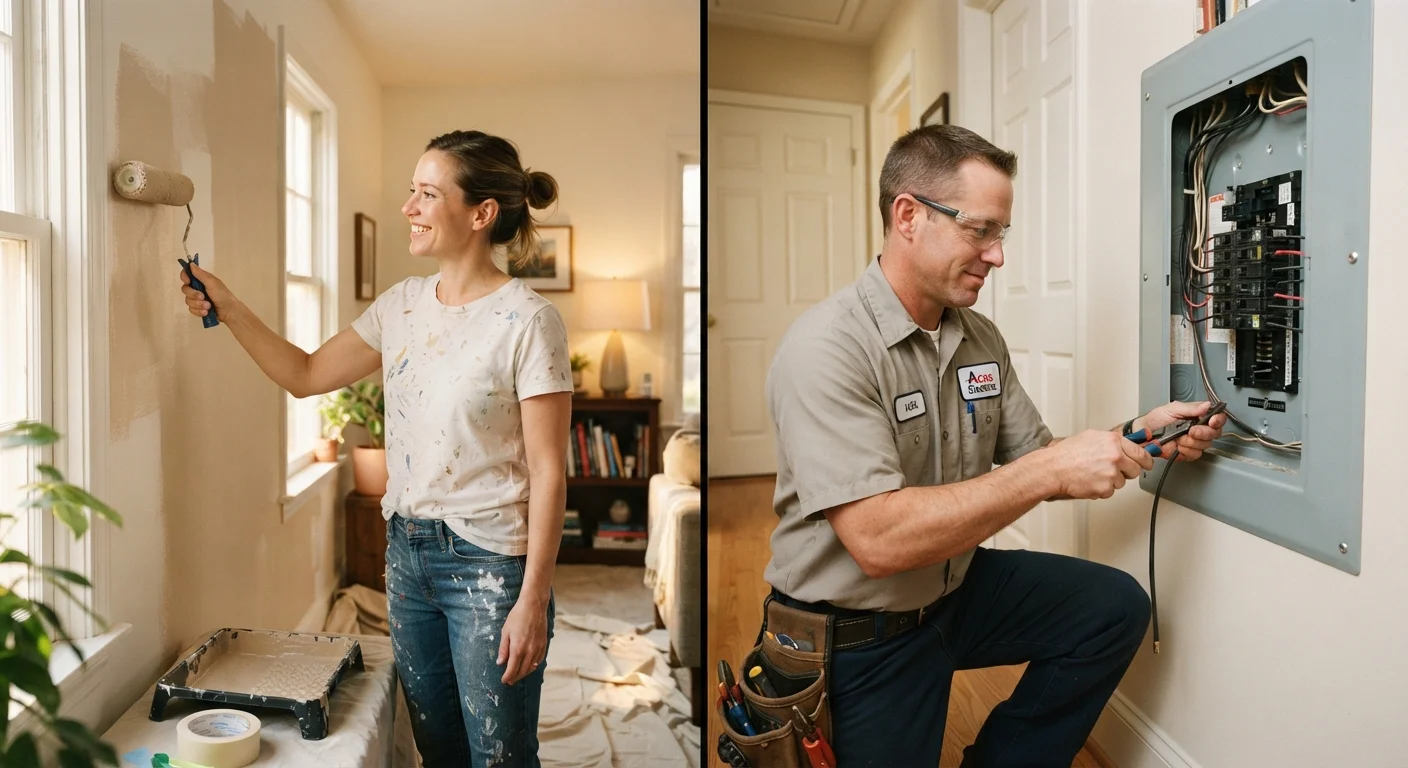
Photo: InsightsChief.com | Your Source Of Trusted Insights editorial
Key Takeaways
- Many routine maintenance tasks - caulking, filter changes, gutter cleaning - are genuinely safe for homeowners to handle.
- Electrical, gas, structural, and major plumbing work typically require licensed professionals and permits.
- The real cost of DIY includes tools, time, and the risk of mistakes that require expensive correction.
- Local codes and permit requirements vary; always verify before starting any regulated work.
- A clear decision framework helps you act confidently rather than defaulting to either extreme.
The Real Question Isn't Cost - It's Risk
Most homeowners frame the DIY-vs.-professional decision purely around money. That's understandable - labor costs for skilled trades can be significant - but cost is only one variable. The more useful question is: what happens if this goes wrong?
A poorly re-caulked bathtub might leak a little and need redoing. Improperly modified wiring, on the other hand, can cause fires, fail inspections, or void your homeowner's insurance policy. These two failure modes are not equivalent, and they call for entirely different thresholds of caution.
For a detailed look at which tasks fall on which side of that line, see our guide to DIY-friendly vs. professional tasks. The framework below gives you the underlying logic so you can apply it to any task you encounter.
| DIY | Hire a Professional | |
|---|---|---|
| Typical cost | Lower (materials + time) | Higher (labor + materials) |
| Skill requirement | Low to moderate for most tasks | High; licensed for regulated work |
| Permit / code risk | Risk if work is regulated | Handled by licensed trade |
| Safety exposure | Acceptable for low-risk tasks | Required for hazardous systems |
| Insurance implications | Potential issues if unpermitted | Typically protected when licensed |
| Quality assurance | Depends on homeowner skill | Backed by license and warranty |
Tasks Homeowners Can Typically Handle Safely
A broad range of routine maintenance falls well within reach for most homeowners - provided you follow instructions carefully and use appropriate safety gear. Common examples include:
- HVAC filter replacement: Changing filters on a regular schedule is straightforward and meaningfully extends equipment life. Our HVAC maintenance guide covers frequency and filter types.
- Gutter cleaning and minor exterior caulking: Seasonal cleaning prevents water intrusion. Use a stable ladder and proper technique.
- Bathroom caulk and grout repair: Surface-level caulking around tubs and sinks is a manageable DIY task. See when to clean, repair, or replace caulk and grout for guidance on reading the signs.
- Painting interior walls: Prep work accounts for most of the quality - and most homeowners can learn it with modest effort.
- Basic landscaping and lawn care: Mowing, edging, mulching, and seasonal planting are all accessible with standard equipment.
Build Skills Gradually on Low-Stakes Tasks
The cost savings from DIY maintenance are real, but they depend on doing the job correctly the first time. Skipped or deferred tasks carry their own costs - often larger ones down the road. Our article on tasks homeowners frequently put off illustrates what deferred maintenance typically costs.
Where Professional Expertise Is Non-Negotiable
Certain categories of work carry risks that outweigh any potential labor savings. These include situations where mistakes could injure occupants, damage the home's structural integrity, or create legal liability:
- Electrical panel work, new circuits, or wiring changes: Most jurisdictions require permits and licensed electricians for this work. Errors can cause fires or electrocution.
- Gas line installation or repair: Even small leaks present serious explosion and carbon monoxide hazards. This is not a task for improvisation.
- Structural modifications: Removing or altering load-bearing walls without engineering review risks catastrophic failure. Always verify load-bearing status before any demolition.
- Roof replacement: Beyond the physical danger of working at height, improper installation can void manufacturer warranties and lead to water damage that is expensive to remediate.
- Major plumbing into mains: Connecting to supply or drain lines typically requires permits and inspection in most US jurisdictions.
Before hiring, it pays to know what to look for. Our guide to hiring a contractor covers licensing, insurance verification, and what to put in any written agreement.
A Practical Decision Framework
When facing any maintenance task, work through these four questions before picking up a tool or calling a contractor:
- Is a permit or licensed trade required by local code? Check with your local building department. Requirements vary significantly by jurisdiction and task type. When in doubt, ask before starting.
- What is the worst realistic outcome of a mistake? Cosmetic problems and structural or safety hazards require very different thresholds.
- Do you have - or can you reasonably acquire - the skills and tools? Factor in the true cost of tools, materials, and your time, not just labor savings.
- Could errors affect insurance coverage or future resale? Unpermitted work can complicate home sales and may reduce or void coverage for related claims.
For new homeowners still building their baseline, our introduction to home maintenance is a useful starting point for understanding which systems deserve the most attention early on. You might also explore the broader home improvement hub for task-specific guidance across common projects.
This article provides general educational information about home maintenance and is not a substitute for advice from a licensed contractor, engineer, or local building authority. Always verify permit requirements and safety standards with qualified professionals before undertaking regulated or hazardous work.
The content provided on our blog site traverses numerous categories, offering readers valuable and practical information. Readers can use the editorial team’s research and data to gain more insights into their topics of interest. However, they are requested not to treat the articles as conclusive. The website team cannot be held responsible for differences in data or inaccuracies found across other platforms. Please also note that the site might also miss out on various schemes and offers available that the readers may find more beneficial than the ones we cover.