
Hiring a Contractor: What to Ask, What to Check, and What to Put in Writing

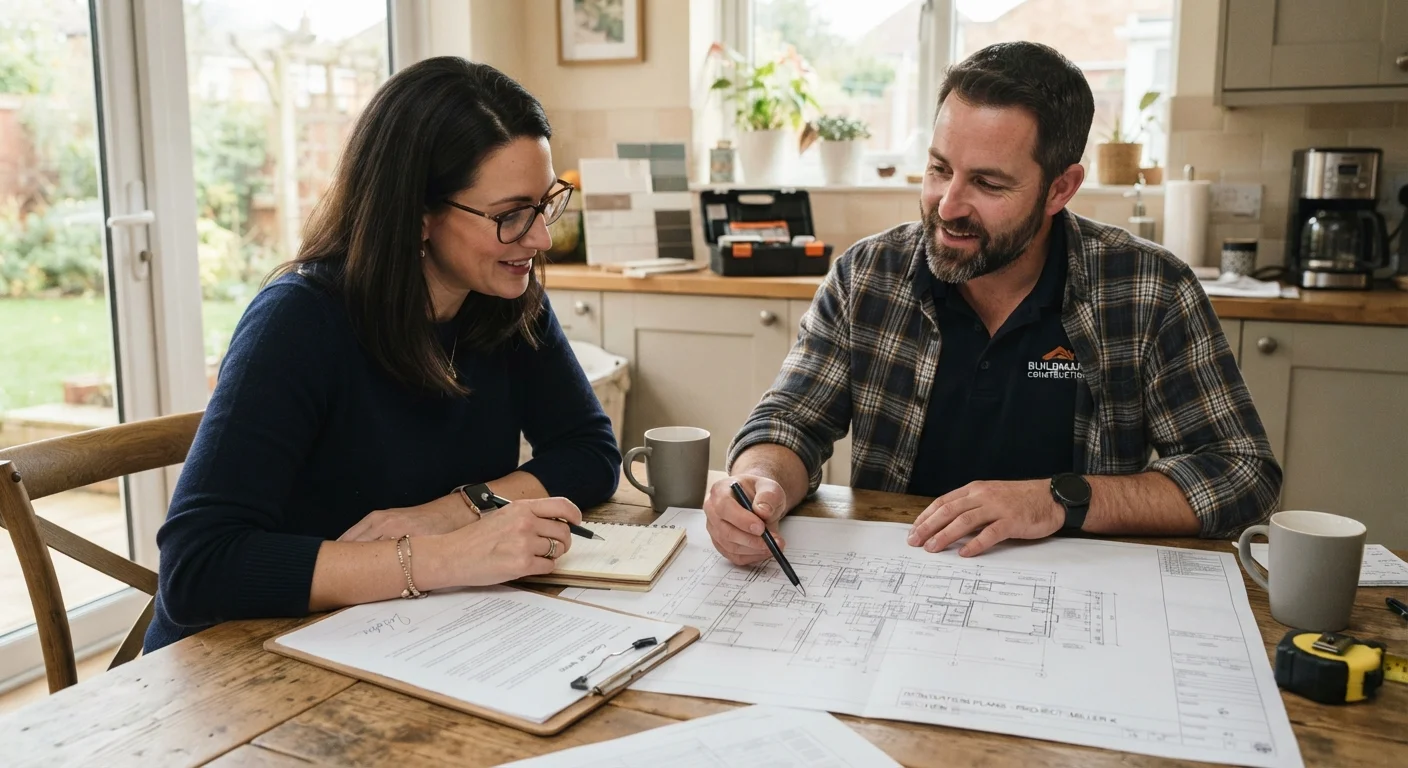
Photo: InsightsChief.com | Your Source Of Trusted Insights editorial
Key Takeaways
- Always verify a contractor's license and insurance before signing anything or paying a deposit.
- A written contract protects both parties - it should cover scope, timeline, materials, and payment schedule.
- Red flags like pressure to pay in full upfront or no physical address are worth taking seriously.
- Pulling required permits is typically the contractor's responsibility, but homeowners should confirm it happens.
- Getting at least three written estimates helps you evaluate scope and pricing more accurately.
Start With Licensing and Insurance
Before you evaluate a single estimate, confirm that any contractor you're considering holds a valid license for the type of work involved and carries both general liability insurance and workers' compensation coverage. Licensing requirements vary by state and trade, so check with your state's contractor licensing board directly - most maintain searchable online databases.
Why does this matter so much? If an unlicensed contractor makes an error that causes structural damage, you may have little legal recourse. And if an uninsured worker is injured on your property, you could face liability for their medical costs. Ask to see certificates of insurance, and consider calling the insurer to confirm the policy is active before work begins.
Not every project requires the same credentials. Electrical, plumbing, and structural work almost always require licensed professionals. For context on where the DIY-to-professional line falls, see our guide on where DIY ends and a licensed contractor begins.
The Right Questions to Ask Before You Hire
An initial conversation with a contractor tells you a lot - if you know what to ask. These aren't trick questions; a qualified professional will answer them without hesitation.
Ask for proof of license and insurance before any other conversation.
Ask for references from projects completed in the last 12 months and actually call them.
Confirm that the contractor - not a subcontractor - will be on-site daily.
Require a written change order for any deviation from the original scope.
Verify permit responsibilities in writing before signing the contract.
Beyond these questions, get at least three written estimates for any significant project. A wide range of estimates often signals misaligned understandings of scope - not necessarily that one contractor is better or worse. Ask each to explain what's included and what isn't.
What Your Written Contract Must Include
A verbal agreement is not a contract. Every project - even a modest one - should be backed by a signed written document before a single tool is picked up. A solid contract should include:
- Detailed scope of work: What exactly will be done, including materials, finishes, and dimensions.
- Payment schedule: Tied to project milestones, not arbitrary dates. A deposit of 10-30% is common; paying in full upfront is a red flag.
- Start and estimated completion dates: With provisions for reasonable delays.
- Permit responsibility: Confirm who pulls and pays for required permits - typically the contractor.
- Change order process: Any deviation from the original scope should be documented and signed before work continues.
- Warranty terms: Both for labor and materials.
- Lien waiver provisions: These protect you from subcontractors filing liens on your property if the general contractor doesn't pay them.
Keep a Project File From Day One
If a contractor is reluctant to put terms in writing, treat that as a serious warning sign.
Spotting Red Flags and Protecting Yourself
Even after doing your homework, some situations warrant extra caution. Common red flags include: demanding full payment before work begins, no verifiable physical business address, pressure to make a quick decision, offering to skip permits to save money, or being unable to provide references from recent comparable projects.
Skipping permits is particularly risky. Unpermitted work can complicate home sales, void homeowner's insurance claims, or require costly removal and redo. Your local building department can confirm what's required for your specific project.
If you're still deciding whether to hire out or tackle a task yourself, our practical breakdown on DIY home maintenance vs. hiring a professional can help clarify the decision. For projects like decks that sit in a gray area, see DIY deck building considerations for what's genuinely involved.
The content provided on our blog site traverses numerous categories, offering readers valuable and practical information. Readers can use the editorial team’s research and data to gain more insights into their topics of interest. However, they are requested not to treat the articles as conclusive. The website team cannot be held responsible for differences in data or inaccuracies found across other platforms. Please also note that the site might also miss out on various schemes and offers available that the readers may find more beneficial than the ones we cover.