
Bathroom Caulking and Grout: When to Clean, When to Repair, When to Replace

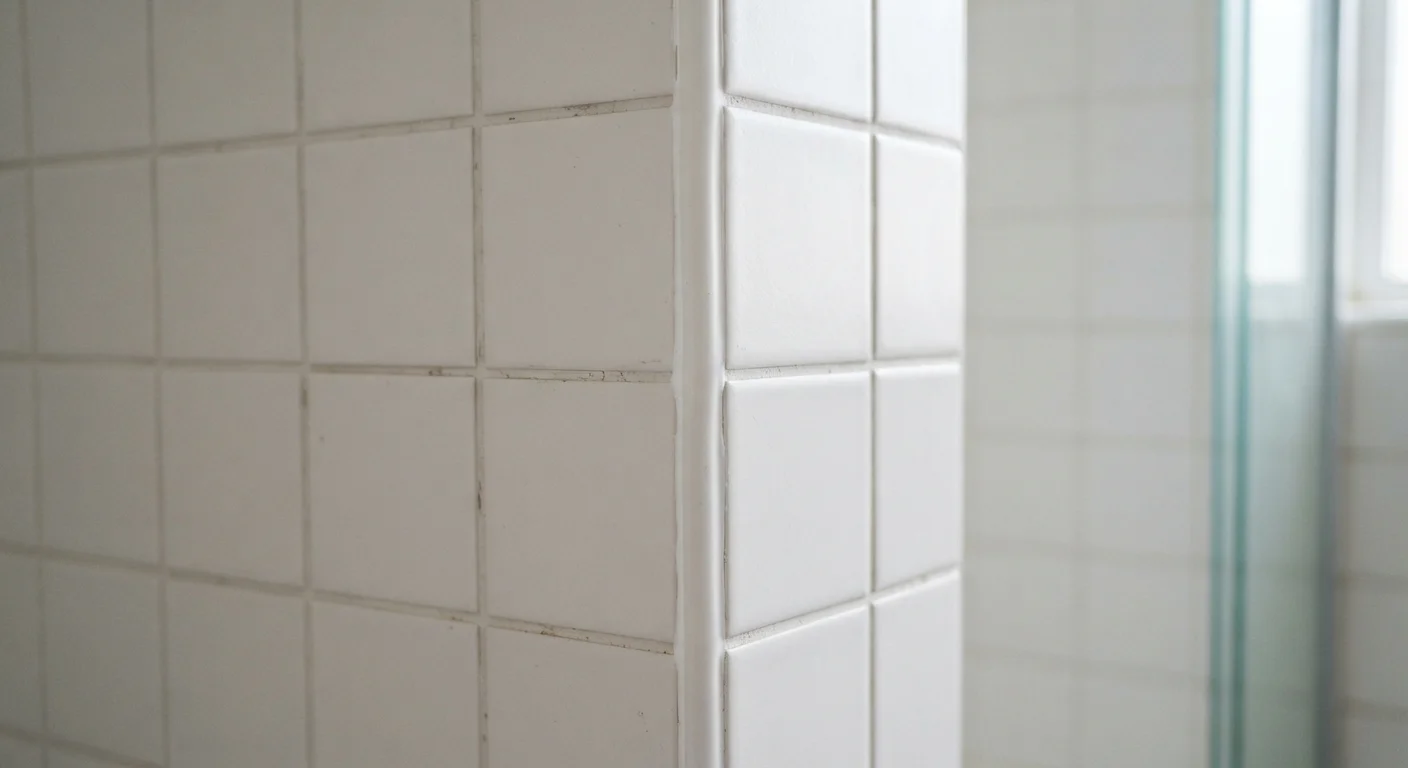
Photo: InsightsChief.com | Your Source Of Trusted Insights editorial
What You're Actually Looking At: Caulk vs. Grout
Many homeowners use the words interchangeably, but caulk and grout serve different purposes - and fail in different ways. Grout is a cement-based filler used between tile edges. It's rigid, porous, and holds tiles in a flat, stable plane. Caulk is a flexible sealant applied at transitions: where tile meets a tub, a shower floor, a wall corner, or any surface that moves or flexes with temperature changes.
That flexibility is the whole point of caulk. A rigid material at a corner joint would crack under normal structural movement. When you see cracking or separation at a tub-tile joint, it almost certainly means the original installer used grout where caulk belonged - a common mistake with real consequences.
Because each material behaves differently, the right intervention depends on correctly identifying which one you're dealing with. This reference covers both, walking you through the three possible responses: clean it, repair it, or replace it entirely.
When Cleaning Is Enough
Surface staining is the most common reason homeowners worry about their caulk and grout - and often the least serious. Before reaching for a putty knife, determine whether the problem is cosmetic or structural.
Signs cleaning will solve it
- Grout appears dark or discolored but is still firm and intact when you press it with a fingernail
- Caulk looks yellowed or gray but has no visible gaps, cracks, or soft spots
- Mold or mildew is limited to the surface - visible but not embedded deep into the material
Effective cleaning approaches
For grout, a stiff-bristled brush with a diluted oxygen bleach solution (following manufacturer directions) lifts surface mold without damaging the grout structure. Avoid wire brushes, which can scratch tile. For caulk, a mildew-removing bathroom cleaner applied and left to dwell for 10-15 minutes is usually sufficient for surface staining.
If thorough cleaning reveals that the underlying material is still solid, intact, and well-adhered, no further action is needed. Adding grout sealer after cleaning can extend time between future cleanings significantly.
When Repair Makes Sense
Partial repair is appropriate when damage is localized - meaning one section of grout is crumbling while the rest is sound, or a short run of caulk has lifted while the remainder holds firm.
Repairable grout conditions
- Isolated areas of crumbling or powdering grout in an otherwise stable field
- A single grout line that has cracked but surrounding lines are solid
To repair grout, use a grout saw or oscillating tool to remove the damaged section to a depth of roughly 1/8 inch, then vacuum the joint clean before applying new grout matched to the existing color. Do not apply new grout over old - it won't bond properly.
Repairable caulk conditions
- A short section of caulk that has separated from one surface but is otherwise adhered
- A pinhole or hairline crack in an otherwise well-bonded bead
Spot-patching caulk is generally not recommended - new caulk bonds poorly to old caulk. If only a small section has failed, remove the full length of that bead and re-apply cleanly. Partial patches tend to lift within months. As a broader principle, delaying even minor repairs in wet areas often leads to far costlier problems later.
Caulk
A flexible, waterproof sealant applied at joints between surfaces that may move or flex, such as where tile meets a bathtub. It prevents water infiltration at transition points.
Grout
A rigid, cement-based filler used to fill the gaps between tiles. It stabilizes the tile field and can be sealed to resist moisture and staining.
Setting bed
The mortar or adhesive layer beneath tiles that bonds them to the substrate wall or floor. Damage here typically requires professional repair.
Grout sealer
A penetrating or surface coating applied to cured grout to reduce porosity. Sealing slows staining, discourages mold growth, and extends the interval between deep cleanings.
Substrate
The structural material behind or beneath the tile, such as cement board or drywall. If moisture reaches the substrate, surface repairs alone will not solve the problem.
When Full Replacement Is the Right Call
Some conditions have moved past the point where cleaning or spot repair is appropriate. Replacing caulk or grout entirely is not difficult, but it requires honesty about what you're seeing.
Replace caulk when you see
- Continuous cracking, peeling, or separation along most of the bead's length
- Soft, spongy, or hollow-feeling sections when pressed
- Black mold embedded behind or beneath the caulk bead - a sign moisture has already penetrated
- Caulk that has been painted over (paint prevents proper adhesion of new material)
Replace grout when you see
- Widespread crumbling, powdering, or missing sections across multiple tiles
- Tiles beginning to shift or feel loose - this indicates the setting bed may also be compromised
- Persistent damp smell or soft drywall behind the tile wall
Loose tiles or a compromised setting bed warrant professional assessment before any surface work. If water has reached the substrate, you may be dealing with structural damage that goes beyond a DIY fix. The DIY vs. professional framework is useful here: surface re-caulking is well within most homeowners' ability; tile removal and substrate repair often is not.
Full caulk replacement is a manageable weekend task. Remove the old bead with a plastic scraper or purpose-made caulk removal tool, clean the joint thoroughly with isopropyl alcohol, allow it to dry completely (at least 24 hours in a ventilated bathroom), and apply new 100% silicone or siliconized latex caulk in a single steady bead. Smooth with a dampened finger and allow to cure per manufacturer directions before exposing to water.
Consider scheduling this inspection as part of a regular routine. The annual home maintenance calendar is a practical reference for timing bathroom checks alongside other seasonal tasks.
The content provided on our blog site traverses numerous categories, offering readers valuable and practical information. Readers can use the editorial team’s research and data to gain more insights into their topics of interest. However, they are requested not to treat the articles as conclusive. The website team cannot be held responsible for differences in data or inaccuracies found across other platforms. Please also note that the site might also miss out on various schemes and offers available that the readers may find more beneficial than the ones we cover.