
Companion Planting: Which Plants Genuinely Help Each Other Grow

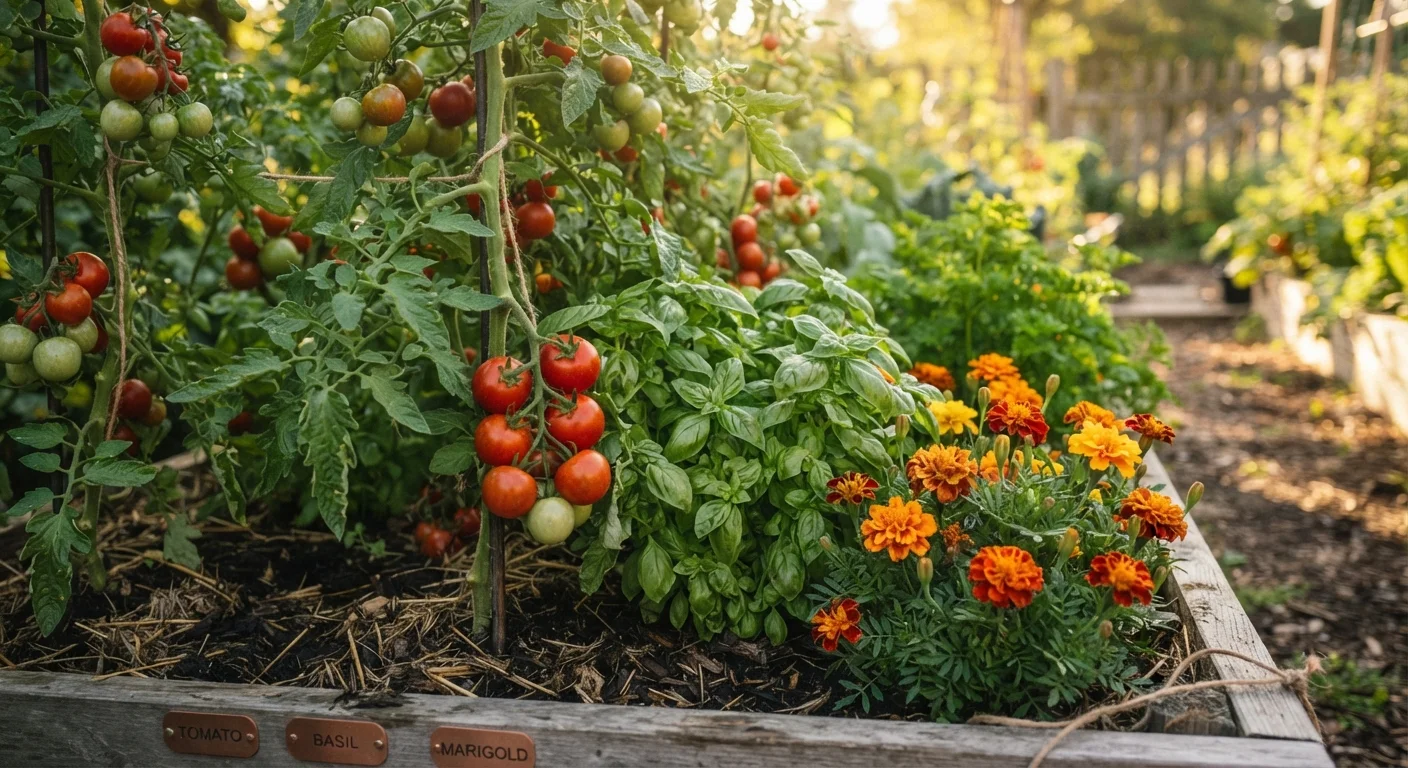
Photo: InsightsChief.com | Your Source Of Trusted Insights editorial
Key Takeaways
- A handful of companion planting combinations have genuine scientific support - others are garden folklore.
- The "Three Sisters" pairing of corn, beans, and squash is one of the most well-documented beneficial combinations.
- Marigolds can reduce certain nematode populations in soil, but results depend on variety and planting density.
- Plants compete for light, water, and nutrients - poor pairings can actively harm growth.
- Companion planting works best as one tool among many, not a standalone growing strategy.
The Science Behind Plant Relationships
Plants interact with each other through the soil, through airborne chemical signals, and by physically modifying their shared environment. These interactions can be positive, negative, or neutral - and companion planting attempts to deliberately engineer more of the positive kind.
The most concrete, research-backed mechanism is nitrogen fixation. Legumes - beans, peas, clover - host bacteria in their root nodules that convert atmospheric nitrogen into a form plants can use. Planted near nitrogen-hungry crops like corn or leafy greens, legumes essentially act as a slow-release fertilizer. This is the foundation of the Three Sisters planting system, developed by Indigenous farmers in North America long before modern agronomy confirmed the chemistry.
A second documented mechanism is pest confusion and repellency. Strongly scented plants like basil, mint, or marigolds can mask the chemical cues that attract certain insects to host plants. Research has shown, for example, that specific marigold varieties (Tagetes species) produce compounds toxic to root-knot nematodes when planted densely. The effect is real but limited - it depends on species, planting density, and the specific pest present.
If you're troubleshooting a garden that isn't performing well, companion planting is one factor to consider among several. Our guide to underperforming vegetable gardens covers the full picture of what typically goes wrong.
~20%
Yield increase in Three Sisters vs. monoculture plots
Research on traditional polyculture systems has documented measurable yield advantages for the Three Sisters combination compared to growing the same crops separately, though results vary by region and conditions.
4-6 weeks
Minimum time for marigold nematode suppression to begin
Studies on Tagetes species indicate that meaningful nematode population reduction in soil typically requires a full growing season of dense marigold cover - not just a few plants at the border.
Pairings With Genuine Support
Not every companion pairing is equal. These are combinations where the mechanism is understood or the observed benefit is consistent enough to be actionable:
- Corn, beans, and squash (Three Sisters): Beans fix nitrogen; corn provides a climbing structure; squash's broad leaves shade the soil, reducing moisture loss and suppressing weeds. Each plant contributes something the others need.
- Tomatoes and basil: Basil's volatile oils may deter thrips and aphids. While the evidence is mixed, the plants share similar water and sun needs, making them practical neighbors regardless.
- Marigolds near vegetable beds: French marigolds (Tagetes patula) have the strongest evidence for nematode suppression - but they need to be planted in sufficient quantity and may take a full season to reduce nematode populations noticeably.
- Carrots and onions: Onion family plants may confuse carrot flies, while carrot roots can loosen soil for shallow onion roots. The benefit is modest, but there's little downside.
- Nasturtiums as trap crops: Nasturtiums attract aphids away from more valuable plants, acting as a sacrificial buffer. This is a well-established technique in integrated pest management.
Start Simple Before Scaling Up
Where the Folklore Outpaces the Facts
Companion planting has a long oral tradition, which means some advice has been repeated for generations without ever being rigorously tested. A few areas to approach with healthy skepticism:
Planting tomatoes near roses to deter aphids is a popular claim with little research support. Chamomile as a universal companion is similarly widespread but vague in its mechanism. If a claimed benefit sounds universal and unqualified - "plant X near anything to make it grow better" - that's usually a sign the advice is more tradition than evidence.
Companion planting also cannot compensate for poor fundamentals. Plants that are nutrient-deficient, waterlogged, or dealing with soil pH problems will struggle regardless of their neighbors. Our article on soil pH and nutrient availability explains why getting the basics right matters more than any pairing strategy.
Perhaps the most overlooked point: plants compete. Two heavy feeders placed too close together won't help each other - they'll both underperform. Always check mature spacing requirements before planting with companion strategies in mind, whether you're working in raised beds or in-ground plots.
Allelopathy: When Plants Suppress Neighbors
Putting It Into Practice
The most effective way to use companion planting is to start with one or two well-supported combinations and observe the results in your specific garden conditions. Growing environments vary - soil type, local pest pressure, and climate all affect how interactions play out.
Keep a simple garden journal tracking which pairings you tried, what you observed, and whether yields or pest pressure seemed affected. Over a few seasons, this builds genuinely useful knowledge tailored to your yard rather than generic advice.
If you're starting from seed or buying transplants, plan your companion layout before planting - it's much easier to space things intentionally from the start than to rearrange established plants. And remember that companion planting is one layer of a productive garden system, not a shortcut around good soil prep, consistent watering, and appropriate sun exposure.
Frequently Asked Questions
The content provided on our blog site traverses numerous categories, offering readers valuable and practical information. Readers can use the editorial team’s research and data to gain more insights into their topics of interest. However, they are requested not to treat the articles as conclusive. The website team cannot be held responsible for differences in data or inaccuracies found across other platforms. Please also note that the site might also miss out on various schemes and offers available that the readers may find more beneficial than the ones we cover.