
Mulch Types and What Each One Does for Your Soil

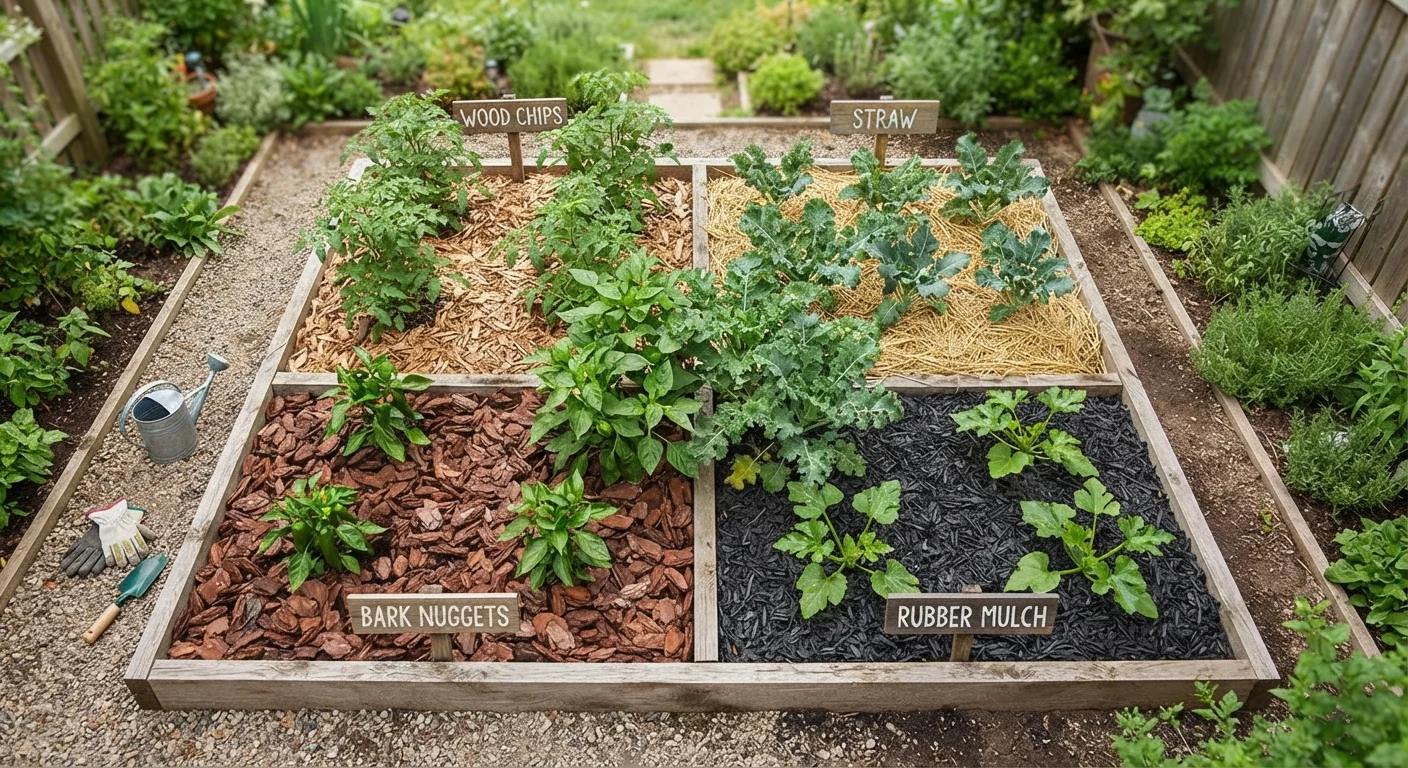
Photo: InsightsChief.com | Your Source Of Trusted Insights editorial
Why Mulch Type Matters
Mulch is one of the most versatile tools in a home gardener's toolkit - but it's not one-size-fits-all. The type you choose affects weed suppression, soil temperature, moisture retention, and whether organic matter is being added to your soil over time. Some mulches break down and feed soil organisms; others are essentially permanent and offer no nutritional benefit whatsoever.
Understanding the differences helps you match the right material to the right job, whether you're mulching vegetable beds, pathways, ornamental shrubs, or tree rings. This reference covers the most widely available mulch types and what each one actually does for - or to - your soil. For a broader look at how soil composition affects plant performance, see our guide to soil pH.
| Recommended depth (organic mulch) | 2-4 inches (University cooperative extension guidelines (general consensus)) |
| Straw mulch lifespan | One growing season |
| Wood chip lifespan | 1-3 years |
| Rubber mulch lifespan | 10+ years (no soil benefit) |
| Bark pH effect | Slightly acidic - benefits acid-loving plants |
| Compost as mulch depth | 1-2 inches (combine with coarser mulch for weed control) |
Organic Mulch Types
Organic mulches decompose over time, gradually adding organic matter to the soil. This breakdown feeds beneficial microbes and earthworms, improves soil structure, and can modestly enhance nutrient availability - though the rate and effect vary considerably by material.
Wood Chips
Coarse wood chips are among the most effective mulches for suppressing weeds and moderating soil temperature. They decompose slowly, lasting one to three years before needing replenishment. When applied 3-4 inches deep around trees and shrubs, wood chips closely mimic the natural leaf litter layer found in forests. Note: avoid piling chips directly against plant stems or tree trunks, which can trap moisture and encourage rot.
Bark Mulch (Shredded or Nugget)
Processed bark from pine, cedar, or hardwood is widely sold in bags. Shredded bark knits together well and resists washing away, making it a practical choice for slopes. Bark nuggets are chunkier and slower to break down but can shift in heavy rain. Both provide decent weed suppression and are slightly acidic, which can benefit acid-loving plants like azaleas and blueberries.
Straw
Straw (not hay, which contains seeds) is a go-to for vegetable gardens. It's light, easy to spread, allows good water infiltration, and decomposes within a single growing season, adding organic matter by fall. It offers less weed suppression than wood-based mulches but excels at protecting bare soil during germination. It's also one of the more affordable options available in bulk.
Compost
A 1-2 inch layer of finished compost functions as both mulch and soil amendment. It enriches soil with nutrients and microbial life as it breaks down but suppresses weeds less effectively than thicker organic mulches. Pairing compost with a coarser mulch on top is a strategy many gardeners use. Learn more about making your own in our home composting guide.
Organic mulch
Any mulch material derived from plant or animal matter that decomposes over time, gradually adding organic content to the soil beneath it.
Inorganic mulch
Mulch materials such as gravel, rubber, or landscape fabric that do not break down or contribute organic matter to soil.
Soil amendment
Any material added to soil to improve its physical or chemical properties, such as compost, which improves structure and nutrient content.
Weed suppression
The ability of a mulch layer to block sunlight from reaching weed seeds, reducing germination and growth without chemical intervention.
Decomposition rate
How quickly a mulch material breaks down. Faster-decomposing mulches add organic matter sooner but need replenishing more often.
Grass Clippings and Shredded Leaves
Both are free byproducts of routine yard maintenance. Grass clippings break down rapidly and release nitrogen, though they can mat and restrict airflow if applied too thickly. Shredded leaves are excellent for vegetable beds and woodland gardens. Whole, unshredded leaves may mat and repel water - run them through a mower first.
Inorganic Mulch Types
Inorganic mulches do not decompose or feed the soil. Their value lies in durability, low maintenance, and specific functional applications.
Rubber Mulch
Made from recycled tires, rubber mulch is long-lasting (often marketed for 10+ years) and doesn't attract insects or fungi. However, it adds nothing to soil health, can heat up significantly in direct sun, and is difficult to remove once in place. Some research has raised questions about leaching of compounds from recycled rubber into soil, though findings are mixed. It is generally considered more appropriate for playgrounds and high-traffic paths than for food gardens or planted beds.
Gravel and River Rock
Stone mulches work well in arid landscapes, succulent gardens, and around drought-tolerant perennials. They allow excellent drainage, don't decompose, and require almost no upkeep. The trade-off is that they can dramatically raise soil surface temperatures in summer and provide no organic benefit. Weeds that root through gravel can be difficult to pull.
Landscape Fabric
Fabric is often used beneath other mulches to block weeds. It's semi-permeable but can degrade over time, become entangled with plant roots, and impede the soil-building benefits of organic mulches layered above it. Its usefulness is most established in pathway and hardscape applications rather than planted beds. For a broader look at natural weed management, see our natural weed control guide.
Choosing the Right Mulch for Your Garden
There's no single correct answer - the right mulch depends on what you're growing, your climate, and your goals. Vegetable beds benefit most from organic mulches like straw or compost that actively improve soil. Ornamental beds and trees do well with wood chips or shredded bark. Pathways and play areas are where inorganic options make the most practical sense.
Depth matters just as much as type. Most organic mulches work best at 2-4 inches deep - thin enough to allow water through, thick enough to suppress weeds. Reapply annually or as the material breaks down. If you're managing a lawn alongside garden beds, our seasonal lawn care guide covers how mulching fits into a broader yard maintenance routine.
The content provided on our blog site traverses numerous categories, offering readers valuable and practical information. Readers can use the editorial team’s research and data to gain more insights into their topics of interest. However, they are requested not to treat the articles as conclusive. The website team cannot be held responsible for differences in data or inaccuracies found across other platforms. Please also note that the site might also miss out on various schemes and offers available that the readers may find more beneficial than the ones we cover.