
Lawn Care Through the Seasons: What Your Grass Actually Needs Year-Round

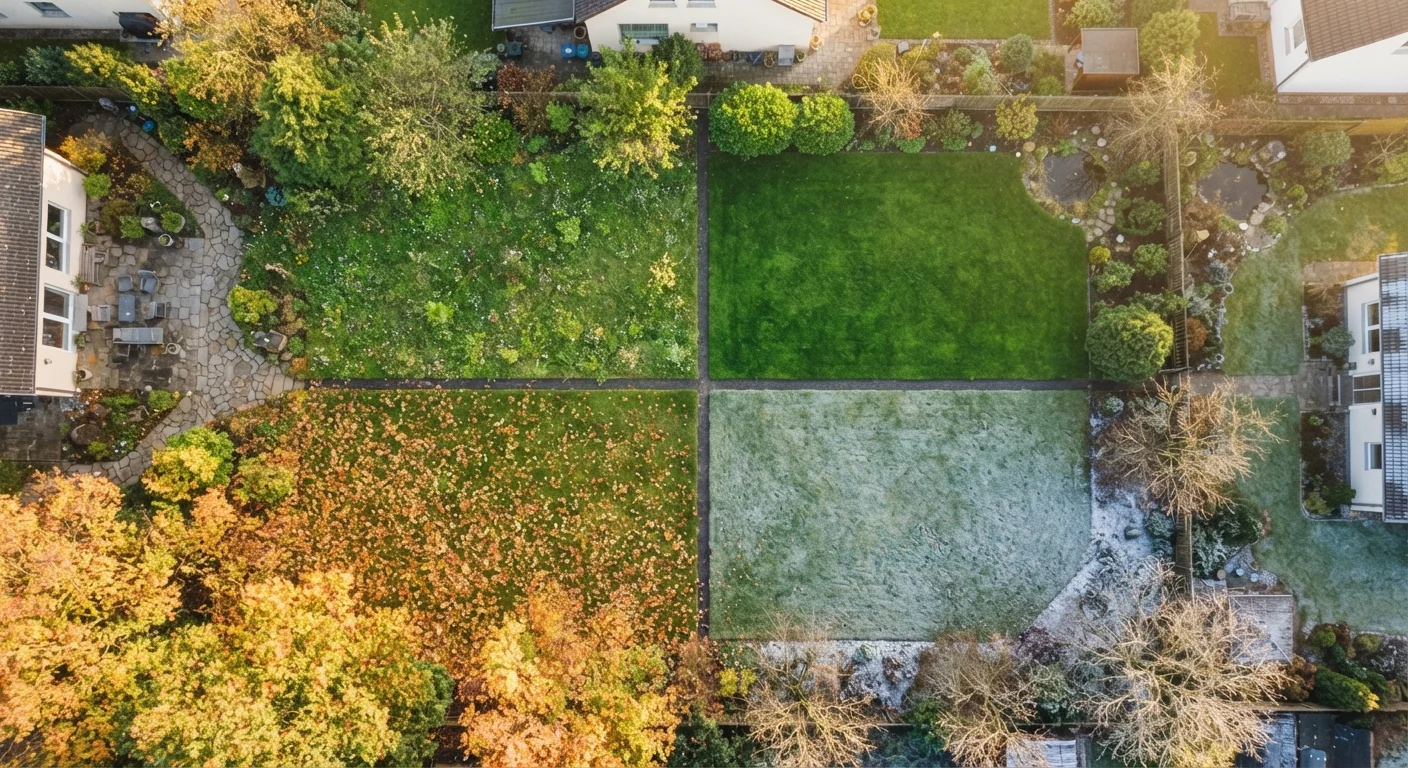
Photo: InsightsChief.com | Your Source Of Trusted Insights editorial
Key Takeaways
- Grass has distinct seasonal needs - matching care to the season prevents most common lawn problems.
- Spring is the best time for reseeding bare patches and testing soil pH.
- Summer lawn stress is usually water- and heat-related, not a disease or pest issue.
- Fall fertilization is the single highest-impact task most homeowners skip.
- Winter dormancy doesn't mean neglect - preparation in fall determines spring results.
- Consistent mowing height, not frequency, is the easiest way to improve long-term lawn health.
Why Seasonal Lawn Care Actually Matters
Most lawn problems - thin turf, patchy growth, persistent weeds - stem from applying the right task at the wrong time. Grass is a living system that cycles through active growth, stress, dormancy, and recovery, and its needs shift dramatically across the calendar year.
Treating lawn care as a single annual event (usually a spring fertilizer dump and summer watering) leaves grass underprepared for the conditions ahead. A seasonal approach, by contrast, works with your turf's biology rather than against it - reducing inputs, lowering costs, and producing more consistent results. This guide pairs with our broader annual home maintenance calendar to help you schedule tasks alongside other property upkeep.
~40%
Of US household water use goes to landscaping
According to the U.S. Environmental Protection Agency, a significant share of residential outdoor water is applied inefficiently - much of it to lawns.
1 inch
Ideal weekly water depth for most lawns
University cooperative extension programs broadly recommend one inch of water per week, including rainfall, as a general guideline for established turf.
3-4 inches
Recommended mowing height for cool-season grasses
Turfgrass specialists at land-grant universities consistently recommend maintaining higher cut heights during summer to reduce heat and drought stress.
Spring: Wake Up and Repair
Once soil temperatures consistently reach around 50°F, cool-season grasses begin active growth and warm-season grasses start breaking dormancy. This window - typically March through May depending on your region - is your most important repair opportunity.
Priority tasks:
- Soil test first. A basic pH and nutrient test (available through most county cooperative extension offices) tells you exactly what your lawn lacks before you spend money on amendments.
- Rake and dethatch. Remove matted dead grass that blocks light, water, and air from reaching soil. A dethatching rake works for light buildup; a power dethatcher suits thicker layers.
- Overseed bare or thin areas. Match seed type to your existing turf. Before seeding, check out our spring garden readiness checklist for soil prep tips that apply equally to lawn and garden beds.
- Apply a starter fertilizer only if your soil test indicates nitrogen deficiency. Over-fertilizing in spring pushes leaf growth at the expense of root development.
Do your spring overseeding before soil temperatures exceed 65°F. Once the ground warms beyond that threshold, germination rates drop sharply and weed competition intensifies.
When in doubt about fertilizer timing, skip the application rather than guessing. Fertilizing stressed or dormant grass wastes product and can cause lasting damage.
Hold off on pre-emergent herbicide if you're overseeding - it will prevent grass seed germination alongside weed seeds.
Summer: Protect and Conserve
Summer is a survival season for most lawns, not a growth season. Heat, drought stress, and heavy foot traffic combine to weaken turf. The goal is to minimize damage, not maximize growth.
What actually helps in summer:
- Raise your mowing height. Taller grass (generally 3-4 inches for cool-season types) shades soil, reduces moisture evaporation, and discourages weed germination. Never remove more than one-third of the blade in a single cut.
- Water deeply and infrequently. One inch of water per week - applied in one or two sessions rather than daily - encourages deeper root growth. Early morning watering reduces evaporation and fungal risk.
- Skip summer fertilization for cool-season grasses. Feeding fescue or bluegrass during heat stress can cause chemical burn and disease. Warm-season grasses like bermuda or zoysia can accept a light mid-summer feeding.
If your region faces prolonged dry spells, consider the principles covered in our drought-tolerant planting guide - some of those water-conservation strategies apply directly to lawn management.
Fall: Feed, Seed, and Fortify
Fall is the most underutilized season in home lawn care - and for cool-season grasses, it's the most important. As temperatures drop and soil moisture returns, grass shifts energy from top growth to root development, making it highly receptive to fertilization and overseeding.
Fall Is the Best Time to Fertilize Cool-Season Lawns
Fall action plan:
- Fertilize with a balanced or high-potassium formula in late September through October. Potassium strengthens cell walls and improves cold tolerance. See our fertilization timing guide for application rates and common mistakes to avoid.
- Overseed cool-season lawns. Soil temperatures in the 50-65°F range are ideal for germination, and reduced weed competition gives new seedlings a better chance.
- Continue mowing until growth stops. Leaving grass too long heading into winter encourages snow mold; cutting too short removes insulating leaf tissue. Aim for about 2.5 inches as you approach the final cut.
- Aerate compacted soil. Core aeration in fall allows water, oxygen, and fertilizer to penetrate rather than run off.
Winter: Rest, Protect, and Plan
Dormant grass still requires thoughtful stewardship. In most US climates, cool-season grasses slow dramatically or go fully dormant once soil temperatures drop below 40°F; warm-season grasses turn brown and remain dormant until spring warmth returns.
Winter lawn care essentials:
- Minimize traffic on dormant grass. Frozen or brittle turf is easily damaged by foot traffic, and bare patches created in winter persist into spring.
- Avoid de-icing salts near lawn edges. Sodium-based ice melts cause soil compaction and can kill grass roots along driveways and walkways. Alternatives like sand or calcium chloride are less damaging.
- Clean and service equipment. Sharpen mower blades, change oil, and store equipment properly. This mirrors the off-season preparation logic in our seasonal vehicle prep checklist - maintenance done during downtime is maintenance that doesn't delay you in spring.
- Review and plan. Use winter to order seed, schedule soil tests, and map out any landscape changes before the ground thaws.
Year-Round Habits That Pay Off
Beyond seasonal tasks, a handful of consistent practices separate genuinely healthy lawns from ones that look good only in photos.
- Keep mower blades sharp. Dull blades tear grass rather than cut it, creating jagged tips that brown, invite disease, and stress the plant.
- Leave clippings on the lawn. Grass clippings decompose quickly and return nitrogen to the soil - effectively a free, light fertilizer application after every mow.
- Track what you apply and when. A simple lawn log prevents over-application and helps you identify what's working from year to year.
- Integrate lawn care into your broader property schedule. Tasks like gutter cleaning, exterior inspection, and garden prep share seasonal timing. Our fall and spring home maintenance checklists can help you batch these tasks efficiently.
A well-maintained lawn doesn't require a large budget - it requires the right action at the right time. Understanding what your grass actually needs in each season is the foundation everything else builds on.
The content provided on our blog site traverses numerous categories, offering readers valuable and practical information. Readers can use the editorial team’s research and data to gain more insights into their topics of interest. However, they are requested not to treat the articles as conclusive. The website team cannot be held responsible for differences in data or inaccuracies found across other platforms. Please also note that the site might also miss out on various schemes and offers available that the readers may find more beneficial than the ones we cover.