
Your First Rewards Program: A No-Jargon Starting Point for New Savers

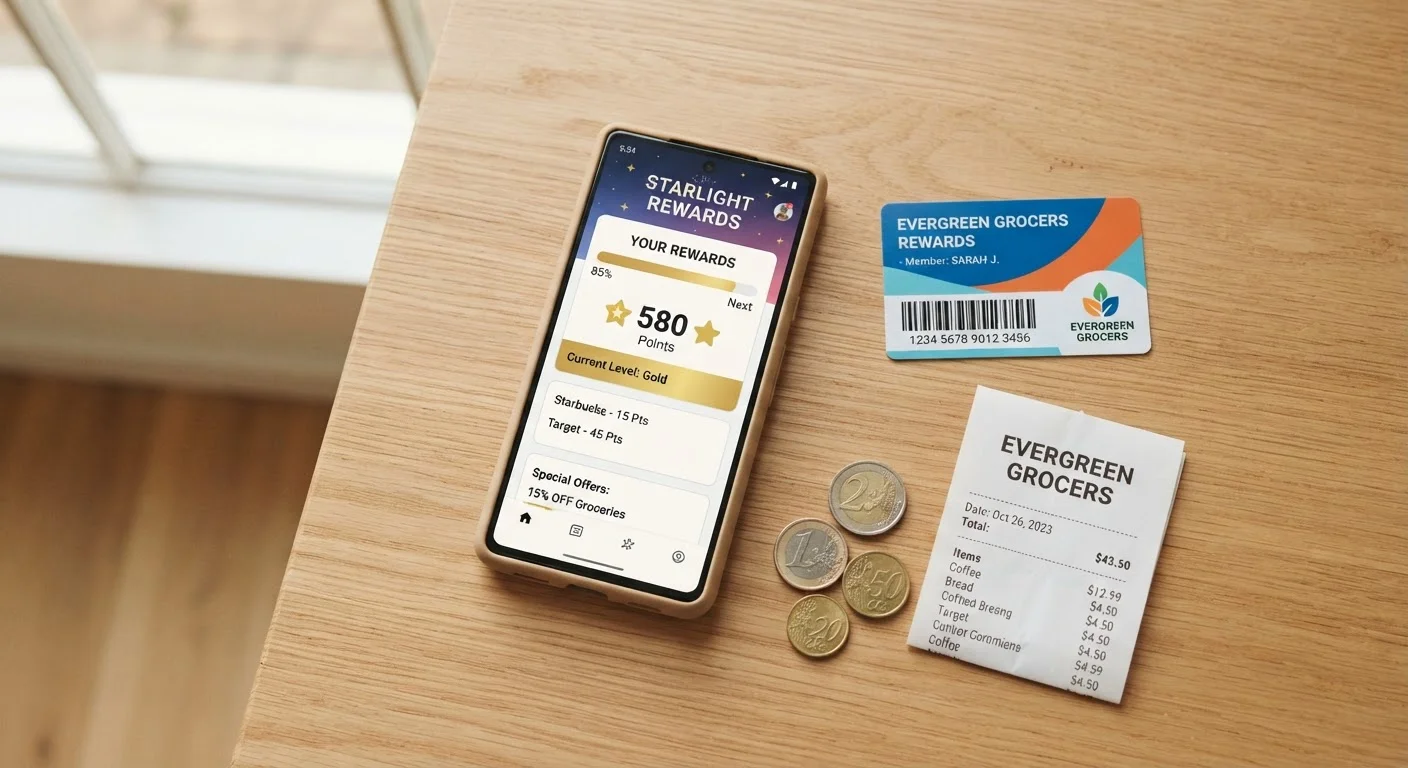
Photo: InsightsChief.com | Your Source Of Trusted Insights editorial
Key Takeaways
- Rewards programs come in three main forms: store loyalty programs, cashback apps, and reward credit cards.
- You don't need a credit card to start earning - receipt-scanning apps and store loyalty accounts cost nothing to join.
- Expiration dates and minimum redemption thresholds are the most common ways beginners leave money on the table.
- Starting with one program and learning it fully is more effective than juggling several at once.
- Rewards should fit your existing spending habits - not change them - to avoid overspending for the sake of points.
What Rewards Programs Actually Are
A rewards program is an arrangement where a retailer, bank, or app gives you something back - cash, points, or other credits - in exchange for purchases you were already going to make. The core idea is simple: businesses use these programs to encourage repeat customers, and shoppers capture a portion of that value.
The key phrase is purchases you were already going to make. Rewards are most useful when they fit your existing habits. When a program causes you to spend more than you planned just to earn a reward, the math often doesn't work in your favor.
Cashback
A percentage of what you spent returned to you as money - not as points or credits - usually after a purchase is confirmed. It may arrive as a bank deposit, check, or account credit.
Points
A unit of reward currency issued by a retailer or credit card program. Points accumulate with purchases and can typically be redeemed for discounts, merchandise, or sometimes cash, depending on the program's rules.
Redemption threshold
The minimum balance of points or cashback you must accumulate before a program lets you use or withdraw your rewards.
Loyalty program
A free account offered by a specific store or chain that tracks your purchases and rewards you with discounts, points, or other perks for shopping there regularly.
Receipt-scanning app
A smartphone app that earns you cashback or points when you photograph your store receipts. It works across many retailers and doesn't require a credit card.
Annual fee
A yearly charge some reward credit cards impose simply for holding the card. This cost must be weighed against the rewards you realistically expect to earn.
For a broader look at how the entire rewards ecosystem fits together, see The Complete Picture on Cashback and Rewards.
The Three Main Types You'll Encounter
Understanding the landscape before you sign up prevents frustration later. Here are the three categories most beginners run into:
- Store loyalty programs: Free accounts tied to a specific retailer - a grocery chain, pharmacy, or big-box store. You earn points or discounts on purchases at that store only. These are typically the easiest starting point because there's no financial product involved.
- Cashback apps: Third-party apps that give you a percentage of your purchase back after you shop, scan a receipt, or link your card. Some focus on groceries; others cover a wide range of categories. They work across multiple retailers, making them flexible.
- Reward credit cards: Cards that earn points, miles, or cashback on eligible purchases. These offer potentially higher returns per dollar but introduce a financial product with its own fees, interest rates, and terms. They require responsible use to benefit from - carrying a balance typically erases any reward value.
To understand how cashback, points, and miles differ in practical terms, Cashback, Points, or Miles breaks down the distinctions clearly. And if you're not sure whether a loyalty program or a cashback app suits you better, Loyalty Programs vs. Cashback Apps explains how they differ.
What to Watch Out For as a Beginner
Most programs are straightforward, but a few mechanics catch new participants off guard:
Don't spread yourself too thin, too soon
- Minimum redemption thresholds: Many programs require you to accumulate a certain balance before you can cash out - sometimes $10 or $20 minimum. If you spread activity across too many programs, you may never reach the threshold in any of them.
- Expiration policies: Points and cashback balances can expire. Some programs reset your balance after 12 months of inactivity. Read the terms when you join and check in regularly.
- Annual fees on reward cards: A card that charges $95 per year needs to generate more than $95 in useful rewards for you to come out ahead. Calculate this realistically based on how you actually spend, not how you hope to spend.
- Misleading reward valuations: Points are not always worth the same amount, and programs sometimes advertise headline figures that apply only in narrow redemption categories. common reward myths are worth reading about before you invest time in a program.
How to Pick Your Starting Point
The most practical first step is to look at where you already spend money. If most of your grocery budget goes to one supermarket chain, that store's loyalty program is the natural starting point - it costs nothing and immediately reduces or rewards your existing spend.
If your shopping is spread across many retailers, a cashback app that works across categories may offer more consistent value. If you pay your full credit card balance each month without exception and want higher per-dollar returns, a reward card could be worth exploring - but only after you've read the full terms.
Match the program to your actual habits
If you prefer to avoid credit products entirely, there are solid alternatives. Earning Rewards Without a Credit Card covers debit-linked programs and receipt apps that work well for cash-only shoppers.
Building Habits That Actually Stick
The biggest reason new savers drop rewards programs isn't complexity - it's friction. If checking in takes too much time or the rewards feel abstract, the habit fades quickly. A few practices help:
- Start with one program only. Get comfortable with how it tracks, accumulates, and pays out before adding anything else.
- Link it to a routine you already have. Scanning a receipt after grocery shopping is easy when it's attached to something you do weekly anyway.
- Set a quarterly check-in. Review your balance, confirm nothing has expired, and decide whether the program is still delivering value for your spending patterns.
- Never spend to earn. If you're buying something you wouldn't otherwise buy because of the reward, the math rarely works in your favor.
If you want to extend these habits beyond rewards programs, Your First Month of Couponing outlines a beginner-friendly approach to combining coupons with the saving strategies you're building here.
This article is for general informational purposes only and does not constitute financial advice. Individual results from rewards programs vary based on personal spending habits, program terms, and how rewards are redeemed. Consult a qualified financial professional for advice tailored to your circumstances.
Frequently Asked Questions
The content provided on our blog site traverses numerous categories, offering readers valuable and practical information. Readers can use the editorial team’s research and data to gain more insights into their topics of interest. However, they are requested not to treat the articles as conclusive. The website team cannot be held responsible for differences in data or inaccuracies found across other platforms. Please also note that the site might also miss out on various schemes and offers available that the readers may find more beneficial than the ones we cover.