
The Complete Picture on Cashback and Rewards: How Every Piece Fits Together

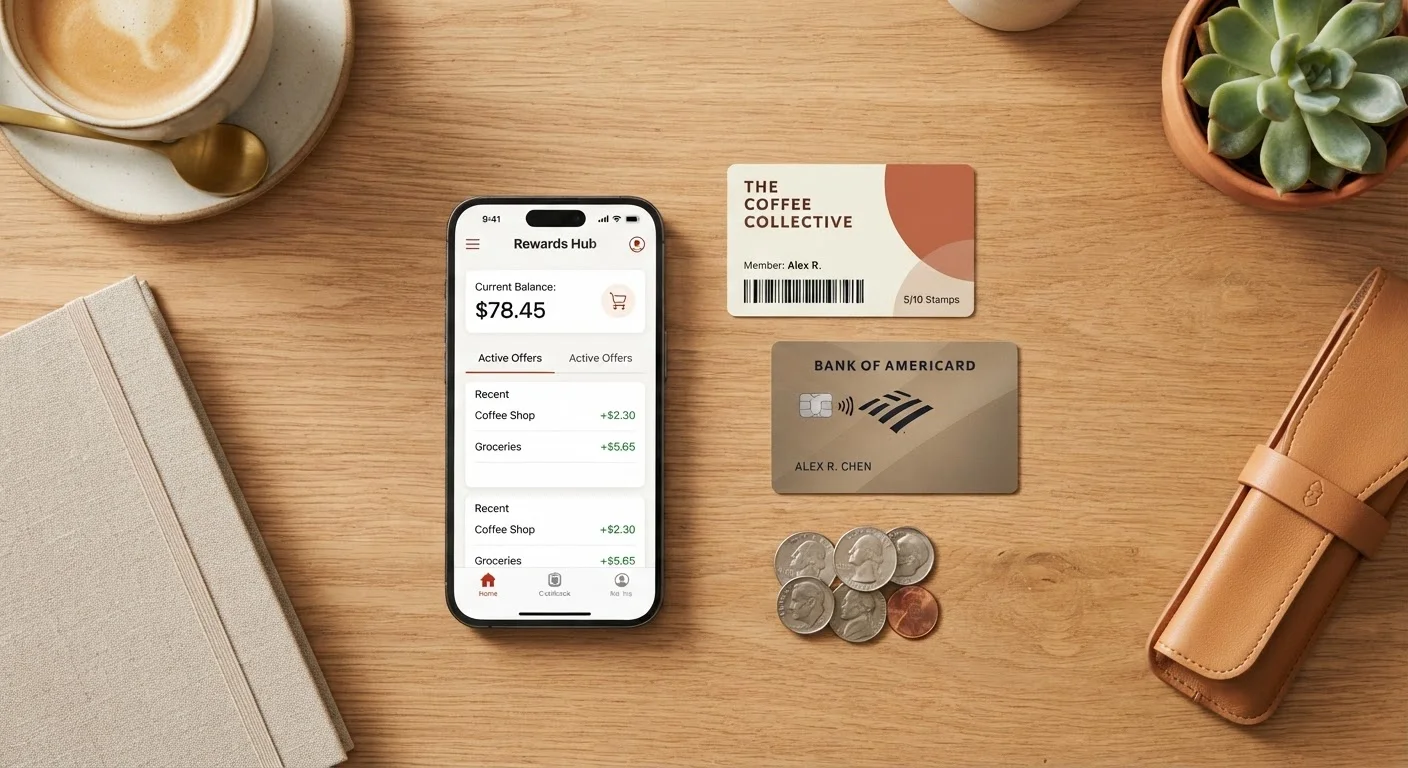
Photo: InsightsChief.com | Your Source Of Trusted Insights editorial
Key Takeaways
- Rewards ecosystems have three distinct layers: loyalty programs, cashback apps, and reward credit cards.
- Each layer operates on a different business model, which determines how and when you actually benefit.
- Combining layers at the same purchase - called stacking - can multiply returns without extra spending.
- Understanding redemption rules and expiration policies prevents you from losing earned rewards.
- Carrying a credit card balance in pursuit of rewards is a net financial loss in virtually every scenario.
The Three Layers of the Rewards Ecosystem
Most shoppers interact with at least one form of rewards program - a grocery store loyalty card, a cashback app, or a credit card that returns a percentage on purchases. Fewer understand that these tools represent three structurally different systems that can work independently or, when aligned, simultaneously.
Think of the rewards ecosystem as three overlapping layers: loyalty programs (run by retailers and service brands), cashback apps (run by third-party intermediaries), and reward credit cards (run by card issuers). Each layer has its own funding source, payout mechanics, and limitations. Getting value from any one of them requires understanding how that layer actually works - not just what the marketing says. For a deeper look at the currencies these programs use, see Cashback, Points, or Miles: Understanding the Three Main Reward Currencies.
How Loyalty Programs Actually Work
Retailer loyalty programs - grocery chains, pharmacies, fuel stations, coffee shops - are funded directly by the business operating them. When you earn points or receive a member discount, that cost is built into the retailer's margin. In exchange, the retailer gains purchase data and repeat visits, both of which have measurable commercial value.
Points-based loyalty programs assign a nominal value to each point (often fractions of a cent), then require a minimum threshold before redemption. This design means a portion of earned points expire unused or are never redeemed - a financial benefit to the retailer. To protect your balance:
- Check the expiration policy before enrolling. Many programs reset your clock with any qualifying activity; others have hard expiry dates.
- Understand what the points are actually worth in dollar terms before spending time accumulating them.
- Note whether the program restricts redemption to specific products, travel dates, or partner networks.
When evaluating a loyalty program, calculate the effective return rate in cents per dollar spent before signing up - most programs publicly disclose the point-to-dollar redemption value. Anything below 0.5% return may not be worth tracking.
For cashback apps, set a recurring monthly check to review active offers before your regular grocery or household shopping runs - this takes under five minutes and captures the highest-volume purchase category most households have.
Retailer loyalty programs differ significantly from co-branded credit card programs even when they share a name and logo. The accumulation mechanics, value rates, and redemption rules are governed separately.
Cashback Apps: The Mechanics Behind the Rebate
Cashback apps occupy the middle layer and are funded primarily through affiliate commissions. When you click through an app to a retailer and make a purchase, the retailer pays the app a commission - the app then shares a portion of that commission with you as cashback. The model also includes receipt-scanning apps that pay per verified purchase at participating retailers, funded by manufacturers seeking promotional data.
Because the rebate comes from an affiliate commission rather than from you, the cashback is genuinely additive - it does not require spending more or changing your behavior materially. However, a few structural limitations are worth knowing:
- Payout thresholds: Most apps require a minimum balance (often $10-$25) before you can withdraw, which means small earners may wait months to access funds.
- Offer availability: Cashback rates are promotional and change frequently. An offer present today may not exist at your next purchase.
- Tracking failures: Browser extensions and apps can occasionally fail to register a click-through correctly, resulting in a missed commission. Keeping screenshots of activated offers provides a basis for dispute.
For a full explanation of how these platforms generate revenue and what that means for users, see How Cashback Apps Actually Make Money.
Watch for Offer Stacking Restrictions
Reward Credit Cards: The Highest-Leverage Layer
Reward credit cards operate on interchange fees - the roughly 1-3% that merchants pay to card networks on every transaction. Card issuers share a slice of that fee back to cardholders as rewards. Because interchange is charged on virtually every purchase, a reward card can return value on spending you would have done anyway.
The leverage here is meaningful: a card returning 2% on all purchases effectively gives back $200 for every $10,000 spent, with no additional cost - provided the balance is paid in full each month. That last condition is not optional math. Credit card interest rates are typically far higher than any reward rate; carrying a balance eliminates the benefit entirely and creates net cost.
~1-3%
Interchange fee on card transactions
Merchants pay this fee to card networks on most credit card transactions; a portion is returned to cardholders as rewards by the card issuer.
~$60B+
Unredeemed loyalty points annually (U.S.)
Industry estimates suggest billions in loyalty program value goes unredeemed each year due to expiration, disengagement, or minimum threshold barriers.
Card rewards also vary significantly by category structure. Some cards offer flat rates across all purchases; others offer elevated rates on specific categories (groceries, fuel, dining, travel) and a lower base rate elsewhere. Matching a card's bonus categories to your actual spending patterns - rather than aspirational spending - determines real-world return.
This article provides general financial information for educational purposes only and is not personalized financial or credit advice. Consult a licensed financial professional regarding decisions specific to your situation.
Putting It All Together: A Practical Framework
Stacking - using all three layers on a single purchase - is the most efficient way to extract value from the ecosystem. A practical example: activating a cashback app offer before clicking through to a retailer, scanning your loyalty card at checkout, and paying with a reward credit card. Each layer generates its return independently because they draw from different funding sources.
A reliable approach to building your own framework involves three steps:
- Audit your spending categories. Identify where you actually spend most - groceries, fuel, online retail, dining - and match your tools to those categories rather than average spend.
- Prioritize by effort-to-return ratio. A reward credit card requires no extra steps after enrollment; a cashback app requires activation per offer. Build the no-effort layer first, then add layers where the payoff justifies the friction.
- Set a calendar reminder for reward expiration dates and annual fee reviews. A program that made sense at enrollment may not at renewal if your spending has shifted.
For a detailed walkthrough of how stacking works in practice - including which combinations tend to be worth the extra steps and which create more complexity than value - see Stacking Rewards: When Using Multiple Programs Together Actually Pays Off.
The complete picture on cashback and rewards is less about finding a single perfect program and more about understanding which tools address which layer of the ecosystem - and building a system that matches your real habits, not an idealized version of them.
The content provided on our blog site traverses numerous categories, offering readers valuable and practical information. Readers can use the editorial team’s research and data to gain more insights into their topics of interest. However, they are requested not to treat the articles as conclusive. The website team cannot be held responsible for differences in data or inaccuracies found across other platforms. Please also note that the site might also miss out on various schemes and offers available that the readers may find more beneficial than the ones we cover.