
Stacking Rewards: When Using Multiple Programs Together Actually Pays Off

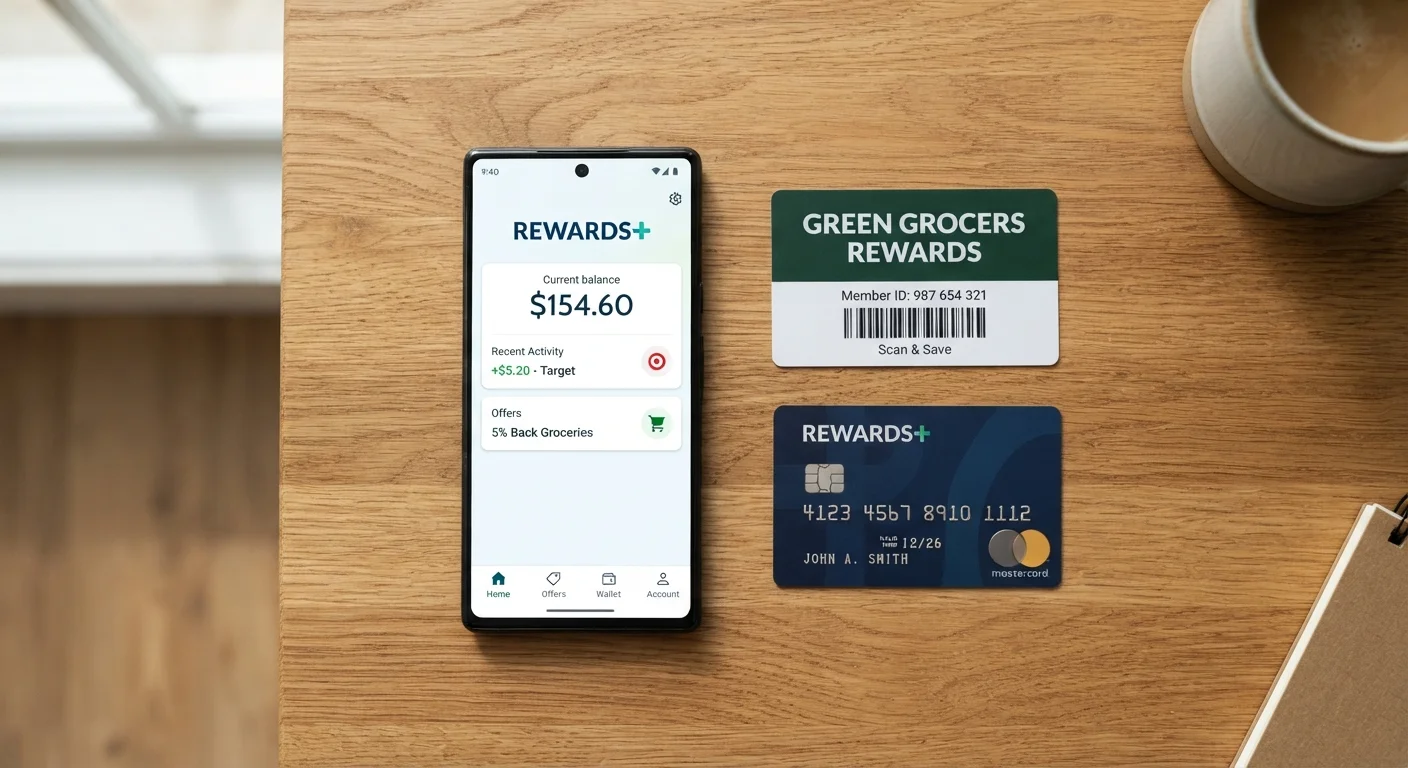
Photo: InsightsChief.com | Your Source Of Trusted Insights editorial
Key Takeaways
- Reward stacking means using a cashback app, a loyalty program, and a rewards card simultaneously on the same purchase.
- Most programs allow stacking because each reward layer comes from a different source.
- The payoff depends on purchase frequency and whether the extra steps are genuinely worth your time.
- Some store loyalty programs and card issuers have exclusion rules - always verify compatibility first.
- Grocery and drugstore categories typically offer the strongest stacking opportunities for everyday households.
What Reward Stacking Actually Means
Reward stacking is the practice of earning from more than one program on a single purchase. A typical stack involves three layers: a store or brand loyalty program, a third-party cashback app, and a rewards credit card. Because each layer is administered by a separate entity with its own reward mechanics, they generally do not cancel each other out - you earn from all three simultaneously.
This is meaningfully different from coupon stacking, which involves combining discounts at the point of sale. Reward stacking happens across earning mechanisms, not discount codes. For a deeper look at how these two savings tools differ, see how coupon stacking works. And if you want context on how loyalty programs and cashback apps function independently before combining them, this breakdown of loyalty programs vs. cashback apps is a good starting point.
The honest caveat: stacking only makes sense when the categories align and the time investment is proportional to the reward. A stack that earns an extra $0.40 on a $12 purchase while requiring three app sign-ins is not an efficient use of time for most households.
How to Build and Use a Reward Stack
Follow these steps to set up a repeatable stacking routine for categories you already shop regularly.
What you will need
Choose one retailer and map all available programs
Pick a store you already visit regularly - at least twice a month. Look up three things: whether that retailer has its own loyalty or membership program, which cashback apps list that retailer as an active partner, and what earn rate your rewards credit card offers for purchases at that merchant category.
Write or note these down side by side. This clarity prevents you from discovering mid-checkout that one layer isn't active.
Enroll in the loyalty program and activate any available offers
Create or log into your loyalty account before your next shopping trip. Many store programs require you to activate specific digital coupons or offers in advance - these do not apply automatically at checkout. Check the app or website and clip any offers relevant to your planned purchases.
Activate the cashback offer in your rebate app
Open your cashback app and search for the same retailer. If a cashback offer is available, activate it before you shop - most apps require a deliberate tap or click to start tracking. Some apps also require you to use their in-app browser or browser extension for online purchases; confirm the method required so the purchase is attributed correctly.
Pay with your rewards credit card
At checkout - in-store or online - pay with the rewards card that offers the highest earn rate for this merchant category. Verify in advance that this retailer qualifies for any bonus category rate your card advertises. A standard grocery earn rate, for example, may not apply at a supercenter or warehouse club depending on how the card issuer categorizes the merchant.
Verify all three rewards post correctly
After the purchase, check each program separately within 48-72 hours. Loyalty points typically post immediately or within one statement cycle. Cashback app credits may take several days to confirm after the return window closes. Credit card rewards usually appear on your next statement. If any layer is missing, contact that program's support with your receipt and, if applicable, the screenshot from Step 3.
Start Small Before Scaling Your Stack
Where Stacking Pays Off Most - and Where It Doesn't
Groceries and drugstores are the strongest stacking categories for most households. Store loyalty programs in these verticals are free to join, widely compatible with third-party apps, and tied to products bought on a regular cadence. For a practical walkthrough of how these layers interact at the checkout lane, see grocery shopping and cashback. Loyalty program coupon coordination is also covered in detail at getting the most out of store loyalty programs alongside coupons.
Stacking is less straightforward in categories like travel, electronics, or specialty retail. Some hotel and airline loyalty programs explicitly prohibit third-party earning on the same transaction. Certain credit card issuers exclude wholesale clubs or specific merchant category codes from bonus earn rates. Always read the terms of each program for the retailers you frequent most.
Exclusions Can Silently Void a Layer
For shoppers who want to explore the broader landscape of promotional savings, the Coupons & Promo Codes hub covers additional strategies that can complement a stacking routine.
The content provided on our blog site traverses numerous categories, offering readers valuable and practical information. Readers can use the editorial team’s research and data to gain more insights into their topics of interest. However, they are requested not to treat the articles as conclusive. The website team cannot be held responsible for differences in data or inaccuracies found across other platforms. Please also note that the site might also miss out on various schemes and offers available that the readers may find more beneficial than the ones we cover.