
How Cashback Apps Actually Make Money (And What That Means for You)

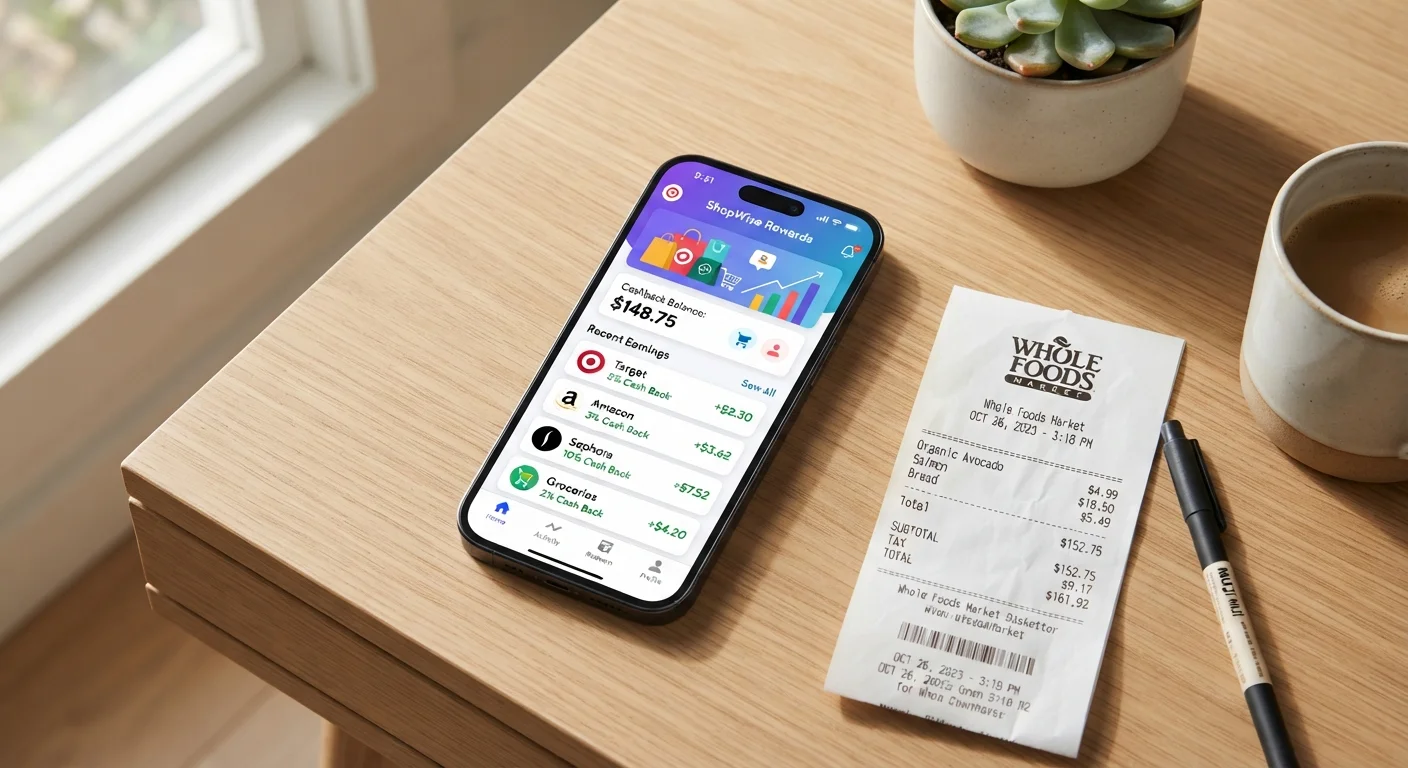
Photo: InsightsChief.com | Your Source Of Trusted Insights editorial
Key Takeaways
- Cashback apps are paid by retailers, not by you - they pass a share of that fee back as your reward.
- The cashback percentage you receive is always less than what the retailer pays the app.
- Apps may also earn revenue from selling anonymized shopping data and running promoted offers.
- Promoted or 'featured' offers often pay the app more, which may influence which deals are surfaced to you.
- Cashback is real money, but realistic expectations prevent disappointment - rates typically range from 1% to 10%.
- Understanding the model helps you stack cashback with other discounts more effectively.
The Core Revenue Loop
At the heart of every cashback app is a straightforward affiliate arrangement. A retailer wants to drive online sales and is willing to pay a percentage of each transaction to whoever sends them a buyer. Cashback apps plug into this system by connecting millions of shoppers to those retailers - earning a commission on every qualifying purchase.
That commission, typically ranging from 2% to 20% of the purchase price depending on the retailer and product category, is then split: the app keeps part and passes the rest to you as cashback. The rate you see in the app is always the consumer-facing portion, not the full commission.
This model explains why cashback rates differ so dramatically between retailers and even between product categories within the same store. A retailer with high profit margins - say, a travel booking site or a software subscription - can afford a larger commission than a grocery chain operating on 2-3% margins. For a broader look at how cashback fits into the wider savings ecosystem, see the complete picture on cashback and rewards.
1%-10%
Typical consumer-facing cashback rate range
Consumer cashback rates generally fall in this range across major app platforms, reflecting the app's margin on top of the retailer's commission.
~$5B+
Annual US affiliate marketing spend
The affiliate marketing industry - the underlying infrastructure for most cashback apps - represents billions in annual advertiser spend in the United States, according to industry estimates.
30-60 days
Typical cashback confirmation window
Most cashback apps hold earnings in 'pending' status for 30 to 60 days to allow time for returns and commission confirmation before funds become withdrawable.
Other Ways Apps Generate Revenue
Affiliate commissions are the primary income stream, but most cashback platforms layer in additional revenue sources that every user should understand.
Data monetization
Your purchase history - even when anonymized and aggregated - has commercial value. Consumer packaged goods companies, market research firms, and retailers pay for access to real shopping behavior data. Apps disclose this in their privacy policies, though the language is often buried. If data sharing matters to you, reading those terms before signing up is worth the five minutes.
Promoted placements
When a retailer appears prominently in an app's "featured deals" section or receives a special badge, it often means the retailer paid for that placement or agreed to a higher commission rate. This isn't necessarily deceptive - higher commissions can mean higher cashback for you - but it does mean the app's recommendations are partially commercially driven, not purely editorial.
Financial product referrals
Some apps earn fees by referring users to reward credit cards or other financial products. This is general information, not a recommendation for any specific product - consult a licensed financial adviser before applying for credit based on rewards potential alone.
Cashback Confirmation Is Not Immediate
What This Means for How You Use the App
Understanding the business model changes how you interact with these apps in practical ways.
Don't let cashback drive spending decisions. Because the app profits when you buy, the entire platform is designed to encourage purchases. A 10% cashback offer is only a net positive if you were already planning to buy that item at that price. Buying something unnecessary to earn cashback is a cost, not a saving.
Compare the full price, not just the cashback rate. A retailer offering 8% cashback through an app may still be more expensive than a competitor with no cashback program. Check the net cost after cashback against competitor pricing - especially for larger purchases.
Stack when the terms allow it. Many cashback apps can be combined with coupon codes and promo codes applied at checkout. Verifying whether stacking is permitted takes seconds and can meaningfully increase your total savings. For a direct comparison of how these two discount mechanisms differ, see cashback apps and coupon codes compared.
Track your earnings realistically. Cashback typically pays out at modest rates - think of it as a small, reliable rebate rather than a primary savings strategy. Used consistently within your normal spending patterns, it contributes meaningfully to a broader household saving strategy.
Putting It in Context
Cashback apps are legitimate tools when used with clear-eyed expectations. They generate real revenue by making themselves useful to both retailers and shoppers simultaneously - a model that works precisely because both sides benefit. Retailers acquire customers cost-effectively; shoppers get a rebate they wouldn't otherwise receive.
The friction points arise when shoppers treat cashback as a primary reason to buy rather than a secondary benefit of a purchase they were already making. Keeping that distinction sharp - purchase first, cashback second - is what separates households that genuinely save from those that spend more in the name of earning rewards.
For category-specific strategies, the guide on grocery shopping and cashback shows how these mechanics apply to one of the most consistent earning opportunities available to everyday shoppers. And if you're weighing cashback apps against store loyalty programs, loyalty programs vs. cashback apps breaks down the key differences.
This article is for general informational purposes only and does not constitute financial, tax, or investment advice. Consult a licensed financial professional regarding decisions specific to your circumstances.
Frequently Asked Questions
The content provided on our blog site traverses numerous categories, offering readers valuable and practical information. Readers can use the editorial team’s research and data to gain more insights into their topics of interest. However, they are requested not to treat the articles as conclusive. The website team cannot be held responsible for differences in data or inaccuracies found across other platforms. Please also note that the site might also miss out on various schemes and offers available that the readers may find more beneficial than the ones we cover.