
Cashback Apps and Coupon Codes: How the Two Discount Systems Compare

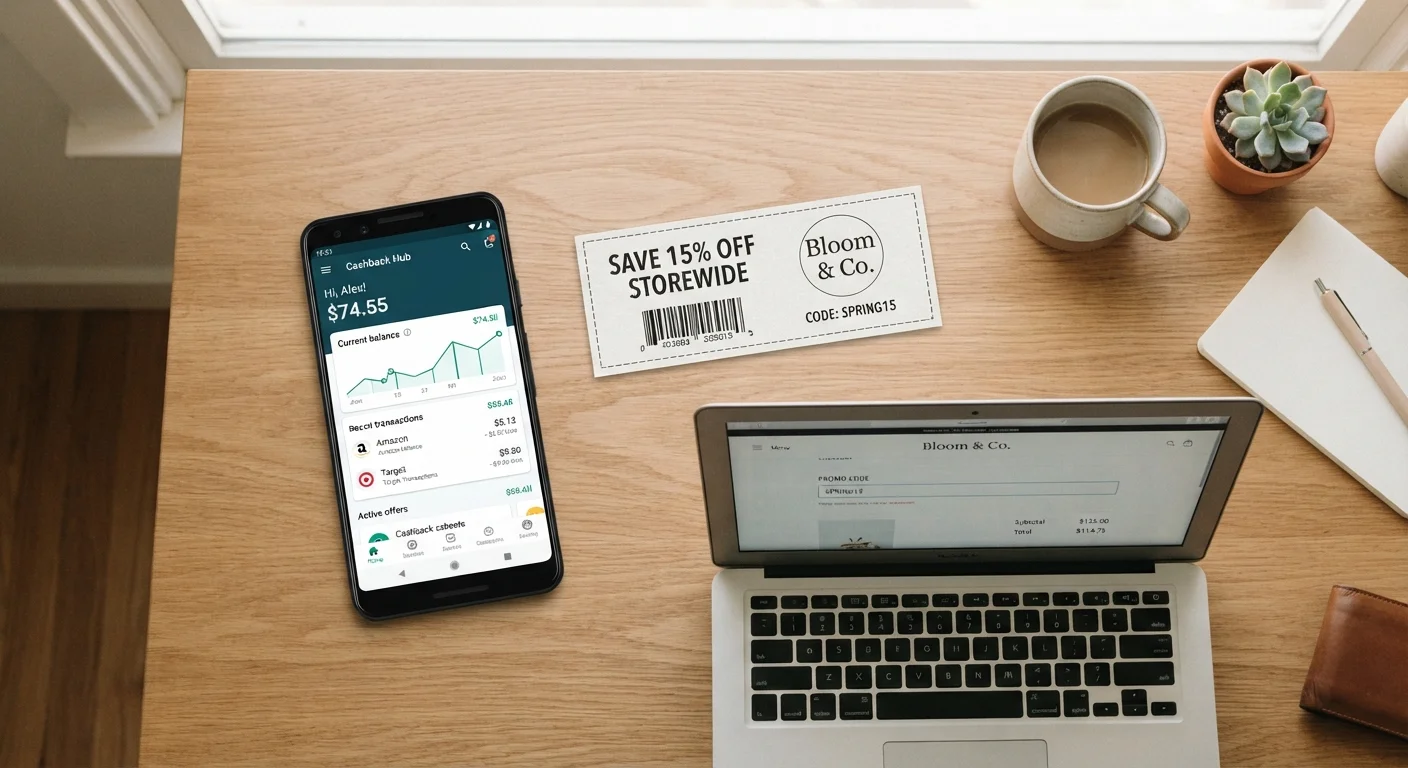
Photo: InsightsChief.com | Your Source Of Trusted Insights editorial
Key Takeaways
- Coupon codes reduce your price at checkout; cashback apps return a percentage after the purchase is confirmed.
- Promo codes offer instant, visible savings while cashback rewards can take days or weeks to clear.
- Many retailers allow both methods to be used on the same order, effectively stacking discounts.
- Cashback apps earn revenue through affiliate commissions, which shapes which retailers and products they promote.
- Neither system universally outperforms the other - the better choice depends on the purchase type and timing.
How Each System Actually Works
Despite sharing the same goal - reducing what you pay - cashback apps and coupon codes operate through fundamentally different mechanics. Understanding those mechanics helps you choose the right tool for each situation.
Coupon and promo codes are alphanumeric strings entered at checkout that instruct a retailer's system to apply a predefined discount before payment is processed. The reduction is immediate and visible on your order summary. For a deeper look at how retailers structure these discounts, see how coupons and promo codes actually work.
Cashback apps work on a rebate model. You activate an offer, complete a qualifying purchase, and the app receives an affiliate commission from the retailer - a portion of which it passes back to you, typically after a confirmation window of several days to a few weeks. The savings are real but deferred. To understand the full business model behind these platforms, how cashback apps make money explains what drives offer selection and payout rates.
| Coupon / Promo Codes | Cashback Apps | |
|---|---|---|
| When savings are received | Instantly at checkout | Days to weeks after purchase |
| Savings visibility | Confirmed before payment | Estimated until cleared |
| Typical discount range | 5%-30% per order | 1%-10% rebate per order |
| In-store applicability | Limited, mostly online | Wide, including receipt scanning |
| Effort required | Searching for valid codes | Activating offers before purchase |
| Minimum threshold to redeem | None - applied immediately | Typically $5-$25 accumulated |
| Stackable with other discounts | Often yes, varies by retailer | Depends on offer terms |
Speed, Reliability, and Friction
Promo codes deliver certainty at the point of sale. You see the reduced total before you confirm payment, and there's no waiting period or minimum threshold before you benefit. The main friction is finding a working code - expired or invalid codes are common, and testing several before one applies can be time-consuming. Browser extension tools automate part of this process; browser extensions vs. coupon websites compares the two main approaches for sourcing valid codes.
Cashback rebates introduce a delay and a minimum payout threshold before you can withdraw earnings. Most platforms require $5-$25 in accumulated cashback before you can redeem via PayPal, gift card, or check. Returns are also variable - offer rates change, and a retailer can cancel an order's cashback attribution if you return an item or if tracking fails. Neither outcome is guaranteed.
Check Stacking Rules Before You Checkout
Stacking: Using Both at Once
Many online retailers permit customers to apply a promo code and activate a cashback offer on the same transaction - a practice commonly called stacking. The promo code lowers the subtotal; the cashback app then calculates its rebate as a percentage of the final, post-code amount. This means the cashback dollar value is slightly lower than it would be on the full-price order, but your total savings are higher.
Not all retailers allow stacking. Some cashback platforms explicitly exclude transactions where a coupon code was entered, or restrict stacking to codes the platform itself provides. Before assuming both will apply, check the specific offer terms within the cashback app. For grocery purchases specifically, grocery cashback strategies covers how receipt-scanning apps, loyalty cards, and cashback rewards interact at checkout.
Coverage: Where Each System Has an Edge
Promo codes are heavily concentrated in online retail. They're common across apparel, electronics, software subscriptions, and direct-to-consumer brands. In-store coupon use still exists - primarily through manufacturer paper coupons and retailer apps - but the volume is narrower than online code availability.
Cashback apps cover a broader surface area. Most support in-store purchases via receipt scanning or linked loyalty cards, online shopping through browser extensions or tracked links, and travel bookings. If your spending skews toward physical grocery stores or in-person services, cashback apps often provide coverage where promo codes don't reach. For travel spending specifically, the Travel Deals & Savings hub outlines how cashback and discount strategies translate to flights and hotels.
Credit card cashback programs represent a parallel layer entirely - and they interact with both systems above. Flat-rate vs. category cashback cards breaks down how card-level rewards stack alongside app and code savings.
Choosing Based on Purchase Type
For large, planned purchases - furniture, appliances, electronics - a valid promo code offering 10-20% off delivers a more predictable and immediate return than a 2-5% cashback rate. The certainty of a confirmed lower price matters more when the dollar amounts are significant.
For recurring, smaller purchases - groceries, household supplies, personal care - cashback apps accumulate value consistently over time without requiring active code-hunting. The effort-to-return ratio favors passive rebate activation.
For online subscriptions and software, promo codes are often the only discount mechanism available, since many cashback platforms exclude subscription renewals from eligible purchases.
The most effective long-term strategy treats these as complementary tools rather than competing alternatives. Understanding both systems - how they're funded, where they apply, and when they can be combined - gives shoppers the full picture. For a broader view of how cashback tools compare to store loyalty programs, see loyalty programs vs. cashback apps.
This article is for general informational purposes only and does not constitute financial advice. Savings outcomes vary by retailer, offer terms, and individual spending patterns.
The content provided on our blog site traverses numerous categories, offering readers valuable and practical information. Readers can use the editorial team’s research and data to gain more insights into their topics of interest. However, they are requested not to treat the articles as conclusive. The website team cannot be held responsible for differences in data or inaccuracies found across other platforms. Please also note that the site might also miss out on various schemes and offers available that the readers may find more beneficial than the ones we cover.