
Everything You've Been Told About Reward Programs That Isn't True

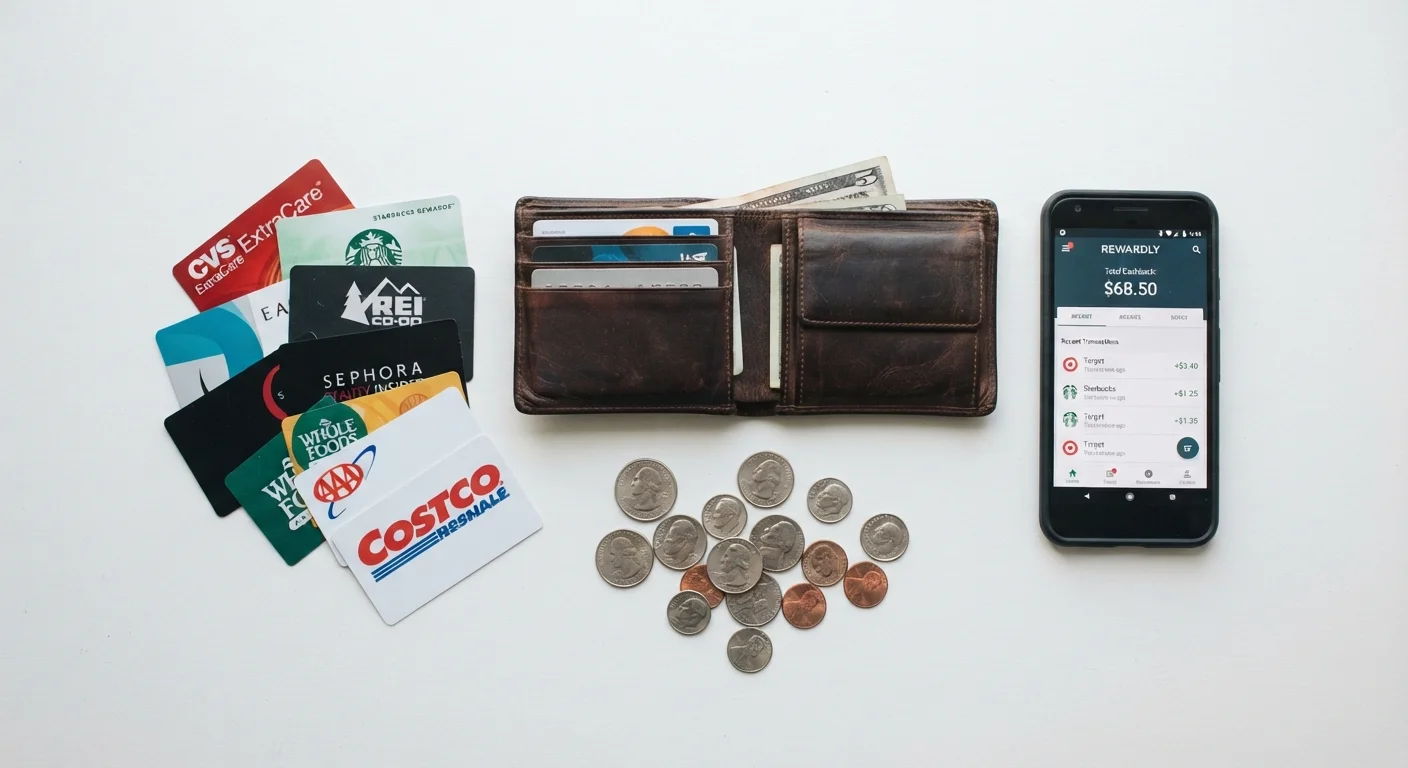
Photo: InsightsChief.com | Your Source Of Trusted Insights editorial
Key Takeaways
- Cashback is not always free money - some programs influence spending patterns that offset your earnings.
- Points from different programs carry different dollar values and cannot be compared directly.
- Reward credit cards can cost more than they return if you carry a balance month to month.
- Loyalty programs and cashback apps serve different purposes and work best used together strategically.
- Points and miles can expire or lose value - understanding program rules is essential before earning.
Why Reward Myths Persist
Loyalty programs, cashback apps, and reward credit cards are marketed heavily, which means the messaging shoppers encounter most often is designed to encourage participation - not necessarily to explain limitations. Over time, simplified marketing language hardens into assumptions that many consumers never think to question.
The result is a gap between what people believe rewards programs do and how those programs actually function. Some myths lead to missed earnings; others lead to real financial costs. Understanding the mechanics - not just the marketing - is what separates shoppers who genuinely benefit from those who only think they do.
For a grounding overview of how the three main reward types work, see Cashback, Points, or Miles: Understanding the Three Main Reward Currencies before diving in.
Myth
Cashback is always free money - you earn it on purchases you'd make anyway, so there's no downside.
Fact
Cashback programs can influence spending behavior in ways that offset or exceed the rewards earned.
The framing of cashback as a passive bonus assumes your purchasing decisions remain entirely unchanged by program membership. Research in consumer behavior consistently shows that loyalty program participation can increase overall spending - members may buy more, trade up to higher-priced items, or choose a participating retailer over a cheaper alternative specifically to earn rewards. If a 3% cashback rate prompts you to spend 10% more than you otherwise would have, the net outcome is a cost, not a gain. Cashback is a genuine benefit when applied to spending you'd make regardless of the program, but that requires conscious tracking.
Myth
All points are worth the same - a point is a point, no matter which program issued it.
Fact
Point values vary dramatically across programs and even across redemption types within the same program.
There is no universal point currency. An airline mile, a hotel point, and a general-purpose credit card point each have a different redemption value - and within a single program, the value of one point can vary depending on how you redeem it. Booking a flight might yield 1.5 cents per point while redeeming for merchandise in the same program yields 0.5 cents per point. Treating all points as equivalent leads to poor redemption decisions. Travel Reward Points Explained covers how point valuations work across common travel programs specifically.
Myth
Reward credit cards are always worth it because the perks outweigh the costs.
Fact
For cardholders who carry a balance, interest charges routinely exceed the value of any rewards earned.
Reward credit cards typically charge higher annual percentage rates (APRs) than non-reward cards. A cardholder earning 2% cashback on $1,000 in monthly spending earns roughly $20 in rewards - but carrying even a small balance at a 24% APR generates interest charges that can eliminate that benefit within the first billing cycle. Reward cards function as intended only when the full balance is paid each month. If that's not consistently possible, the financial cost of the card likely outweighs the benefit. This is general information, not personalized financial advice - consult a licensed financial professional about your specific circumstances.
Myth
Points don't expire, so there's no urgency to use them.
Fact
Most programs have expiration policies tied to account inactivity or program-level changes that can wipe out balances.
Many reward programs tie point longevity to account activity rather than an absolute date - meaning a period of inactivity (often 12 to 24 months) triggers forfeiture of the entire balance. Separately, programs can and do devalue or discontinue reward currencies with relatively short notice, effectively reducing the real-world value of accumulated points without technically expiring them. Neither scenario is hypothetical; both have affected major programs. Treating points as indefinitely stable assets is a common and costly assumption. Points expiration and blackout dates outlines the most common restrictions in detail.
Myth
You have to be a heavy spender for reward programs to be worth your time.
Fact
Many no-fee cashback apps and store loyalty programs offer returns at low spending thresholds, making them accessible to any budget.
The assumption that rewards only work for high spenders reflects familiarity with premium travel cards that require significant annual spending to offset fees. But there is a broad category of no-annual-fee cashback programs and free store loyalty memberships that generate returns on everyday purchases - groceries, gas, household staples - without requiring large outlays. The key variable is not spending volume but program fit: choosing programs that match where you already spend. If you're new to rewards entirely, Your First Rewards Program provides a practical entry point.
What the Myths Get Wrong - and What to Do Instead
Correcting a misconception is only useful if it changes behavior. Here's how each myth plays out in practice and what a more informed approach looks like.
~$360
Average annual loyalty program earnings left unredeemed per household
Loyalty program research from Clarus Commerce and similar consumer studies has estimated that a significant portion of earned rewards go unredeemed each year, often because members are unaware of balances or redemption options.
3-5x
Variation in point value across redemption types
Analysis by points-valuation researchers has shown the same reward point can be worth three to five times more depending on how and when it is redeemed within the same program.
On points valuations: Before accumulating large balances in any program, check the redemption options and calculate the real-world value per point. Gift card redemptions, for instance, often yield lower per-point value than travel redemptions in the same program. Our guide to getting full value from your rewards walks through this calculation step by step.
On expiration: Many programs reset your points clock only when you have qualifying account activity - a single small transaction can extend your window. But you have to know the rule exists first. Points expiration and other reward gotchas covers the most common restrictions shoppers overlook.
On program stacking: Store loyalty programs and cashback apps are not competitors - they can often run simultaneously on the same purchase. Understanding how each tool works independently helps you identify where they complement each other. See Loyalty Programs vs. Cashback Apps for a clear breakdown.
This article is for general informational purposes only and does not constitute financial or legal advice. Consult a qualified financial professional regarding decisions specific to your situation.
The content provided on our blog site traverses numerous categories, offering readers valuable and practical information. Readers can use the editorial team’s research and data to gain more insights into their topics of interest. However, they are requested not to treat the articles as conclusive. The website team cannot be held responsible for differences in data or inaccuracies found across other platforms. Please also note that the site might also miss out on various schemes and offers available that the readers may find more beneficial than the ones we cover.