
Points Expiration, Blackout Dates, and Other Reward Gotchas to Know

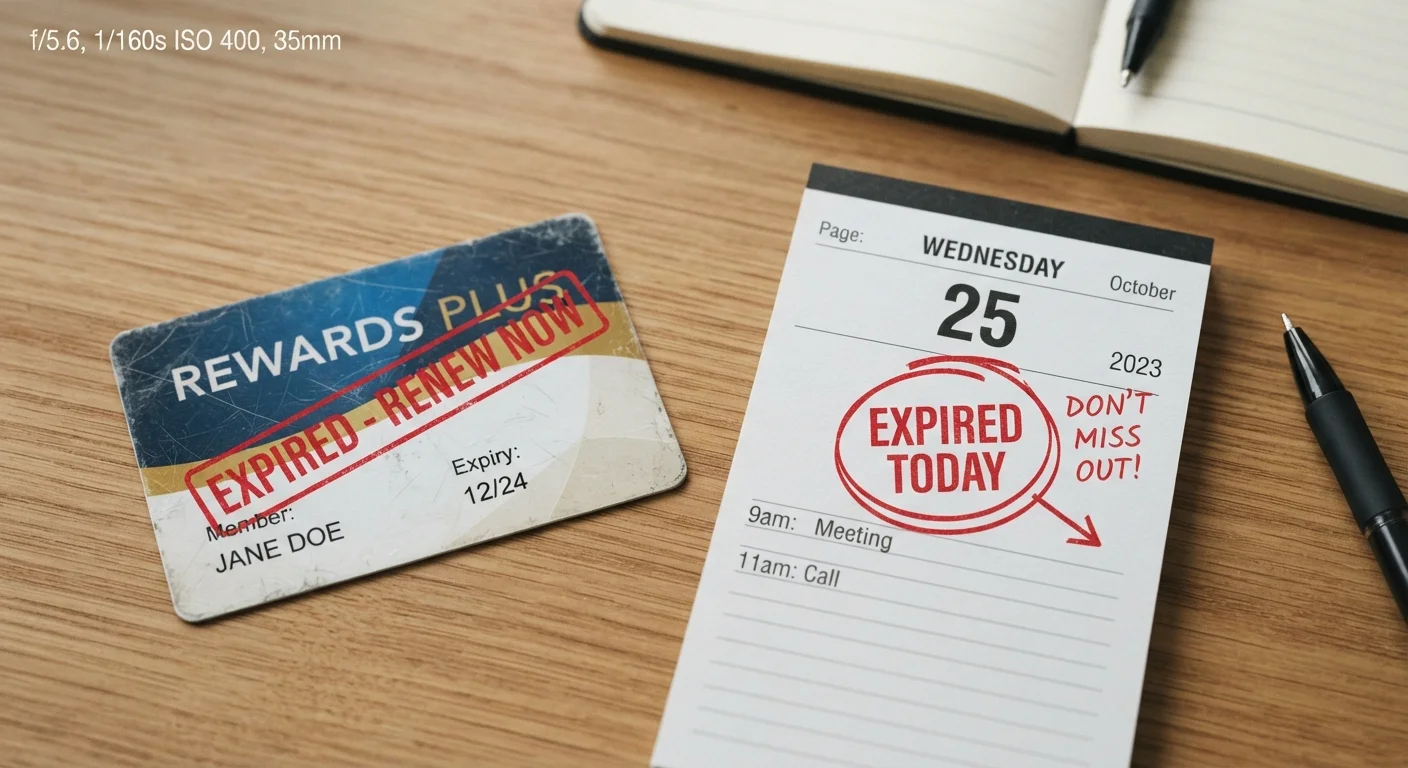
Photo: InsightsChief.com | Your Source Of Trusted Insights editorial
Key Takeaways
- Points can expire silently after inactivity periods as short as 90 days in some programs.
- Blackout dates and seat caps can block award redemptions during the times you most want to travel.
- Minimum redemption thresholds and cashout fees can shrink what you actually receive.
- Keeping a simple rewards calendar prevents the most common and costly oversights.
- Program rule changes can devalue your balance with little or no advance notice.
Why Reward Programs Have So Many Hidden Rules
Loyalty programs, cashback apps, and reward credit cards are designed to encourage repeat engagement - but their terms are structured to protect the program's economics as much as the member's balance. That tension is where most reward gotchas originate. Programs earn when members don't redeem, and complex or obscure restrictions are a reliable way to ensure that outcome.
Understanding this dynamic doesn't require cynicism, just attention. The rules governing expiration, blackout dates, and redemption limits are almost always disclosed - they're simply buried in terms that few people read before signing up. The mistakes below represent the most consequential gaps between what shoppers expect and what program terms actually deliver.
Letting points sit idle until they expire without realizing inactivity triggers forfeiture.
Trying to redeem travel rewards during peak periods without accounting for blackout dates or limited award inventory.
Ignoring minimum redemption thresholds and ending up with a balance that can never be cashed out.
Assuming all reward currencies carry equal real-world value regardless of how they're redeemed.
Overlooking account fees or inactivity fees that quietly drain a reward balance.
Stacking coupons or promo codes with rewards in ways that accidentally void the reward earning.
Staying Ahead of Restrictions Before They Cost You
The common thread across every reward gotcha is timing - specifically, acting before a restriction becomes a problem rather than after. A few practical habits cover most of the risk.
Program Terms Can Change Without Much Notice
Track expiration dates in one place. A simple spreadsheet or phone note listing each program, your current balance, and the next expiration or inactivity date takes minutes to maintain and prevents the most preventable losses. Review it monthly if you hold multiple accounts.
Redeem incrementally, not all at once. Don't wait to accumulate a large balance before redeeming. Partial redemptions reduce your exposure to devaluations and ensure you're extracting real value continuously. Before any redemption, run through a pre-redemption checklist to avoid leaving value on the table.
Read rule changes when they arrive. Program update emails are easy to ignore, but they sometimes contain devaluation announcements buried in updated terms. A two-minute scan can be worth far more than the time it takes. For more on how advertised reward deals can obscure real restrictions, see reading the fine print on travel offers.
Your Points Balance Can Drop to Zero
This article is for general informational purposes only. Reward program terms vary by provider and change over time. Always verify current rules directly with each program before making spending or redemption decisions. This is not financial advice; consult a qualified financial professional for guidance specific to your situation.
The content provided on our blog site traverses numerous categories, offering readers valuable and practical information. Readers can use the editorial team’s research and data to gain more insights into their topics of interest. However, they are requested not to treat the articles as conclusive. The website team cannot be held responsible for differences in data or inaccuracies found across other platforms. Please also note that the site might also miss out on various schemes and offers available that the readers may find more beneficial than the ones we cover.