
Earning Rewards Without a Credit Card: Cashback Options for Cash-Only Shoppers

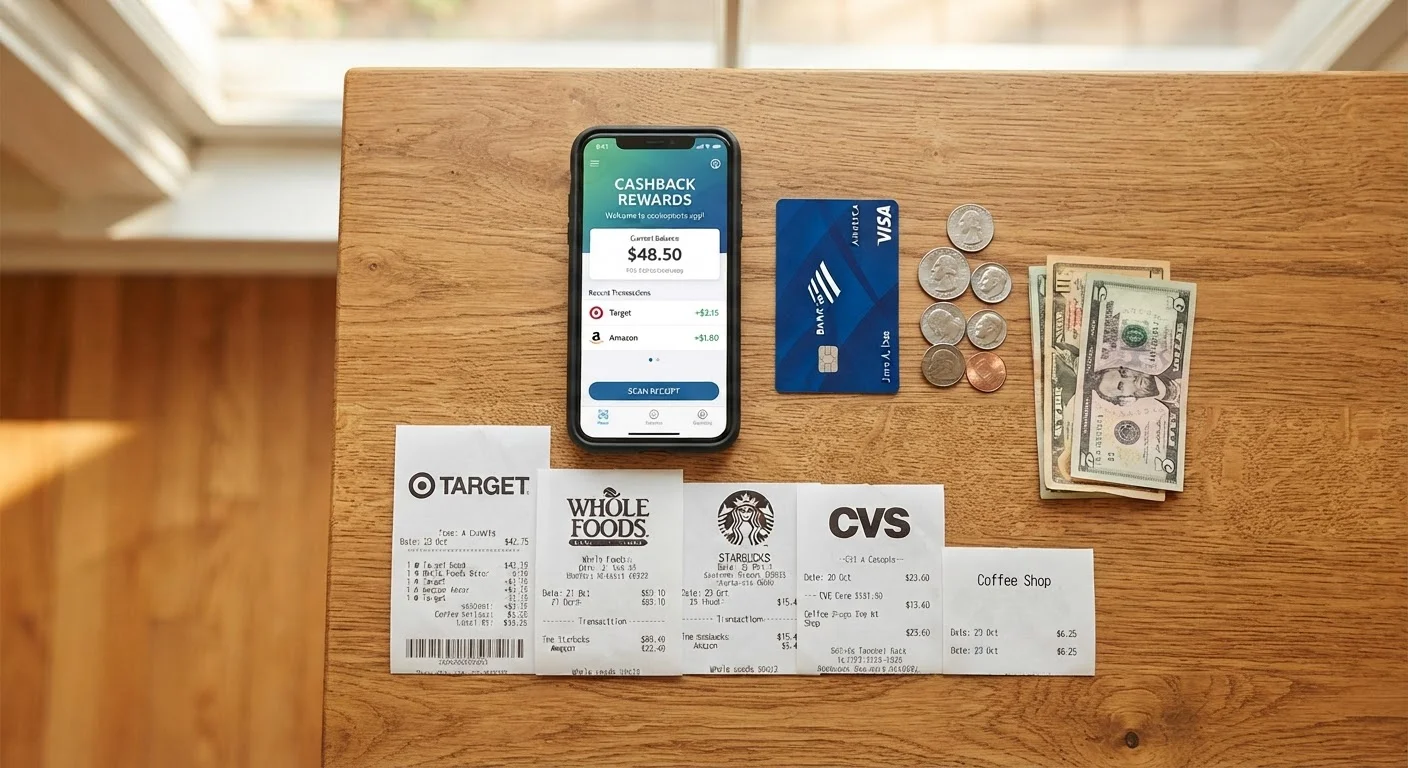
Photo: InsightsChief.com | Your Source Of Trusted Insights editorial
Key Takeaways
- Receipt-scanning apps let you earn cashback on everyday purchases paid with cash or debit.
- Many grocery and retail chains offer loyalty programs with points or discounts tied to your phone number - no card required.
- Debit cards from some banks and credit unions come with their own cashback or rewards features.
- Stacking multiple no-credit methods - loyalty programs plus receipt apps - can meaningfully increase total savings.
- Cashback earned through apps typically pays out as gift cards, PayPal deposits, or direct bank transfers.
You Don't Need Credit to Earn Rewards
The assumption that cashback and rewards are exclusively for credit cardholders leaves a significant portion of shoppers out of the picture. Whether you prefer cash, use a debit card, or are working on building credit from scratch, there are several well-established ways to earn real money back on routine purchases.
The methods below range from smartphone apps that scan paper receipts to bank accounts with built-in rewards. None require a credit card or a credit check. If you're new to this space, our plain-language starting guide explains the fundamentals before you dive in. To understand how different reward types compare in actual value, see cashback, points, and miles explained.
Receipt-Scanning Cashback Apps
Several apps allow users to photograph store receipts - from any retailer, paid by any method - and earn points or cashback in return. These platforms partner with consumer brands that want purchase data, and they share a portion of that value with users. Points typically redeem for gift cards, PayPal deposits, or bank transfers.
The earning rate per receipt is modest (often a few cents to a dollar depending on qualifying items), but the barrier to entry is low: no bank account linking is required by some apps, and cash purchases qualify just as readily as card purchases. Consistency matters more than any single transaction.
Cash purchases qualify just as readily as card payments with most receipt-scanning apps.
Store and Grocery Loyalty Programs
Most major grocery chains, drugstores, and big-box retailers operate loyalty programs tied to a phone number or email address rather than a payment method. You sign up once, provide your identifier at checkout, and earn points or unlock discounted prices regardless of whether you pay with cash, debit, or a card.
These programs frequently offer personalized coupons based on purchase history, fuel discounts, and bonus point events. Grocery loyalty programs in particular can deliver consistent value since food is a recurring, high-frequency spend category. For more on how this plays out at the register, see grocery cashback strategies.
Grocery loyalty programs reward your purchase history regardless of how you pay at checkout.
Debit Cards with Rewards Features
A growing number of banks, credit unions, and fintech companies attach cashback or rewards features directly to checking accounts and debit cards. These programs typically offer a flat percentage back on all debit purchases, or rotating bonus categories similar to how some credit cards are structured.
Because these are debit products, spending is limited to funds already in the account - no debt, no interest. Eligibility requirements vary by institution; some programs require a minimum monthly deposit or a set number of transactions to unlock the rewards rate. Review account terms carefully, as monthly fees on some accounts can offset earnings if the account isn't used actively.
Debit-linked rewards let you earn cashback without borrowing - spending is capped to your own funds.
Manufacturer and Brand Rebate Portals
Consumer goods manufacturers - particularly in categories like household products, baby items, and over-the-counter health products - operate their own rebate portals or participate in cashback platforms. Shoppers submit proof of purchase (a receipt photo or barcode scan) after buying qualifying products and receive a rebate to a linked account or via check.
These offers are product-specific rather than store-specific, so they can be combined with store loyalty discounts on the same purchase. The rebate amounts are fixed per item rather than percentage-based, which makes them most valuable on higher-cost product categories where a $2-$5 rebate represents a meaningful return.
Manufacturer rebates can stack on top of store loyalty discounts for the same qualifying purchase.
Prepaid Debit Cards with Reward Programs
Some prepaid debit cards - loaded with funds in advance, like a gift card - come with associated rewards programs. These can be appealing for shoppers who want the structure of a card-based system without a bank account or credit relationship. Certain prepaid programs offer cashback on purchases at participating retailers or fuel stations.
The important caveat: prepaid cards often carry fees for loading funds, monthly maintenance, or ATM withdrawals. Calculating whether the rewards outweigh the fee structure requires reading the full fee schedule. For shoppers whose primary goal is avoiding credit, prepaid rewards cards offer an option - but only if the math works in your favor after fees.
Prepaid reward cards only make financial sense after accounting for all associated fees.
Retailer-Specific App Offers and Digital Coupons
Many retailers push exclusive discounts and cashback offers through their own apps, independent of any broader loyalty program. Users browse available offers, clip them digitally, and the savings apply automatically at checkout - whether paying by cash, debit, or any other method in some cases (terms vary by store).
These in-app offers are refreshed weekly and often include both brand-sponsored promotions and store-funded discounts. Because they require no credit relationship and no third-party app, they represent one of the simplest entry points for shoppers new to the rewards space. Checking the retailer's app before each shopping trip is the main habit required.
Retailer apps refresh weekly with discounts that require no credit card and no third-party sign-up.
Getting the Most from No-Credit Rewards
Using even two or three of these approaches together - say, a store loyalty account plus a receipt-scanning app - can add up to meaningful savings over time without any new financial products or credit obligations. The key is consistency: registering your loyalty accounts before shopping, scanning receipts promptly, and checking for available offers each week.
Stack Programs for Better Results
For shoppers who want to build rewards habits that run in the background, a cashback routine on autopilot walks through how to structure these steps so earning becomes automatic. And if you're curious how loyalty programs and cashback apps compare as tools, loyalty programs vs. cashback apps breaks down the key differences.
If your longer-term goal includes access to credit-based rewards, building credit from zero covers accessible starting points like secured cards and credit-builder loans.
This article is for general informational purposes only and does not constitute financial advice. Program terms, availability, and payout methods vary by provider and may change. Review each program's current terms before enrolling.
The content provided on our blog site traverses numerous categories, offering readers valuable and practical information. Readers can use the editorial team’s research and data to gain more insights into their topics of interest. However, they are requested not to treat the articles as conclusive. The website team cannot be held responsible for differences in data or inaccuracies found across other platforms. Please also note that the site might also miss out on various schemes and offers available that the readers may find more beneficial than the ones we cover.