
Car Maintenance From the Ground Up: A First-Time Owner's Primer

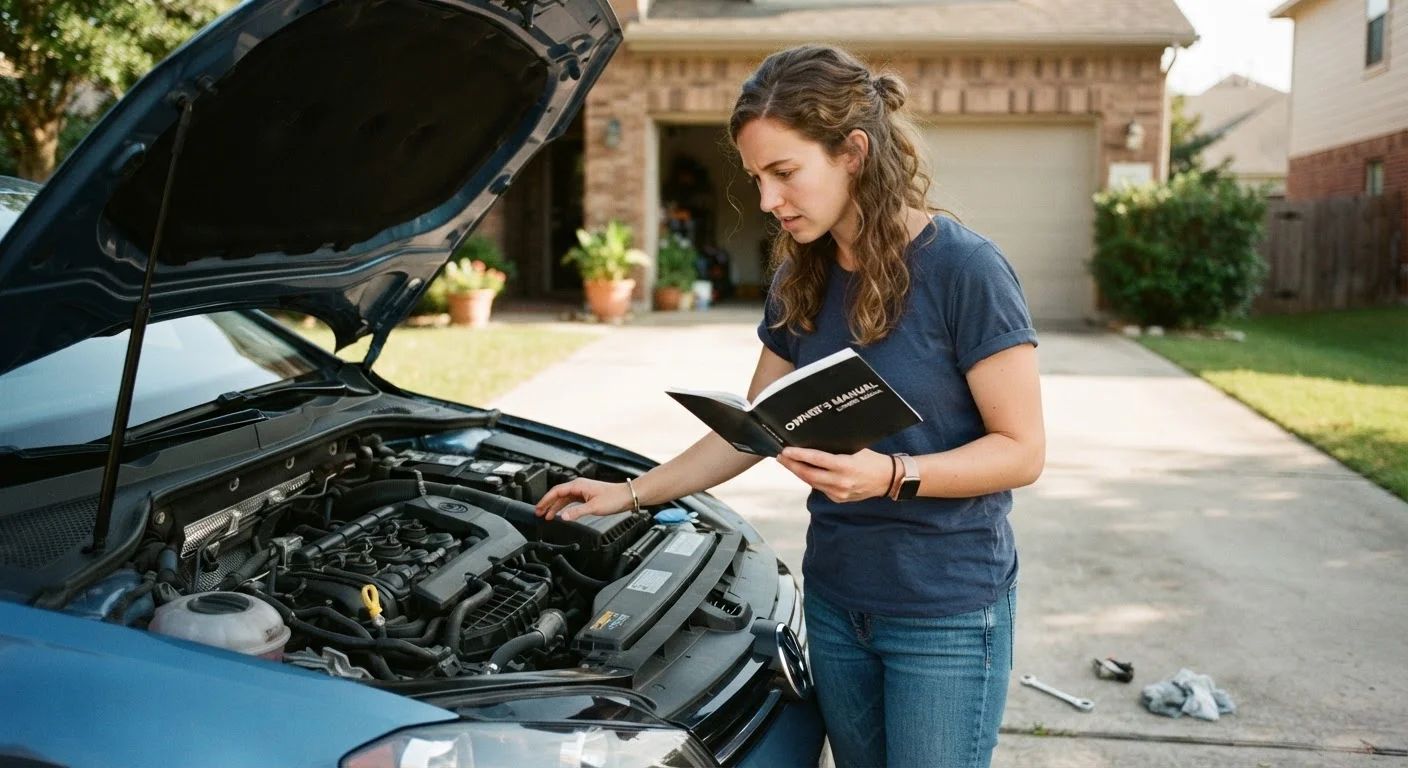
Photo: InsightsChief.com | Your Source Of Trusted Insights editorial
Key Takeaways
- Your owner's manual sets the authoritative maintenance schedule - follow it over generic advice.
- Skipping routine service rarely saves money; it typically creates larger, costlier repairs later.
- Several basic checks - tires, fluids, lights - can be done yourself with no special tools.
- Maintenance costs are predictable; tracking them helps you budget and avoid surprises.
- A few hundred dollars a year in routine service can prevent thousands in repair bills.
Why Routine Maintenance Matters More Than You Think
A car is a large mechanical system that wears down predictably. Unlike a sudden breakdown, most expensive failures start small - a neglected fluid, an ignored warning light, a tire run too low for too long. Routine maintenance is the practice of addressing those small issues on a schedule, before they compound.
For first-time owners, the mental shift is understanding that maintenance isn't an optional expense - it's a core part of what it costs to operate a vehicle safely. Car ownership costs go beyond the sticker price, and maintenance is one of the most controllable line items in that budget.
Deferred maintenance also affects safety directly. Worn brake pads extend stopping distances. Underinflated tires increase blowout risk. A failing battery leaves you stranded. The financial and personal consequences of ignoring routine service are almost always worse than the cost of the service itself.
The Core Tasks Every New Owner Needs to Know
The following are the maintenance tasks you will encounter most frequently as a new driver. Frequency varies by vehicle - always confirm specifics in your owner's manual.
Owner's manual
The booklet provided with your vehicle that contains the manufacturer's specifications, maintenance schedules, and operating instructions. It is the authoritative reference for your specific car.
Maintenance interval
The mileage or time period after which a specific service or inspection is due, as recommended by the vehicle manufacturer.
Tread depth
The measurement of the grooves in a tire that channel water away from the contact patch. Insufficient tread depth reduces traction, especially on wet roads.
Severe service
A driving pattern - including frequent short trips, stop-and-go traffic, towing, or temperature extremes - that accelerates wear and requires more frequent maintenance than normal conditions.
Deferred maintenance
Service that has been postponed past its recommended interval. Over time, deferred maintenance typically leads to more extensive and costly repairs.
Coolant (antifreeze)
A fluid circulated through the engine to regulate operating temperature. It prevents the engine from overheating in summer and freezing in winter.
Engine Oil
Oil lubricates engine components and dissipates heat. Over time it degrades and accumulates contaminants. An oil and filter change is the single most common maintenance task, and skipping it causes accelerated engine wear. Intervals vary widely: consult your manual rather than defaulting to the old 3,000-mile rule, which no longer applies to most modern vehicles.
Tires
Check pressure monthly - use the figure on the door jamb sticker, not the maximum listed on the tire sidewall. Rotate tires every 5,000 to 7,500 miles to even out wear. Inspect tread depth and sidewalls regularly. Alignment should be checked if you notice the car pulling to one side or after hitting a significant pothole.
Brakes
Brake pads wear gradually. Squealing or grinding sounds, a pulsating pedal, or longer stopping distances are common warning signs. Brake inspection is not a DIY task for most beginners - have a qualified mechanic check them during routine service.
Fluids
Beyond engine oil, your car relies on coolant, brake fluid, transmission fluid, and windshield washer fluid. Many can be visually checked at home. Low or contaminated fluid is often an early sign of a developing problem worth investigating.
Filters
The engine air filter prevents debris from entering the engine; cabin air filters keep the HVAC system clean. Both have relatively low replacement costs and straightforward intervals, typically every 15,000 to 30,000 miles depending on driving conditions.
Battery
Most car batteries last three to five years. A slow crank when starting, dimming lights, or frequent jump-start needs suggest the battery is approaching end of life. Symptoms that seem like a battery issue may also point to the alternator or starter - understanding the difference saves diagnostic time and money.
Understanding Maintenance Intervals
Maintenance intervals are the mileage or time benchmarks at which specific services are due. They exist because wear is cumulative, and some components degrade with time even if the car sits unused.
The definitive source for your vehicle's intervals is the owner's manual. Manufacturers publish a maintenance schedule that accounts for your specific engine, transmission, and intended operating conditions. A mechanic's general recommendation or an internet rule of thumb is a starting point - your manual is the authority.
Many vehicles also distinguish between normal and severe driving conditions. Severe service - frequent short trips, stop-and-go traffic, towing, or extreme temperatures - accelerates wear and requires shorter intervals. If your daily commute involves a lot of cold starts and city driving, you likely fall into the severe category even if it doesn't feel that way.
A closer look at how to read and apply your vehicle's maintenance schedule can help you decode the specific intervals in your manual and prioritize what matters most.
Set a Calendar Reminder, Not Just a Mileage Goal
What Gets Expensive When You Skip Service
Deferred maintenance compounds. A missed oil change accelerates engine wear; sludge builds up and eventually restricts oil flow to critical components. A neglected coolant flush can lead to a corroded cooling system and, in worst cases, a blown head gasket - a repair that can cost several thousand dollars on many vehicles.
Brakes provide another clear example. A worn brake pad costs relatively little to replace. A pad worn to metal-on-metal contact damages the rotor, sometimes beyond resurfacing, turning a modest pad replacement into a significantly more expensive job.
Tires present both a safety and a cost risk. Running a tire significantly underinflated increases rolling resistance, degrades fuel economy, and dramatically shortens tire life - and a blowout at highway speed is a serious safety event.
For drivers thinking about the long view, the discipline behind keeping a vehicle running reliably past 200,000 miles is directly tied to consistent maintenance. High-mileage vehicles are not accidents of luck.
Building a Maintenance Habit on a Tight Budget
The most effective budget strategy for maintenance is to treat it as a fixed, anticipated expense rather than a surprise. Keep a simple log - a notes app, a spreadsheet, or even a paper notebook - recording every service date, mileage, and cost. This makes it easy to track what's due and prevents double-spending on services that aren't needed yet.
Determine which tasks are genuinely within your skill level. Checking and correcting tire pressure, replacing wiper blades, and topping off washer fluid require minimal tools and carry low risk. A practical framework for deciding which tasks you can handle yourself versus when to use a shop can help you make that call honestly.
If you're weighing doing more yourself, understand both the savings and the genuine trade-offs before you pick up a wrench.
When using a shop, ask for an itemized estimate before authorizing work. You are entitled to understand what each line item covers and why it's recommended. You don't have to accept every upsell during a routine oil change - cross-reference recommendations against your owner's manual before agreeing to additional services.
This article provides general information about vehicle maintenance for educational purposes. It is not a substitute for advice from a qualified mechanic familiar with your specific vehicle. Always follow your manufacturer's guidelines and consult a professional for any maintenance task you are unsure about.
Frequently Asked Questions
The content provided on our blog site traverses numerous categories, offering readers valuable and practical information. Readers can use the editorial team’s research and data to gain more insights into their topics of interest. However, they are requested not to treat the articles as conclusive. The website team cannot be held responsible for differences in data or inaccuracies found across other platforms. Please also note that the site might also miss out on various schemes and offers available that the readers may find more beneficial than the ones we cover.