
The Complete Guide to Keeping a Car Running Reliably for 200,000 Miles

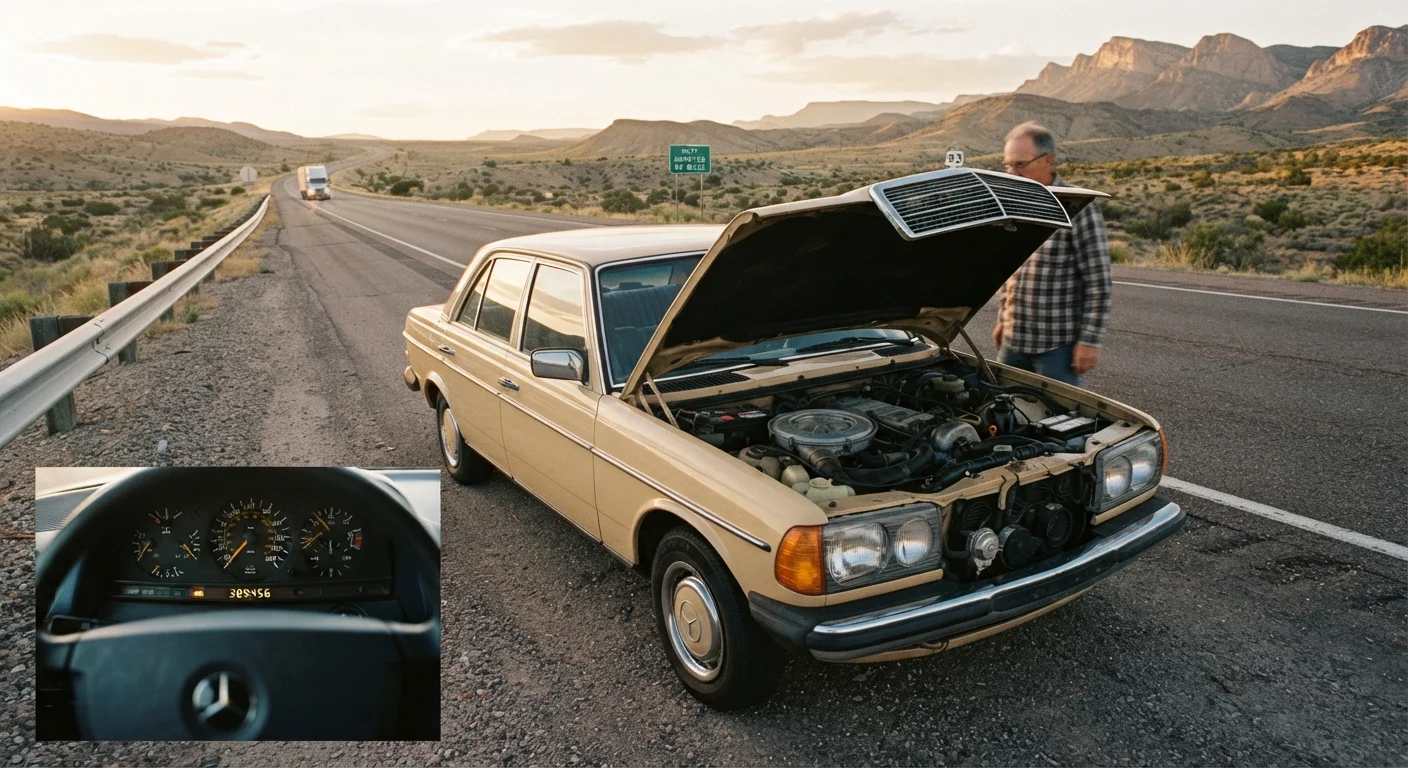
Photo: InsightsChief.com | Your Source Of Trusted Insights editorial
Key Takeaways
- Consistent oil changes and cooling system care are the single biggest factors in engine longevity.
- Most catastrophic failures are preceded by warning signs that attentive owners can catch early.
- A documented service history protects resale value and simplifies diagnosis for mechanics.
- DIY maintenance on simple tasks can reduce costs without sacrificing reliability.
- Tires and brakes are safety-critical and should never be deferred to cut costs.
Why 200,000 Miles Is a Realistic Goal
A generation ago, 100,000 miles was considered the threshold where a vehicle became a liability. Today, that milestone is closer to a midpoint. Improved manufacturing tolerances, synthetic lubricants, and longer-lasting materials mean many modern engines are engineered to exceed 200,000 miles - provided their owners hold up their end of the deal.
The gap between vehicles that reach high mileage and those that don't is rarely about luck or brand loyalty. It almost always comes down to maintenance consistency. Drivers who follow their vehicle's service schedule, address small problems promptly, and keep records of every service visit are the ones who eventually see that odometer roll past six figures twice.
For budget-conscious households, a reliable high-mileage vehicle is genuinely one of the best financial positions to be in: no car payment, predictable (though increasing) maintenance costs, and years of utility extracted from a sunk cost. See our year-round cost management guide for strategies that complement a long-term ownership approach.
The Maintenance Layers That Actually Matter
Not every maintenance item carries equal weight. A useful mental model is to think in three tiers: critical (skip these and you risk major mechanical failure), important (these protect longevity and safety but allow slightly more flexibility), and routine (comfort and convenience items that matter but rarely cause catastrophic damage if deferred briefly).
- Critical: Engine oil and filter, coolant, transmission fluid, timing belt/chain (where applicable)
- Important: Brake fluid, power steering fluid, air filter, spark plugs, belts and hoses
- Routine: Cabin air filter, wiper blades, battery terminals, tire rotation
Your owner's manual is the authoritative source for your specific vehicle's intervals - not the quick-lube shop's sticker on the windshield. If you're new to navigating a service schedule, the first-time owner's maintenance primer covers each task category in depth.
When your vehicle manufacturer lists two service intervals - one for 'normal' and one for 'severe' driving - most city drivers actually fall into the severe category. Stop-and-go traffic, short trips under five miles, and temperature extremes all qualify.
After any fluid service, check underneath the vehicle for drips or seepage 24-48 hours later. A drain plug not fully torqued or a filter cross-threaded during an oil change can cause catastrophic oil loss before your next maintenance visit.
Fluids: The Lifeblood of a Long-Lived Engine
Engine oil is the most important maintenance item, period. Oil lubricates moving parts, carries away heat, and suspends contaminants. As it degrades, it does all three jobs progressively worse. For most modern vehicles using full synthetic oil, intervals of 7,500-10,000 miles are reasonable; for conventional oil, 5,000 miles is a safer ceiling. Always follow your manufacturer's specification for viscosity grade.
Coolant (antifreeze) is equally consequential. A neglected cooling system is one of the leading causes of engine failure. Over time, coolant becomes acidic and begins corroding aluminum components. A full coolant flush every 5 years or 100,000 miles - whichever comes first - is a reasonable general guideline, though your manual may differ.
Transmission fluid is often overlooked because transmissions rarely give early warning before they fail dramatically. Automatic transmissions typically benefit from a fluid change every 30,000-60,000 miles under normal driving conditions; more frequently under towing or stop-and-go use. A transmission replacement can cost $2,000-$5,000 or more, making this one of the highest-ROI maintenance tasks a driver can perform.
$4,000-$7,000
Average cost of a rebuilt engine
Industry repair data consistently shows that engine replacement due to lubrication failure is among the most expensive single-event repairs a vehicle owner faces.
200,000+
Miles reached by well-maintained vehicles
Consumer reliability surveys indicate that vehicles with consistent documented maintenance histories are significantly more likely to reach or exceed 200,000 miles without major mechanical failure.
30-40%
Of roadside breakdowns linked to maintenance neglect
AAA roadside assistance data has historically attributed a substantial share of service calls to issues that routine maintenance - including tire care and fluid checks - could have prevented.
Tires, Brakes, and Suspension
These three systems are inseparable from vehicle safety, and neglecting any of them creates risk that goes beyond mechanical inconvenience.
Tires: Rotate every 5,000-7,500 miles to promote even wear. Check tire pressure monthly - underinflation increases rolling resistance, accelerates tread wear, and reduces fuel economy. Replace tires when tread depth reaches 2/32 of an inch (use the penny test: if Lincoln's head is fully visible, replace the tire).
Brakes: Brake pads typically last 30,000-70,000 miles depending on driving style and conditions. Squealing is an early warning; grinding means metal-on-metal contact and rotor damage is likely occurring. Brake fluid absorbs moisture over time and should be tested or replaced every 2-3 years.
Suspension: Worn shocks and struts don't just affect ride comfort - they compromise braking distance and handling. Have suspension components inspected any time you notice excessive bouncing, uneven tire wear, or the vehicle pulling to one side.
Catching Problems Before They Become Expensive
Most major failures announce themselves in advance. Learning to read those signals is one of the highest-value skills a car owner can develop.
- Warning lights: Never ignore a check engine light. Use an OBD-II reader (widely available for under $30) to read the diagnostic code before visiting a shop - it gives you informed footing in the conversation.
- Unusual sounds: Knocking from the engine, whining from the power steering, or grinding during braking all point to specific systems that warrant prompt attention.
- Fluid leaks: Note the color and location of any spots under your vehicle. Brown or black oil, green or orange coolant, clear brake fluid, and reddish transmission fluid each tell a different story.
- Changes in feel: Vibration at highway speeds, pulling under braking, or a spongy brake pedal are all actionable signals, not things to live with.
For any repair beyond your skill level, a qualified mechanic should perform the diagnosis and work. See our honest look at DIY maintenance trade-offs before deciding what to tackle yourself.
Keeping Costs Under Control Over the Long Haul
High-mileage ownership is ultimately a financial strategy. The goal is to spend predictable, modest amounts on maintenance while avoiding the large, unpredictable expenses that come from deferred care.
A few habits that consistently reduce lifetime vehicle costs:
- Build a maintenance fund. Setting aside a fixed monthly amount - even $50-$75 - smooths out the inevitable variability of car ownership and prevents deferred maintenance when money is tight.
- Get a second opinion on large repairs. For any quote above $500, a second estimate from an independent shop is a reasonable step. Labor rates vary significantly by region and shop type.
- Keep a service record. A documented history makes it easier for mechanics to diagnose problems, supports any warranty claim, and adds tangible value if you ever sell the vehicle. Our guide on why maintenance records matter explains how to build one efficiently.
Reaching 200,000 miles isn't about spending more - it's about spending consistently, on the right things, at the right time. The drivers who get there treat maintenance as an ongoing habit rather than a crisis response.
This article is for general informational purposes only. Maintenance intervals and costs vary by vehicle make, model, and driving conditions. Always consult your owner's manual and a qualified mechanic for guidance specific to your vehicle.
The content provided on our blog site traverses numerous categories, offering readers valuable and practical information. Readers can use the editorial team’s research and data to gain more insights into their topics of interest. However, they are requested not to treat the articles as conclusive. The website team cannot be held responsible for differences in data or inaccuracies found across other platforms. Please also note that the site might also miss out on various schemes and offers available that the readers may find more beneficial than the ones we cover.