
Airport Anxiety: What Actually Causes It and How to Settle Your Nerves

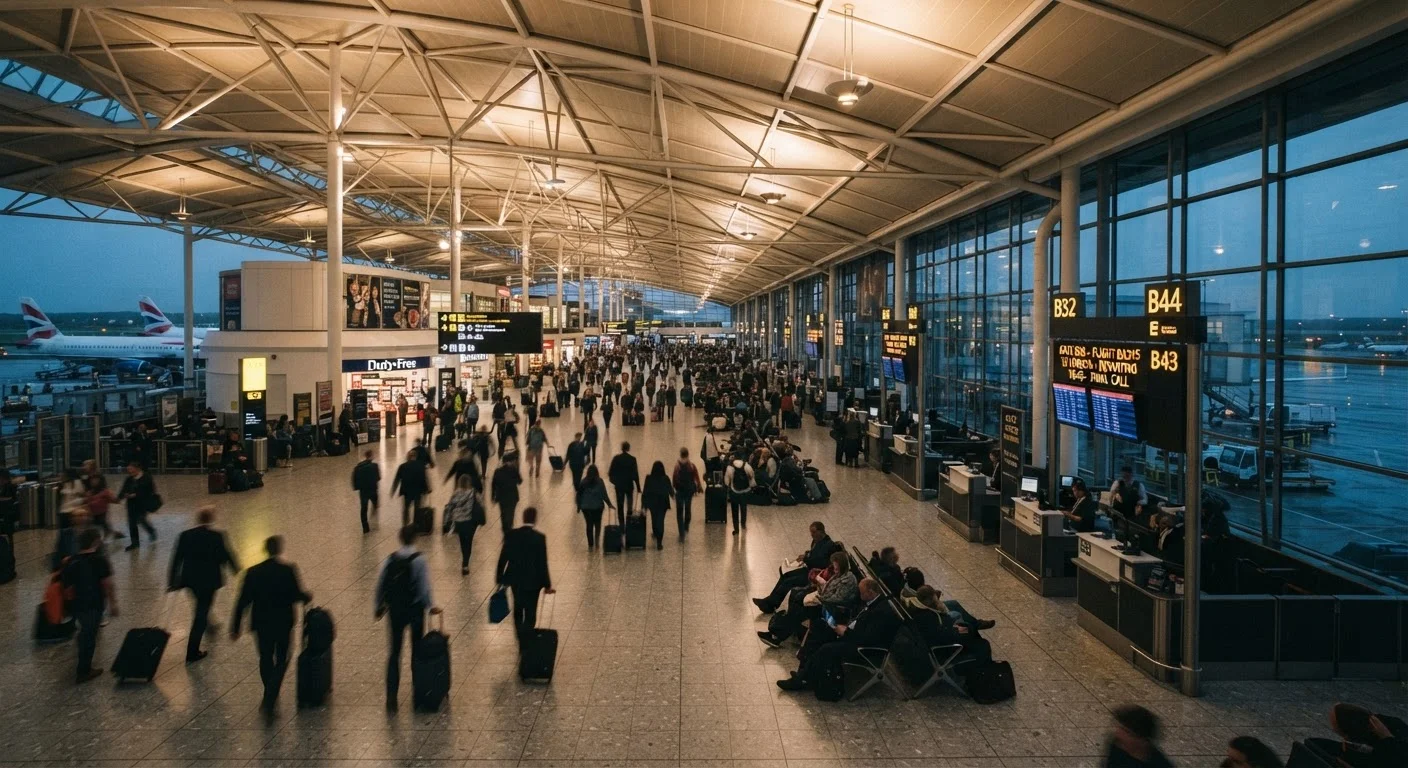
Photo: InsightsChief.com | Your Source Of Trusted Insights editorial
Key Takeaways
- Airport anxiety is common and stems from identifiable, addressable triggers - not personal weakness.
- Unpredictability, time pressure, and sensory overload are the three leading environmental causes.
- Preparation the night before significantly reduces in-airport stress on departure day.
- Breathing techniques can reduce acute stress symptoms in minutes without any equipment.
- Knowing what to expect at security removes one of the most common anxiety flashpoints.
- Persistent or severe anxiety warrants professional support, not just travel tips.
Why Airports Feel So Overwhelming
Airports are engineered around logistics, not human comfort. The combination of tight schedules, unfamiliar layouts, loud announcements, dense crowds, and high-stakes decisions creates a sensory and cognitive load that many people find genuinely difficult to manage - even seasoned travelers.
Three overlapping factors drive most airport anxiety:
- Time pressure: Missing a flight has real financial and logistical consequences, so the clock exerts genuine psychological weight from the moment you leave home.
- Unpredictability: Delays, gate changes, and security wait times are largely outside your control. Research in behavioral psychology consistently links perceived lack of control to heightened anxiety.
- Sensory overload: Bright lighting, constant announcements, long queues, and unfamiliar smells activate the body's alert system. For people already prone to overstimulation, airports can feel relentlessly hostile.
Understanding that your anxiety has identifiable causes - rather than being irrational - is itself useful. It shifts the question from "why am I like this?" to "which triggers can I address before or during the journey?"
Airport Anxiety vs. Fear of Flying: Know the Difference
The Security Checkpoint: A Known Flashpoint
For a large share of anxious travelers, the TSA security line is the single most stressful part of any airport visit. The combination of scrutiny, the need to perform a multi-step process correctly under time pressure, and the social visibility of any mistake creates a fertile environment for stress responses.
Reducing checkpoint anxiety is largely a preparation problem. Knowing exactly what to expect - which items to remove, how to arrange your carry-on, what to do with liquids - removes the cognitive uncertainty that feeds anxiety. The common slip-ups at airport security article walks through the recurring errors that slow lines and catch travelers off guard, which is worth reviewing before your next trip.
Practical steps that reduce checkpoint anxiety include wearing slip-on shoes, placing liquids and electronics in an accessible outer pocket, and mentally rehearsing the process before you arrive. Preparation reduces the chance of being singled out, and it reduces the mental effort required in the moment.
~25%
U.S. adults reporting significant fear of flying or airports
Estimates from anxiety research literature suggest roughly one in four adults experiences meaningful flight- or airport-related anxiety at some point in their lives.
40%
Reduction in perceived stress with sufficient buffer time
Behavioral studies on deadline pressure suggest that simply removing time urgency can cut perceived stress substantially, which is why early airport arrival is consistently recommended by travel psychology researchers.
4-6 min
Time for box breathing to reduce acute stress response
Research on controlled breathing techniques indicates measurable reductions in heart rate and cortisol-linked stress symptoms within a few minutes of practice.
Practical Strategies That Actually Help
Evidence-informed anxiety management for airports falls into two categories: things you do before you arrive, and things you do once you're inside.
Before You Arrive
The most consistent finding in travel stress research is that preparation has an outsized effect on in-airport calm. Running through a structured checklist the evening before your flight - documents, chargers, medications, carry-on compliance - eliminates a major source of mental churn on departure day. See the pre-travel checklist for a practical framework you can use the night before any trip.
Building in extra time is the other high-leverage move. Arriving early converts a high-stakes sprint into a relaxed walk. Time buffer is cheap and effective.
Once You're at the Airport
Controlled breathing is one of the few anxiety interventions you can deploy silently, immediately, and without any equipment. Box breathing - inhaling for four counts, holding for four, exhaling for four, holding for four - activates the parasympathetic nervous system and measurably reduces acute stress. Similar techniques are covered in everyday stress relief approaches that apply equally well in transit.
Other approaches worth using: noise-canceling headphones to reduce sensory load, a familiar podcast or playlist as an auditory anchor, and identifying a quieter gate area away from central foot traffic once you have cleared security.
Use Noise-Canceling Headphones as a Reset Tool
When Anxiety Doesn't Ease: Knowing Your Limits
Travel tips are useful for situational stress. They are not a substitute for professional support when anxiety is persistent, escalating, or beginning to affect decisions - such as avoiding travel entirely or experiencing panic attacks in transit.
Cognitive behavioral therapy (CBT) has a strong and well-documented evidence base for travel-related anxiety and phobias. A licensed mental health professional can help identify whether airport anxiety is a situational stress response or part of a broader pattern that merits structured treatment.
If you are new to solo air travel and feel generally uncertain rather than clinically anxious, the guide for first-time solo flyers offers a grounded orientation to what the airport process realistically looks like, which can reduce much of the fear-of-the-unknown that drives early-journey nerves.
And if your anxiety tends to peak when things go wrong mid-journey - a delay, a cancellation, an unexpected gate change - it helps to have a mental framework in place before disruption occurs. The practical approach to travel delays covers how to stay composed when the itinerary breaks down.
This article is for general informational purposes only and is not a substitute for professional mental health advice. If anxiety is significantly affecting your daily life or travel, please consult a licensed mental health professional.
Frequently Asked Questions
The content provided on our blog site traverses numerous categories, offering readers valuable and practical information. Readers can use the editorial team’s research and data to gain more insights into their topics of interest. However, they are requested not to treat the articles as conclusive. The website team cannot be held responsible for differences in data or inaccuracies found across other platforms. Please also note that the site might also miss out on various schemes and offers available that the readers may find more beneficial than the ones we cover.