
Stress Relief at Home: Approaches That Cost Little and Deliver Real Results

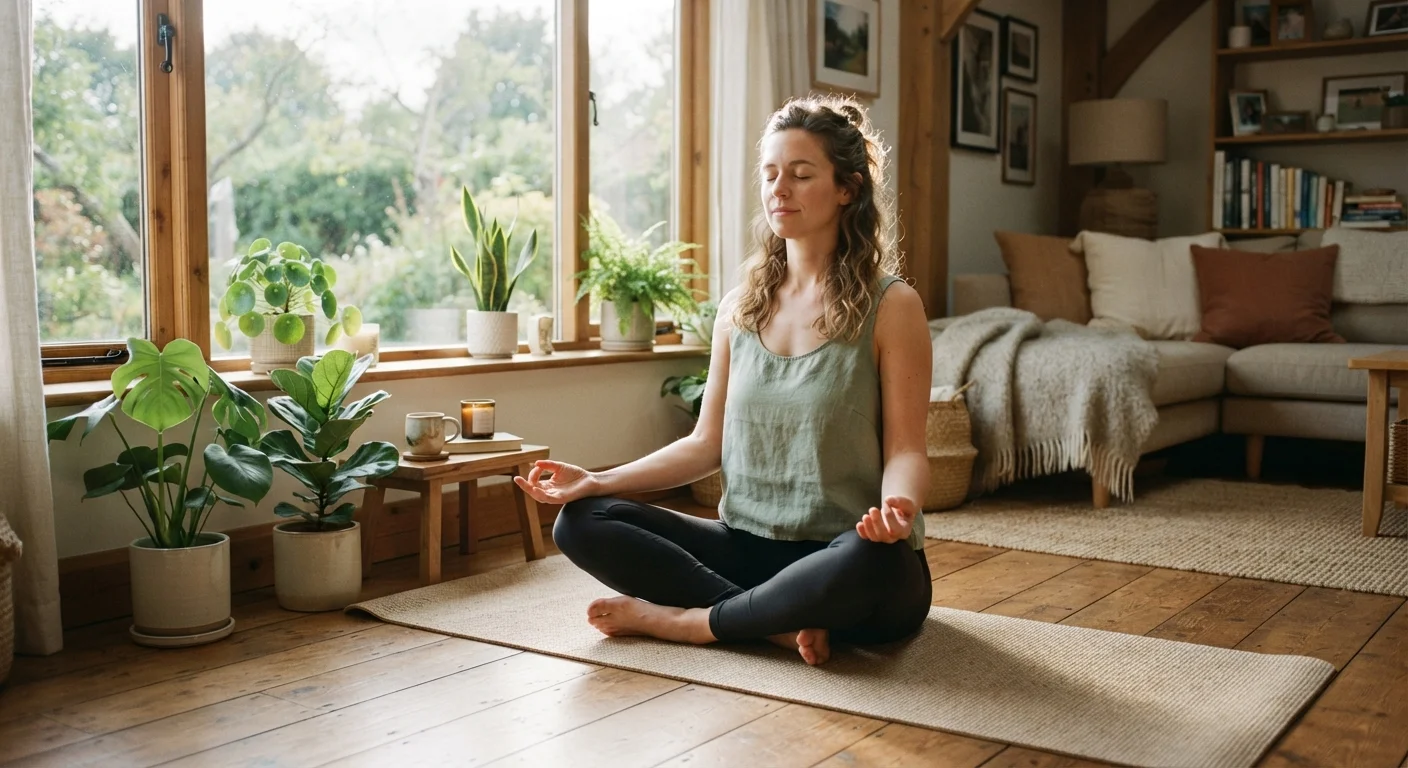
Photo: InsightsChief.com | Your Source Of Trusted Insights editorial
Key Takeaways
- Controlled breathing techniques can measurably reduce stress responses and cost nothing to practice.
- Short outdoor breaks - even 10 minutes - are associated with lower cortisol levels in research settings.
- Consistent daily routines reduce decision fatigue, a known contributor to chronic stress.
- Progressive muscle relaxation is a widely studied, equipment-free method for easing physical tension.
- Limiting news and social media exposure in the evening can meaningfully support sleep quality and mood.
- Journaling as little as a few minutes a day may help clarify anxious thoughts and reduce their intensity.
Why Low-Cost Stress Relief Is Worth Taking Seriously
Stress is a normal part of household life - tight budgets, packed schedules, and competing responsibilities all take a toll. The challenge isn't finding expensive solutions; it's identifying approaches that are grounded in evidence and realistic enough to actually use on a Tuesday afternoon. The good news: many of the most well-studied stress management techniques require nothing more than time and a willingness to practice them consistently.
The strategies below draw on established research in behavioral health and psychology. They are intended as general wellness information - not a substitute for guidance from a qualified healthcare professional, particularly if you're managing a diagnosed mental health condition. If stress feels unmanageable or persistent, please reach out to a licensed provider.
For households looking to build these approaches into a broader structure, understanding how routines reduce decision fatigue is a useful starting point.
Practice controlled breathwork
Slow, deliberate breathing is one of the most well-documented methods for activating the parasympathetic nervous system - the body's natural counterbalance to the stress response. Techniques such as diaphragmatic breathing (breathing deeply into the belly rather than the chest) and the 4-7-8 pattern (inhale for 4 counts, hold for 7, exhale for 8) have been studied in clinical settings and shown to reduce perceived stress and lower heart rate in healthy adults.
No equipment is required. Even three to five minutes practiced consistently can produce a noticeable effect. The key is regularity rather than duration - brief daily sessions tend to be more useful than occasional long ones.
Three to five minutes of deliberate breathing daily can measurably shift the body's stress response.
Take short outdoor breaks
Exposure to natural environments - even a neighborhood sidewalk lined with trees - is associated with reductions in the stress hormone cortisol and improvements in self-reported mood. Researchers sometimes refer to this as the "restorative environment" effect. A walk around the block or sitting outside for ten minutes isn't a luxury; it's a low-cost behavioral intervention with a meaningful body of supporting evidence.
The threshold for benefit appears to be lower than most people assume. Studies have found measurable effects from nature exposure as brief as 10-20 minutes, making this practical even for busy household schedules.
Even 10-20 minutes of outdoor exposure can reduce cortisol and improve mood, research suggests.
Try progressive muscle relaxation
Progressive muscle relaxation (PMR) involves sequentially tensing and then releasing major muscle groups throughout the body. Originally developed by physician Edmund Jacobson in the early 20th century, PMR has been extensively studied and is recommended in clinical guidelines for managing anxiety, insomnia, and tension headaches.
A full session takes 15-20 minutes and can be done lying down on a floor or bed. Free audio guides are available through many public library digital platforms. PMR is particularly useful for people who carry stress physically - tight shoulders, jaw clenching, or lower back tension are common indicators.
Progressive muscle relaxation is a clinician-recommended, zero-cost tool for easing physical tension caused by stress.
Limit evening news and screen time
Chronic news consumption and late-night social media scrolling are consistently linked to heightened anxiety and disrupted sleep - two factors that compound each other. Setting a deliberate boundary around screen exposure in the hour before bed isn't about avoidance; it's a behavioral strategy with solid support in sleep science.
Replacing that window with a calming activity - reading, light stretching, or conversation - helps signal to the body that the day is winding down. This kind of intentional transition is one of the simplest environmental adjustments a household can make without any financial outlay.
A deliberate screen-free window before bed is one of the simplest, most evidence-supported stress adjustments available.
Use expressive writing or journaling
Research by psychologist James Pennebaker and others has shown that writing about stressful experiences - without editing or self-censorship - can reduce their psychological intensity over time. Even brief sessions of five to ten minutes appear to help people externalize and process anxious thoughts rather than ruminating on them internally.
This doesn't require a structured journal or prompts. A scrap of paper works. The mechanism, researchers suggest, is that translating vague emotional states into specific language reduces their perceived threat. For households managing the pressures of tight budgets and competing demands, expressive writing offers a private, free outlet that builds emotional fluency over time.
Translating vague anxiety into written words has been shown to reduce its psychological intensity over repeated sessions.
Build predictable daily structure
Uncertainty is a primary driver of stress. When the shape of a day is unpredictable - when mealtimes, sleep schedules, and responsibilities shift constantly - the cognitive load compounds. Research on decision fatigue suggests that each unplanned choice draws on the same mental resources needed for emotional regulation.
Simple, consistent routines - a set wake time, a regular lunch break, a wind-down ritual at night - reduce that cognitive overhead. They don't need to be elaborate. Fitting physical activity into a structured daily schedule is one practical way to anchor a routine while also supporting stress relief through movement.
Predictable daily structure lowers decision fatigue - a key but often overlooked source of household stress.
Making These Habits Stick for the Whole Family
The most effective stress relief strategy is the one you'll actually keep doing. Research consistently shows that small, repeatable behaviors practiced daily outperform intensive but sporadic efforts. Pairing a new habit with an existing one - a few minutes of deep breathing right after morning coffee, for example - increases the likelihood it becomes automatic over time.
Start With One Habit, Not Six
Families can make these practices more sustainable by normalizing them across the household. Children who see adults engage in deliberate self-regulation tend to develop similar skills themselves. If sleep is part of your stress management picture, consistent quality rest plays a foundational role that's worth exploring further. For those ready to connect these habits into a fuller framework, building a family wellness routine from the ground up offers a practical place to start.
This article is for general informational and educational purposes only and does not constitute medical or mental health advice. Always consult a qualified healthcare professional for concerns about your personal health or wellbeing.
The content provided on our blog site traverses numerous categories, offering readers valuable and practical information. Readers can use the editorial team’s research and data to gain more insights into their topics of interest. However, they are requested not to treat the articles as conclusive. The website team cannot be held responsible for differences in data or inaccuracies found across other platforms. Please also note that the site might also miss out on various schemes and offers available that the readers may find more beneficial than the ones we cover.