
Travel Delays Don't Have to Derail Your Trip

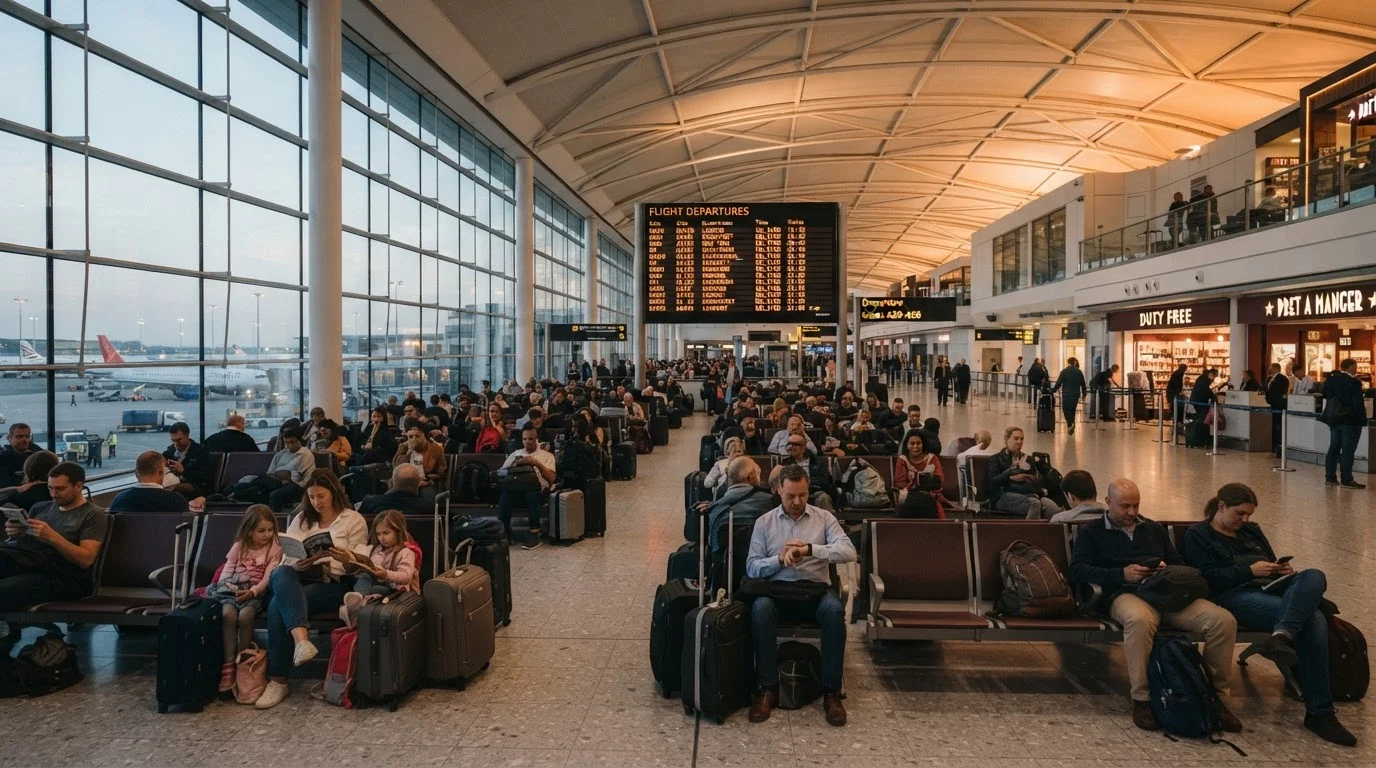
Photo: InsightsChief.com | Your Source Of Trusted Insights editorial
Key Takeaways
- Knowing your passenger rights before you fly gives you leverage when disruptions occur.
- Acting quickly at the first sign of a delay often unlocks better rebooking options.
- Keeping essentials in your carry-on protects you when checked bags are delayed or lost.
- Travel insurance can offset costs from cancellations, but policy terms vary widely - read carefully.
- Staying calm and polite with airline staff consistently produces better outcomes than confrontation.
Why Delays Hit Harder Than They Should
Flight delays and cancellations affect tens of millions of US travelers every year, yet most people board their flights without a plan for what to do when things go sideways. That gap between expectation and reality is what turns a minor schedule change into a full-blown travel crisis.
The frustration is understandable. A delayed connection means a missed hotel check-in, a lost day at a destination, or a scramble to notify family. But many of the worst outcomes - sleeping on an airport floor, paying out of pocket for a rebooking - are avoidable with a bit of advance preparation. See our night-before checklist for steps that set you up to handle disruptions more easily.
Preparation Is Your Best Delay Insurance
Best Practices for Managing Travel Delays
These approaches won't eliminate delays, but they give you meaningful control over what happens next.
Sign up for real-time flight status alerts as soon as you book.
Keep all critical documents and at least one day's essentials in your carry-on.
Call the airline's customer service line simultaneously with joining the gate rebooking queue.
Understand your travel insurance policy before you need it.
Stay calm and specific when speaking with airline staff.
Book connecting flights with generous layover times, especially for international travel.
Quick Actions to Take the Moment a Delay Is Announced
The first 15 minutes after a delay announcement are often the most valuable. Airlines release a limited number of rebooking slots, and early movers get priority access. Here's how to use that window well.
If airport anxiety compounds your stress during these moments, it helps to understand what's driving it. Our piece on airport anxiety and how to settle your nerves offers practical, evidence-informed strategies you can use on the spot.
Know What You're Owed - and What You're Not
US passenger protections are narrower than many travelers assume. The Department of Transportation requires airlines to refund passengers for canceled flights if they choose not to rebook - but there is no federal mandate requiring compensation for delays in the way some countries regulate it. That said, individual airline policies vary, and many do offer meal vouchers, hotel accommodations, or travel credits for significant delays caused by factors within their control.
US Passenger Rights: What the Rules Actually Say
Understanding this distinction matters because it changes how you negotiate at the gate. Asking specifically what the airline's policy covers - rather than what you feel entitled to - tends to produce more productive conversations. For a broader look at travel assumptions that don't always hold up, see travel myths that keep people overpaying and underprepared.
~20%
US flights delayed in recent years
Bureau of Transportation Statistics data consistently shows roughly one in five domestic flights arrives late, making delays a routine rather than exceptional event.
76%
of delays caused by controllable factors
Airline operational issues - aircraft maintenance, late-arriving planes, crew scheduling - account for a large share of delays, which may qualify passengers for carrier compensation under airline policy.
Build a Delay-Resilient Travel Habit
The travelers who handle disruptions best aren't the ones who get lucky - they've made deliberate choices before departure that give them options. Booking non-stop routes when feasible, choosing morning departures (which have the lowest delay rates statistically), and keeping a buffer day at either end of a trip are all structural ways to reduce the impact of any single delay.
For households watching travel budgets closely, it's worth noting that the downstream costs of a delay - a non-refundable hotel night, last-minute meals, alternative ground transport - can easily exceed what modest travel insurance would have cost. Our guide on strategies that stretch a travel budget further covers how to weigh these trade-offs as part of your overall planning. The goal isn't to prepare for every scenario, but to ensure that a common, predictable disruption doesn't unravel an otherwise well-planned trip.
“The single best thing a traveler can do is assume something will go wrong and decide in advance how they'll respond. Resilience in travel, as in most things, comes from preparation rather than optimism.”
— Travel Smart Editorial Team, Consumer travel research and planning guides
The content provided on our blog site traverses numerous categories, offering readers valuable and practical information. Readers can use the editorial team’s research and data to gain more insights into their topics of interest. However, they are requested not to treat the articles as conclusive. The website team cannot be held responsible for differences in data or inaccuracies found across other platforms. Please also note that the site might also miss out on various schemes and offers available that the readers may find more beneficial than the ones we cover.