
Things Travelers Commonly Get Wrong at Airport Security

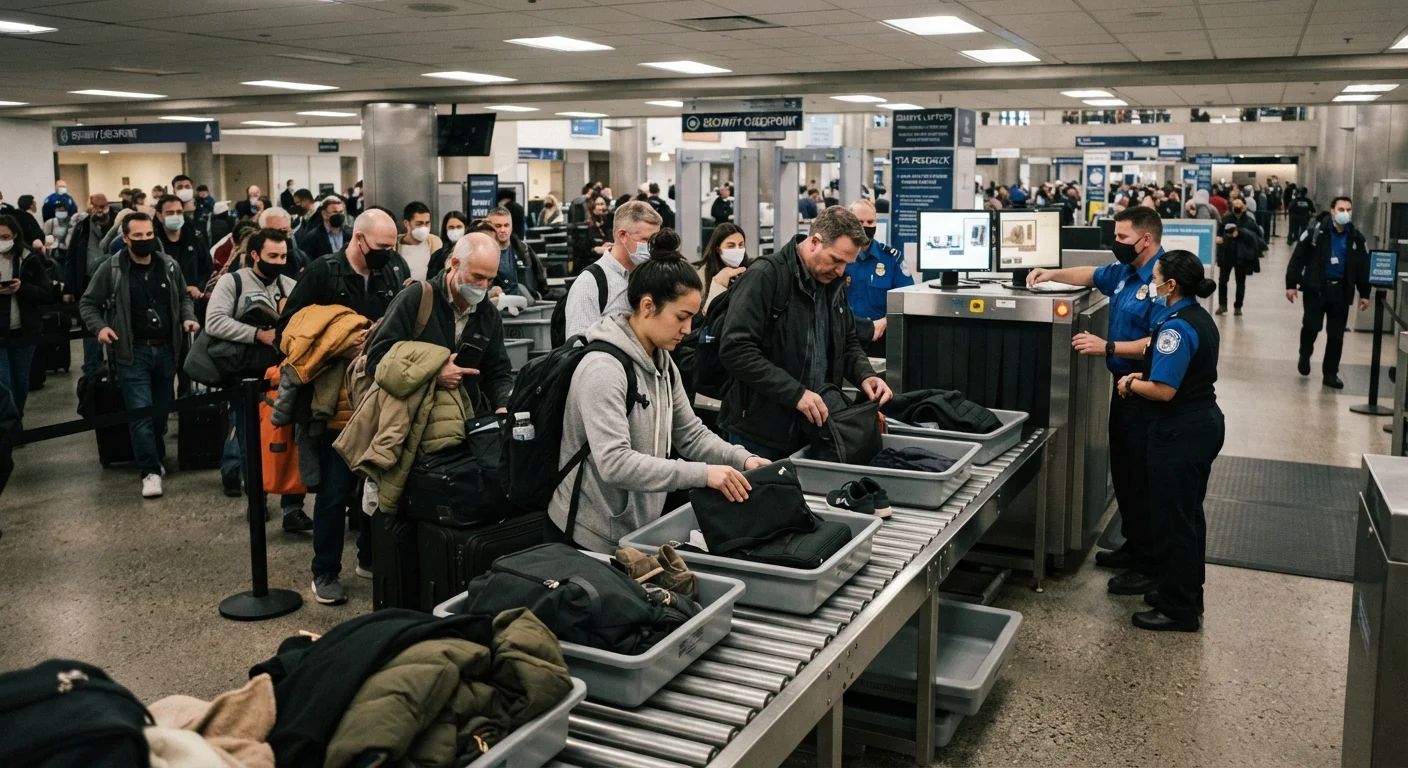
Photo: InsightsChief.com | Your Source Of Trusted Insights editorial
Key Takeaways
- Forgetting liquids in carry-on bags is the single most common cause of security delays.
- Electronics and large items must be removed from bags and placed in separate bins at standard checkpoints.
- Wearing minimal metal accessories and slip-on shoes dramatically speeds up the screening process.
- TSA PreCheck or similar trusted traveler programs eliminate most of the common friction points.
Why Security Lines Slow Down
For most travelers, airport security is the most unpredictable part of the journey. Even seasoned flyers get flagged for something avoidable. The frustrating truth is that the vast majority of hold-ups trace back to a short list of recurring mistakes - not unusual items or random screening - and nearly all of them are preventable with a bit of preparation.
If you've ever watched a line grind to a halt because someone's bag needed a full manual search, you've seen these mistakes play out in real time. Understanding what screeners are actually looking for, and why certain habits trigger additional screening, is the first step to moving through quickly and confidently. For a broader look at how to prepare the night before departure, see this pre-travel checklist.
Leaving liquids packed inside the main compartment of a carry-on bag.
Leaving laptops and large electronics inside a bag during screening.
Wearing heavy metal accessories, belts, or complex footwear through the scanner.
Carrying prohibited or ambiguous items without checking the rules first.
Not having ID and boarding pass ready before reaching the document check.
Overpacking carry-on bags so items appear jumbled and unclear on the X-ray.
Habits That Make a Real Difference
Once you understand the patterns behind security delays, the fixes are straightforward. Pack your carry-on with the checkpoint in mind, not just your destination. Keep your liquids bag accessible - ideally in an outer pocket - so you're not unpacking everything at the bin. If you travel more than a few times a year, enrolling in a trusted traveler program such as TSA PreCheck is worth evaluating; it removes most of the friction described above for eligible travelers.
Don't Assume Rules Are Universal
It's also worth noting that checkpoint rules can vary by airport and by country. What applies at a U.S. domestic terminal may differ internationally. Always verify current requirements through the official Transportation Security Administration (TSA) website or the relevant authority for your departure country before you fly - especially for unusual items like sports equipment, medical devices, or large quantities of cash.
Security stress often compounds broader airport anxiety. If the checkpoint itself triggers significant worry, understanding what actually causes airport anxiety can help you approach it with more calm. And if you want to make sure no travel prep detail falls through the cracks, consider the night-before-flight checklist as a regular routine.
~4,600
Items confiscated at U.S. checkpoints daily
The TSA has reported confiscating millions of prohibited items annually, averaging thousands per day across U.S. airports - most commonly liquids over the limit and prohibited sharp objects.
15-20 min
Average time lost per secondary screening
Industry estimates suggest that a secondary bag check or manual pat-down adds roughly 15 to 20 minutes to a traveler's checkpoint time, enough to cause a missed connection on a tight layover.
The goal isn't to become an expert on every regulation - it's to build a few repeatable habits that make the checkpoint feel routine rather than stressful. Most delays aren't caused by ignorance; they're caused by rushing, distraction, or skipping preparation. Slow down the night before so you can move quickly on the day.
The content provided on our blog site traverses numerous categories, offering readers valuable and practical information. Readers can use the editorial team’s research and data to gain more insights into their topics of interest. However, they are requested not to treat the articles as conclusive. The website team cannot be held responsible for differences in data or inaccuracies found across other platforms. Please also note that the site might also miss out on various schemes and offers available that the readers may find more beneficial than the ones we cover.