
Places Shoppers Overlook When Hunting for Promo Codes

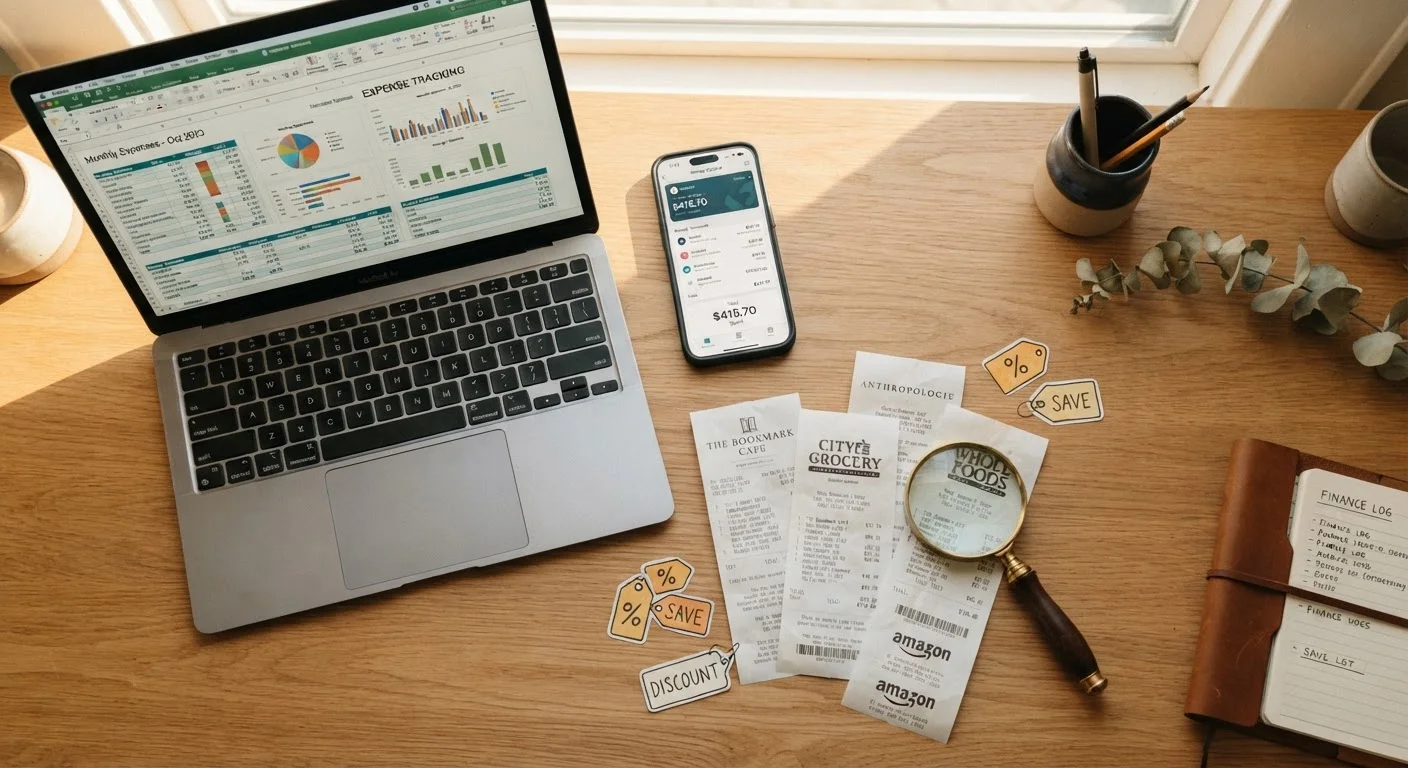
Photo: InsightsChief.com | Your Source Of Trusted Insights editorial
Key Takeaways
- Retailer email newsletters frequently contain exclusive codes not published anywhere else.
- Checkout pages, confirmation emails, and live chat windows often surface hidden discounts.
- Social media posts and community forums are underrated real-time sources for working codes.
- Stacking multiple discount sources - codes plus cashback - can multiply your total savings.
- Many valid codes are time-sensitive, so checking closer to purchase typically yields fresher results.
Why the obvious sources keep failing you
Most deal-seekers follow the same path: search for a promo code on a major aggregator site or activate a browser extension, hope something works, and move on if it doesn't. That approach misses a significant portion of valid discounts that simply never appear in those channels. To understand why, it helps to know how retailers structure discount codes in the first place - many are intentionally distributed through narrow channels to control redemption. The seven places below are consistently underused, and each requires nothing more than a change of habit.
The retailer's own email welcome series
When you subscribe to a retailer's email list, many brands automatically trigger a welcome sequence that includes a first-purchase discount - sometimes 10-20% off. This code often never appears on coupon aggregator sites because it's tied to a unique subscriber link or a short expiration window. The practical move: create a dedicated email address for shopping subscriptions, sign up just before you're ready to buy, and check your inbox within minutes.
Welcome emails often carry exclusive first-purchase codes that never reach aggregator sites.
The retailer's own social media comments and stories
Brands routinely post promo codes directly in Instagram captions, Facebook posts, or TikTok videos - especially around product launches or sales events. Followers who engage with comments sometimes receive additional codes from community managers. Searching a brand's handle or hashtag on any platform just before checkout can surface codes that are hours old and still active, which is fresher than most coupon databases.
Brand social posts can surface codes that are hours old - fresher than most coupon databases.
Reddit threads and niche deal communities
Subreddits dedicated to specific retailers, product categories, or general deal-hunting are maintained by users who post working codes in real time. Unlike aggregator sites that may list expired codes for SEO value, community members quickly flag codes as expired or confirm they've worked. Searching a retailer's name alongside terms like "promo code" or "discount" in these forums often returns results within the past 24 hours.
Community members flag expired codes fast - making forums more reliable than many aggregator sites.
The abandoned-cart email sequence
If you add items to a cart, enter your email during checkout, and then leave without purchasing, many retailers automatically send a follow-up email within a few hours. A subset of those emails include a discount code to bring you back. This isn't guaranteed - and it's worth understanding that how retailers structure these discounts varies by brand - but it's a legitimate, passive way to receive a code you wouldn't have found otherwise.
Leaving a cart after entering your email can trigger a discount follow-up from many retailers.
Live chat and customer service windows
Opening a retailer's live chat and asking directly - "Is there a current promo code I can use?" - works more often than most shoppers expect. Customer service agents frequently have access to retention or goodwill codes not published externally. This approach works especially well if you mention you're comparing prices or considering a purchase but are on a tight budget. The worst outcome is a polite "no."
Asking live chat agents directly for a code works more often than most shoppers expect.
Order confirmation and post-purchase emails
After completing a purchase, many retailers send a confirmation email that includes a code for your next order - sometimes buried below shipping details. These referral or loyalty codes are easy to miss in the post-purchase moment. Building a habit of scanning confirmation emails before archiving them means you're building a personal inventory of valid codes for future use. Pair these with cashback and rewards programs to compound your savings on the next order.
Confirmation emails often bury a next-purchase code below the shipping details - don't archive them unread.
Loyalty program portals and member dashboards
If you're enrolled in a retailer's loyalty program, the member dashboard often contains personalized offers and codes that aren't broadcast publicly. These are generated based on your purchase history and are frequently more generous than general promotions. Many shoppers sign in only to check point balances and completely miss the "offers" or "coupons" tab sitting in the same interface.
Loyalty dashboards often hide personalized codes more generous than anything posted publicly.
Stacking codes and cashback
Putting it all together
The shoppers who consistently pay less aren't necessarily using better tools - they're checking more places and doing so at the right moment. Aggregator sites and browser extensions covered in browser extensions vs. coupon websites remain useful starting points, but layering in the sources above fills the gaps those tools routinely miss.
Time your search close to checkout
If a code you find doesn't work at checkout, don't stop there - common reasons promo codes fail are well-documented and often fixable. And for a full system that ties sourcing, stacking, and timing together, the complete coupon playbook is a practical next step. Timing your shopping around known discount windows - outlined in the seasonal shopping calendar - gives you even more leverage once you know where to find the codes.
The content provided on our blog site traverses numerous categories, offering readers valuable and practical information. Readers can use the editorial team’s research and data to gain more insights into their topics of interest. However, they are requested not to treat the articles as conclusive. The website team cannot be held responsible for differences in data or inaccuracies found across other platforms. Please also note that the site might also miss out on various schemes and offers available that the readers may find more beneficial than the ones we cover.