
Small-Space Home Fitness: A Room-by-Room Reference

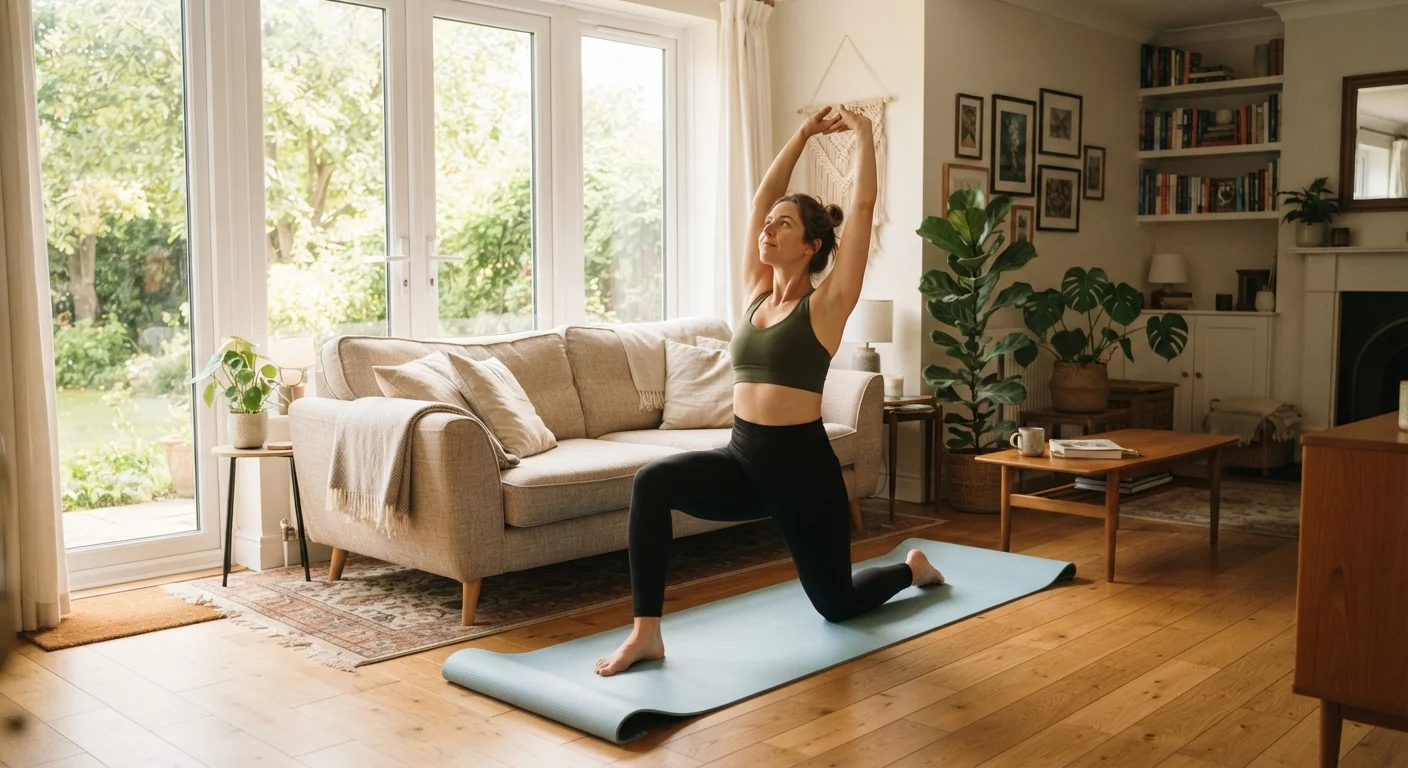
Photo: InsightsChief.com | Your Source Of Trusted Insights editorial
Why Small Spaces Are Not a Fitness Barrier
One of the most persistent myths about home fitness is that you need a dedicated room, expensive equipment, or at least a sprawling open floor plan to work out effectively. Physical activity research consistently shows that bodyweight training, mobility work, and cardiovascular intervals can be completed in as little as a 6-by-6-foot clear area - roughly the size of a standard bathroom.
For budget-conscious families, this matters. Gym memberships, fitness classes, and home equipment add up quickly. A room-by-room approach lets every household member find a usable zone without reorganizing the entire home or spending a dollar on gear. Before jumping in, it's worth reviewing basic safety checks to clear space properly and reduce injury risk.
Room-by-Room Exercise Reference
Living Room
The living room is typically the largest open area in a home, making it the most versatile fitness zone. Push-ups, squats, lunges, and core work like planks and glute bridges need only a cleared section of floor. Sofas and sturdy chairs can support seated or standing exercises - but confirm the furniture is stable before adding any body weight. High-knees, jumping jacks, and lateral shuffles add cardiovascular intensity without requiring any equipment.
Bedroom
Bedrooms offer a more private setting, which many people find easier for early-morning or late-night sessions. The area beside or at the foot of the bed typically works well for mat-based movements: stretching, yoga flows, and Pilates-style core sequences. Avoid exercising on top of a mattress, as the unstable surface increases joint stress. A standard yoga mat on a hard floor next to the bed is sufficient for most routines.
Kitchen
Counter edges provide a stable surface for standing exercises that benefit from light support - calf raises, standing hip extensions, or balance drills. The kitchen is also a practical place for short movement breaks during cooking, since it naturally interrupts sedentary time. Keep the floor clear of spills before any movement, and avoid footwear with poor grip on tile or vinyl.
Hallway
Narrow hallways limit lateral movement but work well for forward-and-back patterns: walking lunges, bear crawls, and inchworms are all effective in a corridor of 8 feet or longer. Wall-supported exercises - such as wall sits and shoulder presses using bodyweight - are well-suited to tight spaces. The hallway is also a natural path for brisk walking intervals if outdoor access is limited.
Stairs
A single flight of stairs is one of the most underused fitness tools in a home. Step-ups, stair climbing at varying paces, and calf raises on a step all build lower-body strength and cardiovascular endurance. Hold the railing at first and progress gradually. Individuals with knee concerns should consult a healthcare provider before incorporating stair exercises into a routine.
Bathroom or Small Utility Space
Even the smallest interior room can support micro-sessions: wall sits, calf raises while waiting for water to warm, or standing core exercises like dead bugs performed carefully in a tight space. These brief efforts accumulate meaningfully over a day - a concept sometimes called exercise snacking. See time-efficient fitness strategies for more on how short bouts add up.
A Note on Stair Safety for Specific Populations
Making It Work for the Whole Family
Different family members will gravitate toward different rooms and movement types. Children often prefer open-floor games in living rooms; teenagers may want the privacy of a bedroom; adults juggling childcare may find kitchen counter exercises the only realistic option during certain hours. Building a shared family routine starts by acknowledging these preferences rather than imposing a single format.
Household items can extend what's possible in any room. A practical guide to improvised equipment covers which everyday objects are genuinely safe substitutes and which ones to avoid. For family members at different life stages, age-appropriate exercise guidance helps tailor intensity and movement selection appropriately.
This article is for general informational purposes only and does not constitute medical advice. Consult a qualified healthcare professional before starting or changing any exercise program, especially if you have existing health conditions or concerns.
The content provided on our blog site traverses numerous categories, offering readers valuable and practical information. Readers can use the editorial team’s research and data to gain more insights into their topics of interest. However, they are requested not to treat the articles as conclusive. The website team cannot be held responsible for differences in data or inaccuracies found across other platforms. Please also note that the site might also miss out on various schemes and offers available that the readers may find more beneficial than the ones we cover.