
Home Fitness Safety: What to Check Before Every Session

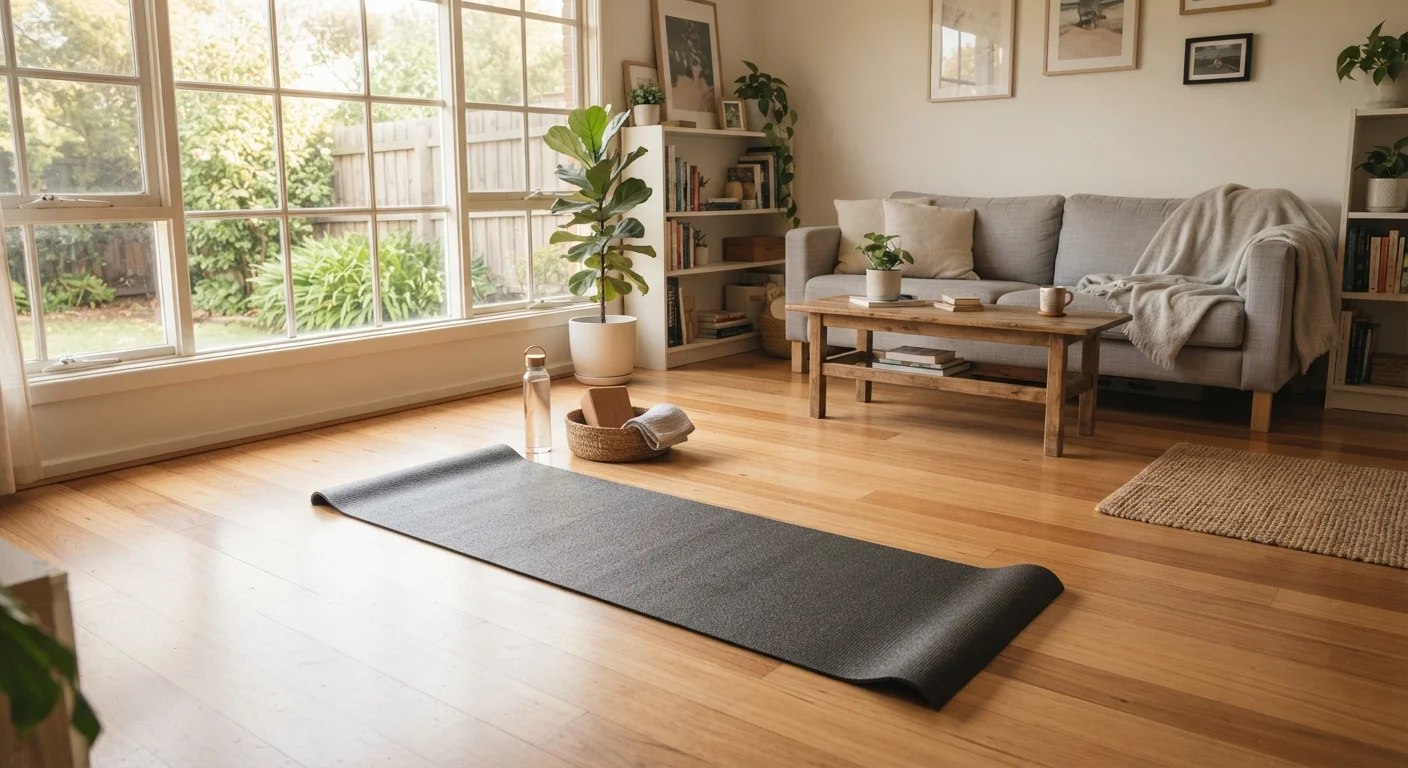
Photo: InsightsChief.com | Your Source Of Trusted Insights editorial
Key Takeaways
- Clearing your workout space of clutter and hazards is the single most preventable cause of home exercise injury.
- Equipment - even improvised household items - should be inspected for damage or instability before every use.
- Hydration and a brief warm-up are non-negotiable steps, not optional extras.
- Knowing your personal warning signs during exercise allows you to stop safely before a minor issue becomes serious.
- Children and pets in the home require additional safety planning before any session begins.
Why a Pre-Session Check Matters
Home workouts offer real freedom - no commute, no membership fees, and the flexibility to fit movement into an already packed day. But that same informality can create blind spots. Without a gym attendant checking equipment or a class instructor scanning the room, safety responsibility falls entirely on you.
A consistent pre-session routine takes less time than a warm-up and pays dividends in injury prevention. Whether you follow a structured family fitness plan or exercise solo in whatever space you have, this checklist applies every time.
This article is for general informational purposes only and does not constitute medical advice. Consult a qualified healthcare professional before beginning any new exercise program, particularly if you have an existing health condition.
Space Preparation
Equipment Inspection
Personal Readiness
Environment and Emergency Readiness
Tools and Equipment You May Need
You do not need specialized gear to exercise safely at home. What matters is that whatever you use - purpose-built or improvised - is stable, appropriately sized, and in good condition. If you rely on household objects as workout props, our guide on turning household objects into exercise equipment outlines what works and what carries hidden risk.
Non-Slip Exercise Mat
Provides a defined, stable, and cushioned surface for floor exercises, reducing slip risk and joint impact.
Resistance Bands
Used for strength and mobility work; must be inspected each session for signs of wear or damage.
Supportive Athletic Footwear
Reduces ankle roll and impact stress during dynamic or weighted movement on hard floors.
Water Bottle
Keeps hydration accessible throughout the session without interrupting flow.
First-Aid Kit
On-hand for minor cuts, strains, or sprains that can occur during any physical activity.
Stable Chair or Bench
Used for supported exercises such as step-ups, incline push-ups, or seated movements - must be non-sliding and load-bearing.
Warning Signs to Respect During Exercise
Even after a thorough pre-session check, your body will continue to send signals during exercise. Knowing how to read them - and acting on them - is part of safe home fitness.
Stop Immediately for These Symptoms
Symptoms to stop for immediately include sharp or sudden joint pain, chest tightness or discomfort, dizziness or lightheadedness, shortness of breath disproportionate to your effort level, and heart palpitations. Muscle fatigue and mild breathlessness during vigorous effort are normal; these symptoms are not. Stop, rest, and seek medical evaluation if they occur. Do not attempt to push through them.
For households fitting exercise into genuinely short windows, evidence-informed strategies for tight schedules can help you train efficiently without compromising these safety fundamentals.
Special Populations: Always Consult First
The content provided on our blog site traverses numerous categories, offering readers valuable and practical information. Readers can use the editorial team’s research and data to gain more insights into their topics of interest. However, they are requested not to treat the articles as conclusive. The website team cannot be held responsible for differences in data or inaccuracies found across other platforms. Please also note that the site might also miss out on various schemes and offers available that the readers may find more beneficial than the ones we cover.