
Getting Started with Home Fitness When You've Never Exercised Regularly

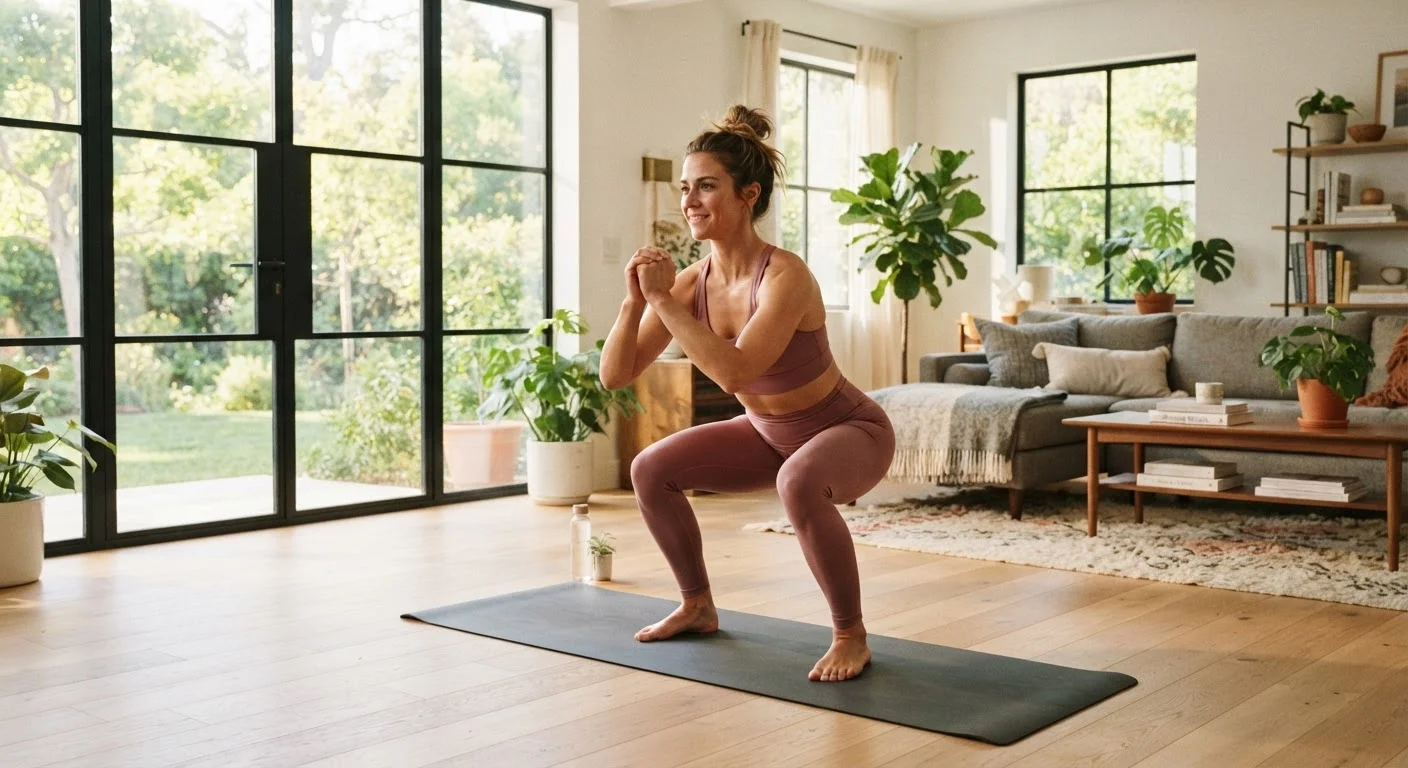
Photo: InsightsChief.com | Your Source Of Trusted Insights editorial
Key Takeaways
- You need no equipment to begin a safe, effective home fitness routine as a beginner.
- Mastering five fundamental movement patterns builds a durable foundation for long-term fitness.
- Consistency over intensity is the principle that matters most in the early weeks.
- Clearing a small safe space and checking your environment before each session reduces injury risk significantly.
- Starting with two or three sessions per week gives your body adequate time to recover and adapt.
- Always consult a qualified healthcare professional before starting any new exercise program, especially if you have existing health conditions.
Why Home Fitness Works for Beginners
For anyone who has never exercised regularly, the gym can feel intimidating - crowded floors, unfamiliar machines, and the social pressure of performing in public. Home fitness removes those barriers entirely. You control the environment, the schedule, and the pace.
There is also a practical financial case. Gym memberships carry monthly costs that add up over a year, whereas a cleared patch of floor costs nothing. If you eventually want to add equipment, everyday household items can cover the basics - our guide on turning household objects into exercise equipment explains what works and how to stay safe.
For families, home fitness has an additional advantage: it normalizes movement as part of daily life rather than a separate, scheduled obligation. When children see caregivers exercising at home, physical activity becomes a shared household value rather than a chore.
Bodyweight exercise
Physical movement that uses your own body's weight as resistance, requiring no equipment. Examples include squats, push-ups, and lunges.
Progressive overload
Gradually increasing the challenge of exercise over time - through more repetitions, slower tempo, or reduced rest - so the body continues to adapt and improve.
Recovery
The period between exercise sessions when the body repairs muscle tissue and adapts to training. Adequate rest is essential for progress and injury prevention.
Movement pattern
A category of motion - such as squatting, hinging, or pushing - that describes how the body moves rather than a specific exercise. Training patterns builds broadly transferable fitness.
Warm-up
A brief period of gentle movement before more intense exercise, designed to increase blood flow, raise muscle temperature, and reduce injury risk.
Neutral spine
The natural, slightly curved alignment of the spine that distributes load safely across the vertebrae. Maintaining it during exercise reduces back injury risk.
Setting a Realistic Mindset Before You Start
The most common reason beginners abandon new routines is starting with expectations that outpace reality. Early exercise rarely feels good immediately - mild muscle soreness, breathlessness, and awkwardness are normal physiological responses to unfamiliar movement, not signs that something is wrong.
Researchers who study behavior change consistently find that identity-based habits - thinking of yourself as someone who moves regularly - are more durable than goal-based ones alone. Framing your effort as "I am building a movement practice" rather than "I need to lose weight by a deadline" tends to sustain engagement longer.
Set a process goal for your first four weeks: show up for your scheduled sessions. Outcomes - improved endurance, strength, body composition - follow consistency, and consistency precedes them. If time is a genuine constraint, the principles in our article on home fitness on a tight schedule can help you find realistic windows in your week.
Start Smaller Than You Think You Should
The Five Basic Movement Patterns Every Beginner Needs
Rather than memorizing dozens of exercises, beginners benefit most from understanding the fundamental patterns that underlie almost all movement. Practicing these consistently builds a broad physical foundation.
- Squat: Bending at hips and knees while keeping the chest upright. Trains the legs and core, and mirrors everyday tasks like sitting and standing.
- Hinge: Pushing the hips back while maintaining a neutral spine. The foundation of safe bending and lifting. A bodyweight Romanian deadlift is a good starting version.
- Push: Moving resistance away from the body. Wall push-ups or incline push-ups against a countertop are accessible starting points.
- Pull: Drawing resistance toward the body. Resistance bands or improvised options make beginner pulling movements possible at home.
- Carry / Core bracing: Moving while maintaining a stable trunk. Farmer's carries with household items or plank holds both develop this capacity.
Each session does not need to include all five patterns, but rotating through them across the week ensures balanced development and reduces the risk of overuse in any single area. For a room-by-room breakdown of exercises that use these patterns, see our small-space home fitness reference.
Safety Essentials for Exercising at Home
Home environments introduce specific safety considerations that gyms handle automatically. Before each session, take a moment to check your space: clear the floor of objects that could cause a trip, ensure adequate lighting, and confirm you have enough overhead clearance for movements like jumping jacks or overhead reaches.
Footwear matters more than many beginners expect. Exercising in socks on smooth floors significantly increases slip risk. Supportive athletic shoes or bare feet on a non-slip mat are generally safer options.
Hydration and rest are not optional extras - they are safety inputs. Dehydration impairs coordination and increases injury susceptibility. Keep water accessible during sessions, especially in warm rooms.
Learn to distinguish productive discomfort - the muscular effort of working hard - from warning pain, which is sharp, joint-located, or unusual in character. Stop any exercise that produces the latter and, if symptoms persist, consult a healthcare professional. Our dedicated guide covers this in detail: home fitness safety before every session.
This article provides general health information and educational content only. It is not a substitute for personalized medical advice. Consult a qualified healthcare professional before beginning any new exercise program, particularly if you have existing health conditions, injuries, or concerns.
Building Your First Weekly Routine
A sustainable beginner routine prioritizes recovery as much as activity. Two to three sessions per week on non-consecutive days - for example, Monday, Wednesday, and Friday - allows adequate rest while building a consistent habit.
Each session can follow a simple structure:
- Warm-up (5 minutes): Gentle movement - marching in place, arm swings, hip circles - to raise body temperature and prepare joints.
- Main work (15-20 minutes): A selection of the five basic movement patterns, performed with attention to form rather than speed or load.
- Cool-down (5 minutes): Slow, static stretches held for 20-30 seconds each, focusing on the muscle groups worked.
Track sessions in a simple notebook or phone note. Seeing a record of completed workouts is one of the most underrated tools for maintaining momentum. After four consistent weeks, you may be ready to involve the rest of your household - our guide to building a family fitness routine at home offers age-appropriate strategies for every member.
Don't Skip Rest Days Early On
Frequently Asked Questions
The content provided on our blog site traverses numerous categories, offering readers valuable and practical information. Readers can use the editorial team’s research and data to gain more insights into their topics of interest. However, they are requested not to treat the articles as conclusive. The website team cannot be held responsible for differences in data or inaccuracies found across other platforms. Please also note that the site might also miss out on various schemes and offers available that the readers may find more beneficial than the ones we cover.