
Oil Change Intervals: What the Numbers on the Sticker Really Mean

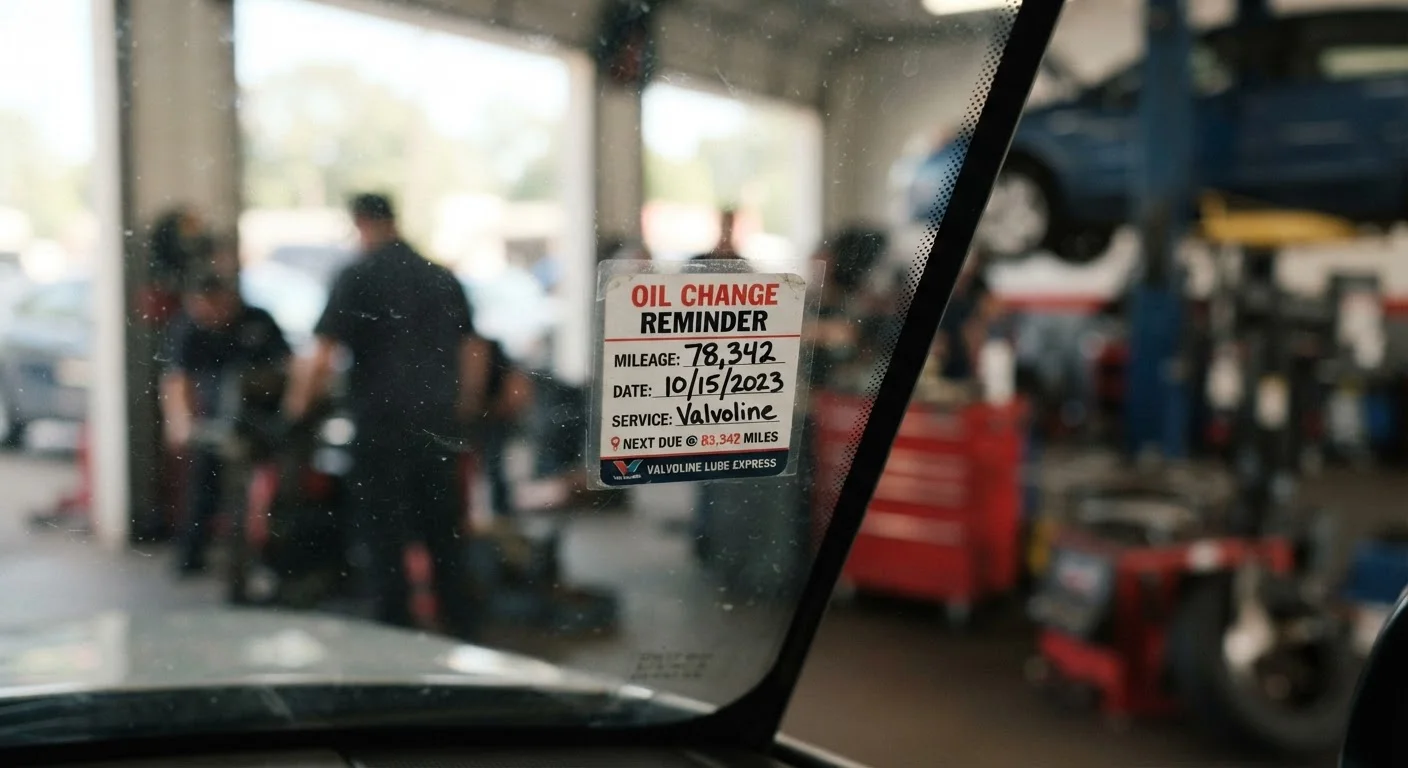
Photo: InsightsChief.com | Your Source Of Trusted Insights editorial
Key Takeaways
- The 3,000-mile oil change rule is outdated for most modern vehicles using current motor oils.
- Your owner's manual - not a quick-lube sticker - sets the correct oil change interval for your engine.
- Driving conditions like frequent short trips or extreme heat can shorten the interval your manufacturer recommends.
- Synthetic oil generally supports longer drain intervals than conventional oil, but specs vary by vehicle.
- Skipping oil changes is a leading cause of premature engine wear and costly repairs.
Where the 3,000-Mile Rule Came From
Decades ago, when conventional motor oil broke down faster and engine tolerances were looser, changing oil every 3,000 miles was reasonable advice. That guidance stuck - partly because quick-lube businesses found it commercially useful to keep it alive, and partly because cautious drivers assumed more frequent changes couldn't hurt.
Today, most passenger vehicles are engineered to go significantly longer between oil changes. Engine metallurgy has improved, oil formulations have advanced, and many vehicles now include an onboard oil-life monitoring system that calculates degradation based on actual driving data - not a fixed mileage counter. The sticker on your windshield from a service shop is often set to 3,000 miles regardless of what your vehicle needs. It reflects a business model more than an engineering specification.
For a fuller picture of how oil changes fit into your vehicle's overall care plan, see Your Car's Maintenance Schedule, Explained.
Myths vs. Facts: What Those Numbers Actually Mean
Several persistent misconceptions drive drivers to either over-service or under-service their engines. Working through the most common ones can help you make smarter, more cost-effective decisions.
Myth
You need to change your oil every 3,000 miles, no matter what.
Fact
Most modern vehicles require oil changes every 5,000 to 10,000 miles or more, depending on the oil type and manufacturer specifications.
This interval varies widely. A vehicle using full synthetic oil and carrying a manufacturer recommendation of 7,500 or 10,000 miles does not benefit from a 3,000-mile change - it's money spent without an engineering reason. Check your owner's manual for the number that applies to your specific make, model, and engine.
Myth
Dark-colored oil always means it needs to be changed immediately.
Fact
Oil darkens quickly as it does its job of suspending combustion byproducts - color alone is not a reliable indicator of whether it's still protective.
Motor oil is designed to keep contaminants in suspension and away from engine surfaces. Some darkening within the first few hundred miles after a change is normal and expected. What matters is whether the oil has reached the end of its additive life, which is best tracked by mileage, time, or an oil-life monitoring system - not by color on the dipstick.
Myth
Synthetic oil causes leaks in older engines, so you should stick with conventional.
Fact
Modern full synthetic oils do not cause seals to shrink or leak; older formulations sometimes contained chemical additives that could affect worn seals, but current synthetics do not carry that risk.
This myth has roots in early synthetic formulations from several decades ago. Today's synthetic oils are engineered to be compatible with modern seal materials. That said, if an older engine already has a pre-existing seal leak, synthetic oil's lower viscosity at operating temperature may allow it to seep through more visibly - revealing a problem that already existed rather than creating a new one.
Myth
If you've always used conventional oil, switching to synthetic will damage your engine.
Fact
Switching from conventional to synthetic oil in a well-maintained engine is generally safe and can actually improve protection, particularly at temperature extremes.
There is no credible engineering basis for the idea that switching oil types harms a healthy engine. Synthetic oil is miscible with conventional oil, and many manufacturers specify synthetic from the factory. The only caveat: if an older, high-mileage engine has accumulated sludge from infrequent oil changes, a thorough engine cleaning may be advisable before switching, as synthetic oil's detergent properties can dislodge deposits. Consult a mechanic if your engine history is uncertain.
Myth
You can skip an oil change if the car is running fine and you haven't driven many miles.
Fact
Time elapsed matters as well as mileage - oil degrades chemically even when sitting, and most manufacturers specify a maximum time interval (often 12 months) regardless of miles driven.
Oxidation, moisture contamination, and additive breakdown occur in oil that sits in an engine, even without high mileage. Drivers who log very few miles annually - such as those who primarily drive short local trips - can still degrade their oil through time and condensation. Most owner's manuals list both a mileage and a time threshold; whichever comes first applies.
How Driving Conditions Change the Equation
Manufacturer intervals are typically based on "normal" driving - steady highway miles, moderate temperatures, and consistent trip lengths. Many drivers don't fit that profile. Mechanics and manufacturers classify the following as severe service conditions that can shorten the appropriate oil change interval:
- Frequent short trips under 5 miles, especially in cold weather
- Stop-and-go city driving for the majority of miles
- Towing or hauling heavy loads regularly
- Operating in extreme heat or dusty environments
- Extended periods of idling
If any of these apply to your routine, check your owner's manual for the severe-service interval - it's usually listed separately. Skipping this distinction is a common way drivers accidentally under-maintain their engines.
Don't Confuse "Severe Service" With Normal Driving
Keeping your engine in shape is only one part of managing car ownership costs. Fuel efficiency and insurance choices also carry significant weight - see Fuel Costs Over a Car's Lifetime and Comparing Auto Insurance Quotes for related guidance.
Using Your Owner's Manual as the Real Reference
The single most reliable source for your oil change interval is the owner's manual that came with your vehicle. It specifies the correct interval, the required oil viscosity grade (such as 0W-20 or 5W-30), and whether your engine requires a particular API or ILSAC certification standard. Using the wrong viscosity or ignoring certification requirements can reduce engine protection even if you change oil on schedule.
If your vehicle has an oil-life monitoring system, that system should serve as your primary indicator between scheduled checks. These systems use algorithms accounting for RPM, temperature cycles, and load - so a highway road trip and a week of city commuting will yield different readouts even over the same mileage.
For drivers aiming to get maximum longevity out of their vehicles, consistent and correctly timed oil changes are foundational. The Complete Guide to Keeping a Car Running Reliably for 200,000 Miles covers every maintenance layer in depth. Don't overlook related upkeep either - Tire Pressure, Tread Depth, and Rotation is another simple habit that compounds over time.
This article is for general informational purposes only. Always consult your vehicle's owner's manual and a qualified mechanic for maintenance decisions specific to your car.
The content provided on our blog site traverses numerous categories, offering readers valuable and practical information. Readers can use the editorial team’s research and data to gain more insights into their topics of interest. However, they are requested not to treat the articles as conclusive. The website team cannot be held responsible for differences in data or inaccuracies found across other platforms. Please also note that the site might also miss out on various schemes and offers available that the readers may find more beneficial than the ones we cover.