
The Real Cost of Delaying Small Home Repairs

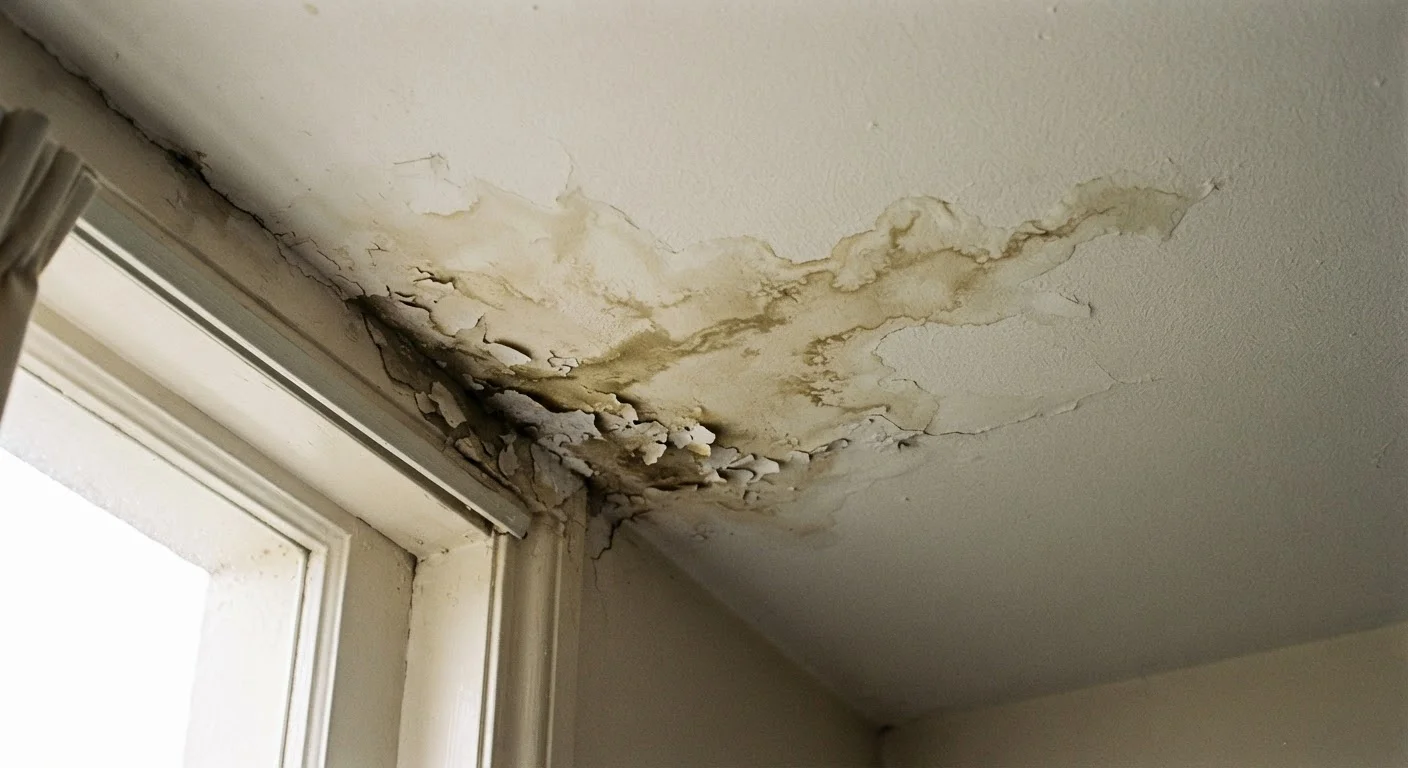
Photo: InsightsChief.com | Your Source Of Trusted Insights editorial
Key Takeaways
- Small repairs left unaddressed rarely stay small - they compound into larger, more expensive problems over time.
- Water intrusion is one of the fastest-escalating repair categories; a minor leak can cause structural damage within months.
- Many high-cost home repairs trace back to a single overlooked maintenance item that cost very little to fix early.
- Homeowners who establish a routine inspection schedule tend to catch problems before they escalate.
- Knowing when to DIY and when to call a professional is a key part of keeping total repair costs down.
Why Small Problems Don't Stay Small
Every home is a network of interdependent systems. When one small component fails - a cracked caulk joint, a loose flashing seam, a slow-draining gutter - it rarely damages only itself. Water finds the path of least resistance; so does air, pests, and rot. What begins as a five-dollar tube of caulk becomes a contractor invoice when moisture has spent a season working its way behind tile and into the subfloor.
The compounding logic is straightforward: materials that stay wet weaken. Weakened materials invite secondary damage - mold, pest access, wood rot - that requires its own remediation. By the time visible symptoms appear (a bubbling ceiling, a soft spot underfoot), the source problem may have been active for months. For a deeper look at which specific tasks tend to spiral fastest, our article on commonly delayed maintenance items and their consequences covers the pattern in detail.
1 in 50
Homes file a water damage claim each year
According to Insurance Information Institute data, water damage and freezing is among the most common homeowners insurance claim categories in the United States.
~$11,000
Average water damage claim cost
Industry estimates from insurance aggregators consistently place average water damage claims in the range of $10,000-$12,000, far exceeding the cost of early prevention.
24-48 hrs
Time for mold to begin growing after moisture exposure
The U.S. EPA notes that mold can begin to develop on wet building materials within 24 to 48 hours under typical indoor conditions.
The Compounding Mechanic: How Costs Multiply
The financial logic of deferred maintenance mirrors compound interest - but in the wrong direction. A neglected roof penetration that might cost a few hundred dollars to reseal can require full deck replacement, insulation removal, and interior drywall repair if left for one to two years. Each layer of secondary damage adds a trade and a separate cost center.
Consider a cracked window seal. Initially, the issue is cosmetic and energy-related - fogged glass and a slight draft. Left alone, the frame is exposed to repeated freeze-thaw cycles that split the wood, admit moisture into the wall cavity, and eventually compromise the rough opening itself. What started as a weatherstripping or caulking job becomes a carpentry and possibly a structural repair.
Build a Simple Repair Log
This same dynamic applies beyond the home. Deferred repair costs compound in vehicles for identical reasons - a skipped oil change, a worn belt, a slow tire leak all follow the same escalation pattern when ignored long enough.
Inspection Habits That Interrupt the Cycle
The most effective cost-control strategy isn't any single repair - it's building a consistent inspection habit that surfaces problems while they're still cheap. A seasonal walkthrough of your home's exterior, roof edges, gutters, foundation perimeter, and window and door seals takes under an hour and creates a running inventory of what needs attention.
Inside, look for staining on ceilings and walls, soft spots in flooring, evidence of pest activity, and any areas where caulk has shrunk or cracked away from its substrate. These are early-warning indicators that almost always precede larger damage. Catching them in this stage keeps the repair within DIY range for most homeowners. For a broader overview of what routine upkeep involves and protects, our home maintenance hub is a practical starting point.
Prioritize sequentially: address anything involving active water intrusion or structural integrity first, followed by weatherproofing gaps, then mechanical systems, and finally cosmetic items. This sequencing ensures that limited repair budgets go where they prevent the most downstream damage. Understanding when to handle a repair yourself and when to call a professional is equally important - some tasks carry safety or permit requirements that make DIY genuinely risky.
This article provides general home maintenance information for educational purposes. Costs, timelines, and outcomes vary by home, region, and condition. For hazardous or regulated work, consult a licensed professional and verify local permit requirements before proceeding.
Frequently Asked Questions
The content provided on our blog site traverses numerous categories, offering readers valuable and practical information. Readers can use the editorial team’s research and data to gain more insights into their topics of interest. However, they are requested not to treat the articles as conclusive. The website team cannot be held responsible for differences in data or inaccuracies found across other platforms. Please also note that the site might also miss out on various schemes and offers available that the readers may find more beneficial than the ones we cover.