
The Truth About 'No Pain, No Gain' and Other Home Fitness Myths

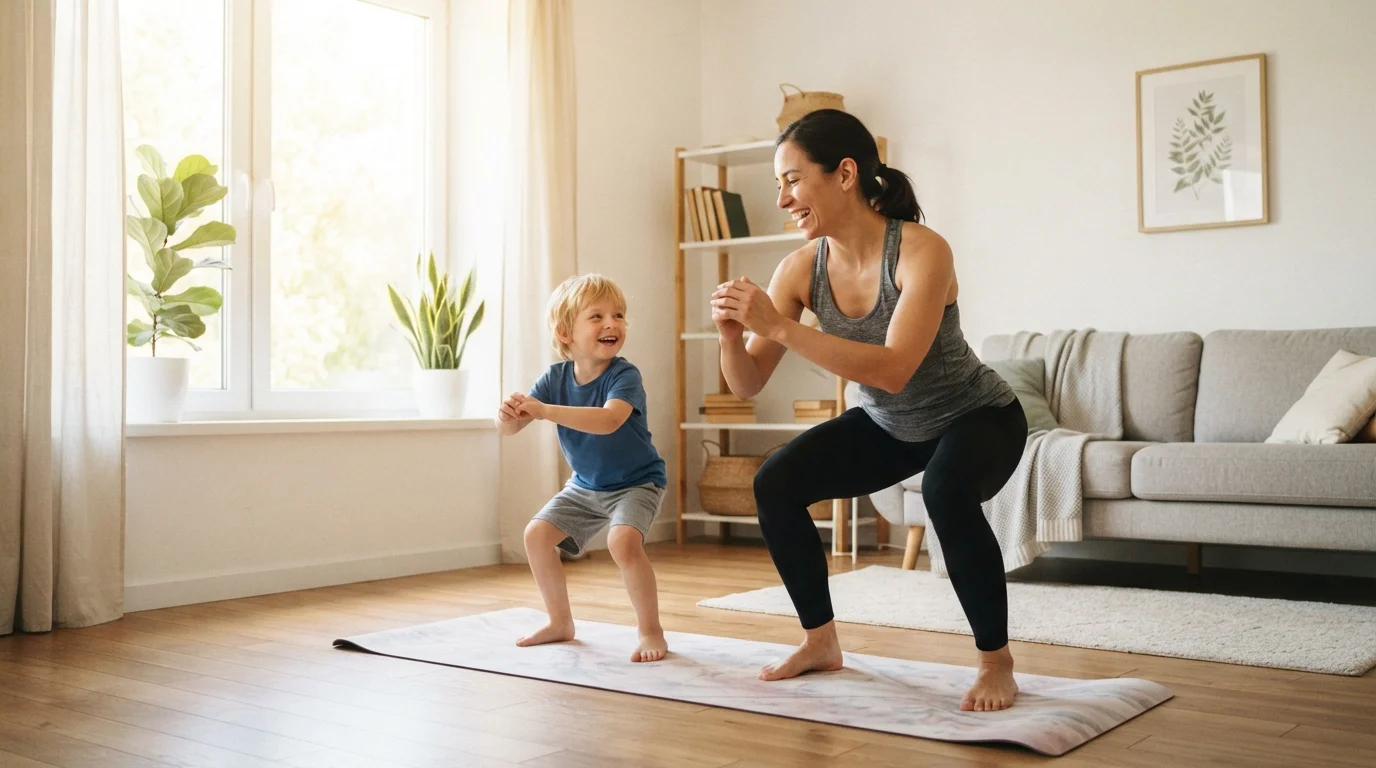
Photo: InsightsChief.com | Your Source Of Trusted Insights editorial
Key Takeaways
- Discomfort during exercise is normal; sharp or persistent pain is a warning sign, not a goal.
- Short workouts done consistently can be just as effective as longer, infrequent sessions.
- Soreness after a workout does not reliably indicate how productive that session was.
- Rest and recovery are not optional - they are when your muscles actually get stronger.
- You do not need equipment or a gym to build meaningful, lasting fitness at home.
Why Fitness Myths Persist - and Why They Matter
Fitness culture is saturated with catchy phrases that have been repeated so often they feel like scientific fact. For families trying to build consistent routines at home - without a personal trainer or a gym budget - these myths can lead to wasted effort, unnecessary injury, or giving up altogether. Understanding what exercise science actually supports helps you work smarter, stay safer, and keep the whole household moving for the long haul.
If you're weighing your options beyond the living room, our comparison of home workouts vs. gym memberships breaks down the evidence on both sides.
Myth
No pain, no gain - if your workout doesn't hurt, you're not working hard enough.
Fact
Muscle fatigue and mild discomfort are normal; sharp, stabbing, or joint pain is a signal to stop, not push through.
The phrase popularized the idea that suffering equals progress, but exercise physiologists draw a firm line between productive discomfort (the burning sensation of fatigued muscles) and pain (a warning that tissue may be at risk). Ignoring genuine pain frequently leads to injuries that sideline people for weeks or months - the opposite of progress. Effective training challenges your body without damaging it.
Myth
Muscle soreness the day after a workout means it was effective.
Fact
Soreness - called delayed onset muscle soreness (DOMS) - is one response to novel or intense exercise, but its absence doesn't mean a workout failed.
DOMS typically peaks 24-72 hours after exercise and is most common when you try a new movement or dramatically increase intensity. As your body adapts, the same workout produces less soreness - not because it stopped working, but because your muscles became more efficient. Using soreness as the primary measure of a good workout can push people to constantly change routines, which actually undermines the progressive adaptation needed for improvement.
Myth
You need at least an hour of exercise to see any real benefit.
Fact
Shorter sessions - even 10 to 20 minutes - provide measurable cardiovascular and strength benefits when performed consistently.
U.S. physical activity guidelines recognize that exercise bouts of any length accumulate meaningfully across a day. Research published in major exercise science journals has found that multiple shorter sessions can yield similar improvements in cardiorespiratory fitness to a single longer session of equal total volume. For busy families, this is practically significant: three 15-minute movement breaks throughout the day count.
Myth
Rest days are for people who aren't serious about fitness.
Fact
Recovery is when your muscles repair and grow stronger; skipping rest increases injury risk and can lead to overtraining.
Strength and endurance adaptations occur between workouts, not during them. Resistance exercise creates microscopic stress in muscle fibers; rest allows that tissue to rebuild denser and stronger. Chronically under-recovering can suppress immune function, disrupt sleep, and stall or reverse progress - a cluster of symptoms sometimes called overtraining syndrome. Most exercise professionals recommend at least one to two rest or low-intensity days per week for general fitness goals.
Myth
Home workouts without equipment can't build real strength.
Fact
Bodyweight training, when progressively challenged, is a well-established method for developing muscular strength and endurance.
Muscles respond to mechanical load - not to the source of that load. Push-up variations, squats, lunges, planks, and pull-ups (using a sturdy overhead bar or even a low table for inverted rows) can progressively overload muscles just as effectively as machines, provided difficulty increases over time. Military and athletic training programs worldwide rely heavily on bodyweight movements for this reason. Equipment can add variety and convenience, but it is not a prerequisite for meaningful strength development.
Myth
Stretching before exercise prevents injury.
Fact
Static stretching before a workout has not been shown to reliably prevent injury; a dynamic warm-up is generally more effective.
Research comparing stretching protocols has found that holding static stretches (staying still in a stretched position for 30+ seconds) before exercise may temporarily reduce force production without meaningfully lowering injury rates. Current guidance from exercise professionals generally favors a dynamic warm-up - controlled movements like leg swings, arm circles, and light versions of the main workout's movements - to raise core temperature and prepare joints for activity. Static stretching remains valuable for flexibility development, and is generally better suited to the cool-down phase.
What Evidence-Based Home Fitness Actually Looks Like
Once the myths are cleared away, a more practical and sustainable picture of home fitness emerges. Consistency and progressive challenge - gradually increasing difficulty over time - are the two factors research most consistently links to fitness improvements, regardless of setting or equipment.
150 min
Weekly moderate activity recommended for adults
The U.S. Department of Health and Human Services Physical Activity Guidelines for Americans recommend at least 150 minutes of moderate-intensity aerobic activity per week for most adults.
Any amount
Physical activity that counts toward health benefits
The same federal guidelines state that some physical activity is better than none, and that even short bouts contribute to weekly totals and overall health.
2×/week
Minimum muscle-strengthening activity recommended
Adults are advised to engage in muscle-strengthening activities involving all major muscle groups on at least two days per week, per U.S. federal guidelines.
Short on time? You don't have to choose between quality and quantity. Our guide on home fitness on a tight schedule covers evidence-informed strategies for busy households. And if you're just getting started, beginning a home fitness routine from scratch is more approachable than most myths suggest.
Daily training is sometimes possible, but it comes with real trade-offs - our honest look at working out at home every day lays these out clearly so you can set realistic expectations.
Pain Is a Stop Signal, Not a Goal
This article is for general informational purposes only and does not constitute medical or professional fitness advice. Consult a qualified healthcare provider before beginning any new exercise program, especially if you have existing health conditions or injuries.
The content provided on our blog site traverses numerous categories, offering readers valuable and practical information. Readers can use the editorial team’s research and data to gain more insights into their topics of interest. However, they are requested not to treat the articles as conclusive. The website team cannot be held responsible for differences in data or inaccuracies found across other platforms. Please also note that the site might also miss out on various schemes and offers available that the readers may find more beneficial than the ones we cover.