
Food Fortification Explained: What It Adds to Cereals, Milk, and Bread

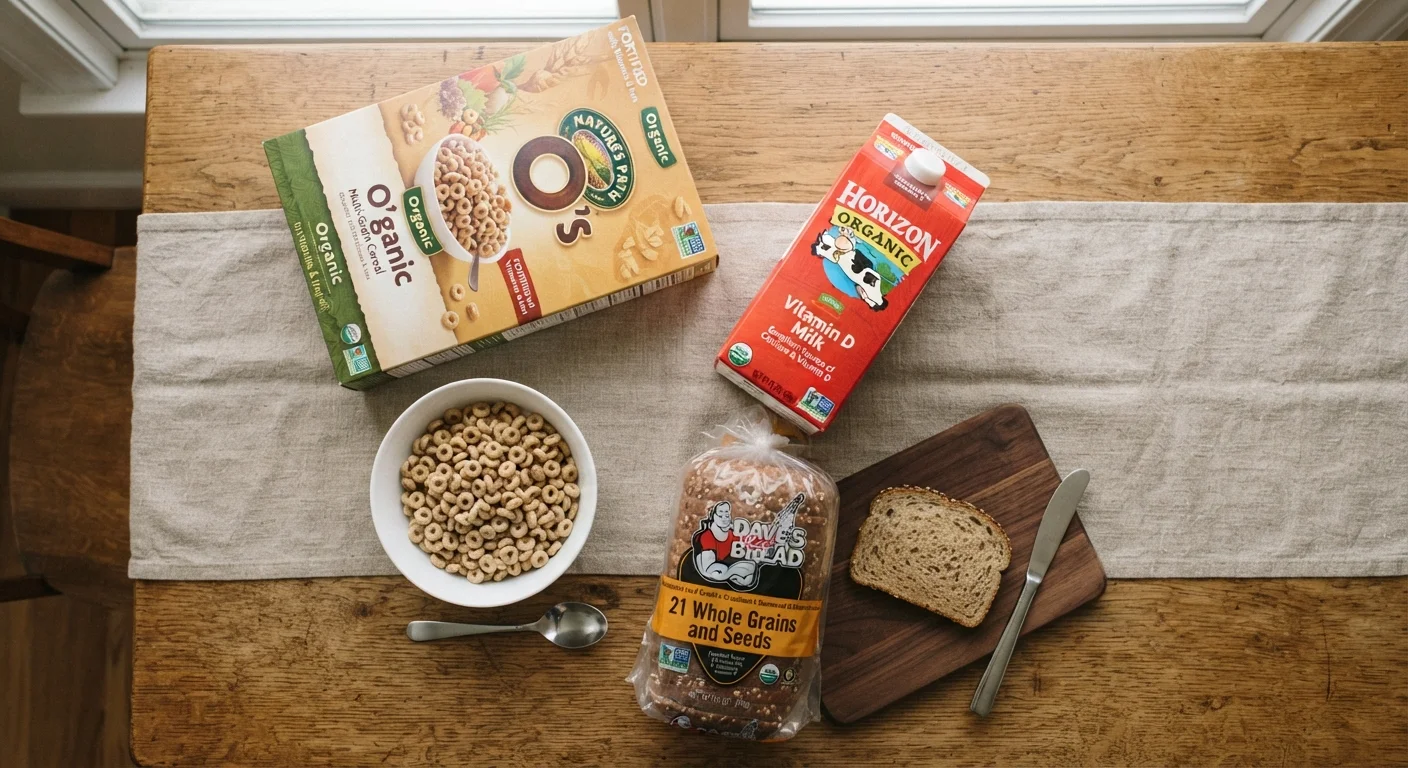
Photo: InsightsChief.com | Your Source Of Trusted Insights editorial
Key Takeaways
- Food fortification adds vitamins and minerals to everyday staples to reduce nutrient deficiencies across populations.
- Common fortified foods include breakfast cereals, dairy milk, bread, and orange juice.
- Fortification is regulated by the FDA and follows established safety standards.
- Fortified foods can help fill nutrient gaps without requiring expensive supplements or specialty items.
- Fortification does not replace a varied diet - whole food sources of nutrients remain important.
- Reading the Nutrition Facts label helps families understand exactly what nutrients have been added.
Why Fortification Exists in the First Place
Food fortification began as a direct response to serious, widespread public health crises. In the early twentieth century, iodine deficiency caused significant rates of goiter across the United States. Adding iodine to table salt dramatically reduced that problem. Similarly, adding vitamin D to milk helped curb rickets - a bone-weakening disease - in children. Folic acid added to enriched grains starting in the 1990s led to measurable declines in neural tube defects in newborns.
These aren't minor wins. They represent some of the most cost-effective nutrition interventions in public health history. Fortification reaches people across income levels because it works through staple foods that most households already purchase. For budget-conscious families, that's a meaningful advantage: no special shopping required.
Today, the FDA oversees which nutrients can be added to which foods, and at what levels. This regulatory structure ensures that fortification is evidence-based rather than arbitrary, and that nutrient additions stay within ranges considered safe for regular consumption.
What Gets Added to the Foods You Already Buy
Three food categories dominate fortification in American grocery stores:
- Breakfast cereals are among the most heavily fortified foods available. Many supply iron, zinc, and several B vitamins - including folic acid, niacin, B6, and B12 - as well as vitamin D. The exact amounts vary widely between products, so the Nutrition Facts panel is your most reliable guide. See our guide to reading nutrition labels to understand what those percentages actually mean for your family.
- Dairy milk is the most familiar source of added vitamin D in the American diet. Vitamin D is not naturally present in significant amounts in milk; it is added to help the body absorb the calcium that milk does naturally contain. Most cow's milk is also fortified with vitamin A. Many plant-based milk alternatives are similarly fortified, though the amounts vary by brand, so label-checking matters here too.
- Bread and flour products made from enriched white flour contain added thiamin (B1), riboflavin (B2), niacin, folic acid, and iron - nutrients lost when the bran and germ are removed during milling. This is technically enrichment, but the practical effect for consumers is the same: the finished product delivers nutrients that the base ingredient would otherwise lack.
~10%
Reduction in neural tube defects after folic acid fortification
Research published in journals including the American Journal of Public Health has estimated significant declines in neural tube defect rates following mandatory folic acid fortification of enriched grain products beginning in 1998 in the US.
42%
US adults with insufficient vitamin D levels
Studies using NHANES data have estimated that a substantial proportion of American adults have vitamin D levels below recommended thresholds, underscoring the continued relevance of fortified milk and cereals.
1920s
Decade iodized salt was introduced in the US
The introduction of iodized salt in the 1920s is widely credited by public health researchers with dramatically reducing goiter prevalence across American communities within decades.
Orange juice fortified with calcium and vitamin D is another widely available example, useful for households where dairy consumption is limited. Fortified foods aren't confined to any single aisle - they appear throughout the store as part of everyday staples most families buy anyway.
What Fortification Can and Cannot Do for Your Family
Fortification reliably helps fill specific nutrient gaps that are common in modern diets. Iron deficiency, for instance, remains the most prevalent nutritional deficiency globally, and iron-fortified cereals contribute meaningfully to daily intake for many children and adults. Vitamin D insufficiency is widespread in the United States, and fortified milk and cereals are among the few reliable dietary sources in regions with limited sunlight exposure.
That said, fortification has limits. Adding individual nutrients to a food does not replicate the full nutritional complexity of whole food sources. Whole grains, for example, deliver fiber, antioxidants, and phytonutrients that enrichment cannot restore to refined flour. Our explainer on whole foods vs. processed foods explores this distinction in more depth.
Use the Label to Compare Fortified Products
Fortified foods work best as part of a varied diet - not as a substitute for variety. Families who rely heavily on a narrow range of foods, even fortified ones, may still have nutrient gaps. For practical strategies on building a nutritious, affordable grocery routine, see our guide to nutrition on a budget.
This article is for general informational and educational purposes only and is not a substitute for professional medical or dietary advice. Consult a qualified healthcare provider or registered dietitian for guidance specific to your family's health needs.
Frequently Asked Questions
The content provided on our blog site traverses numerous categories, offering readers valuable and practical information. Readers can use the editorial team’s research and data to gain more insights into their topics of interest. However, they are requested not to treat the articles as conclusive. The website team cannot be held responsible for differences in data or inaccuracies found across other platforms. Please also note that the site might also miss out on various schemes and offers available that the readers may find more beneficial than the ones we cover.