
Nutrition on a Budget: How Everyday Food Choices Add Up for Better Health

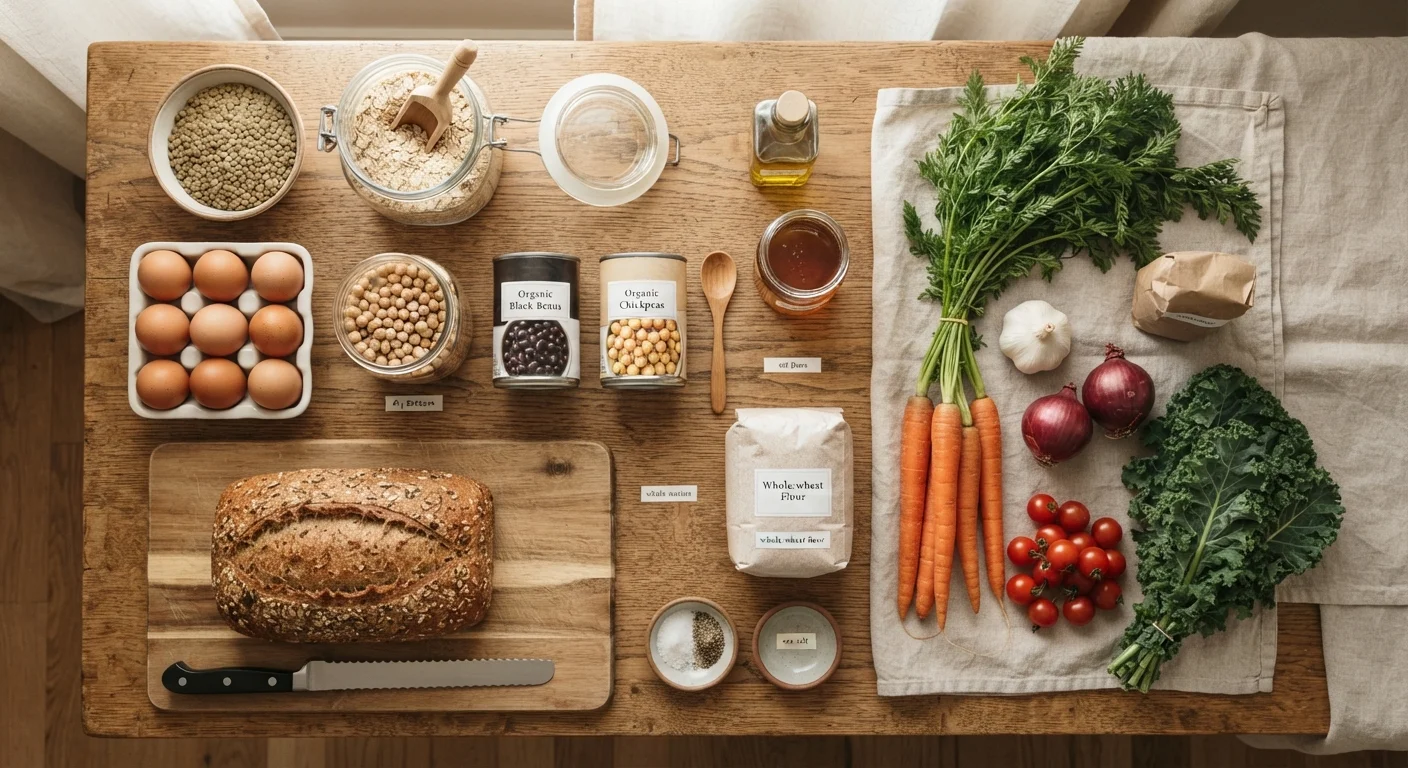
Photo: InsightsChief.com | Your Source Of Trusted Insights editorial
Key Takeaways
- Nutrient-dense eating does not require expensive superfoods or specialty health stores.
- A handful of affordable pantry staples - legumes, oats, eggs, and frozen vegetables - cover most nutritional bases.
- Small, consistent food choices across the week compound into meaningful health behaviors over time.
- Planning meals around nutritional coverage first reduces waste and stretches the grocery budget further.
- Consulting a healthcare professional remains important for individual dietary needs, especially for children.
Why Budget and Nutrition Are Not at Odds
A widespread assumption holds that eating well costs more - that health requires premium ingredients, specialty stores, or elaborate meal kits. The evidence does not support this. Many of the most nutrient-dense foods available in any US grocery store are also among the most affordable: dried or canned legumes, oats, eggs, frozen vegetables, canned fish, and whole-grain staples. For more on this, see why cheap doesn't mean unhealthy.
What drives poor nutrition in tight-budget households is less often cost and more often habit, convenience, and unfamiliarity with how to build meals around lower-cost ingredients. Refocusing the grocery run around nutritional coverage - rather than taste alone - is the practical shift that makes the biggest difference. The family nutrition hub offers additional guidance on building those habits across every age group.
This article is for general informational purposes and does not constitute medical or dietary advice. For personal dietary concerns, consult a registered dietitian or your healthcare provider.
What You Need Before You Start
Before adjusting what goes into your cart, a quick baseline assessment helps. Review roughly what your household ate last week and identify any obvious gaps - missing protein at breakfast, few vegetables at dinner, or heavy reliance on processed snacks. The household nutrition audit is a useful starting framework for this exercise.
What you will need
Once you have a rough picture of current habits, the steps below walk through practical adjustments you can make immediately, without overhauling your entire shopping routine at once.
Step-by-Step: Building Better Nutrition Into Every Shop
Identify Your Current Nutritional Gaps
Without tracking every calorie, scan your last week's meals mentally or on paper. Ask three questions: Did most meals include a protein source? Were vegetables present at least once daily? Was fiber - from whole grains, legumes, or produce - a regular part of eating? These three markers cover a large share of common dietary shortfalls in US households. Note where the answer is consistently no - those are your starting points.
Build a Short List of Anchor Staples
Choose five to seven low-cost, nutrient-dense foods to anchor your weekly shop. Strong candidates that consistently rank high on nutritional value per dollar include: dried or canned lentils and beans (protein, fiber, iron), rolled oats (fiber, B vitamins, sustained energy), eggs (complete protein, choline, fat-soluble vitamins), frozen vegetables such as broccoli, peas, and spinach (vitamins C and K, folate), canned fish like tuna or sardines (protein, omega-3 fatty acids), and whole-grain bread or brown rice (fiber, B vitamins). These do not need to be every meal - they function as a reliable nutritional floor. See protein on a budget for a deeper look at cost-effective protein options.
Rethink One Meal per Day as a Starting Point
Attempting to overhaul every meal at once is the most common reason dietary changes don't stick. Instead, choose one meal - typically breakfast - and make it nutritionally reliable using your anchor staples. Oatmeal topped with a small portion of nut butter and a piece of fruit, or eggs with whole-grain toast and frozen spinach, sets a nutritional tone for the day at very low cost. Once that meal is consistent, apply the same logic to lunch or dinner.
Use Fortified Foods Strategically
Many common grocery items - breakfast cereals, milk, orange juice, and bread - are fortified with vitamins and minerals including vitamin D, calcium, and folic acid. These additions meaningfully improve dietary coverage for families who might not otherwise meet their micronutrient needs. Understanding what has been added, and why, helps you make more intentional choices. Food fortification explained covers this topic in plain language.
Reduce Nutritional Waste by Planning Portions
Food that spoils before it is eaten is money and nutrition lost. When buying fresh produce on a budget, prioritize items with longer shelf lives - carrots, cabbage, sweet potatoes, and apples - alongside frozen options that last weeks. Plan how each perishable item will be used before you buy it. A simple rule: every fresh item in the cart should appear in at least two planned meals that week. This habit alone reduces both waste and the need for unplanned, lower-quality food purchases mid-week.
Small Swaps, Consistent Gains
Families with children have some additional considerations. Micronutrient needs shift significantly from toddlerhood through adolescence, so the strategies above may need tailoring by age. The article vitamins and minerals every child needs offers a concise reference for parents. As always, a pediatrician or registered dietitian should guide decisions for individual children.
Putting It Together: From Staples to Sustained Habits
Good nutrition is less about perfection on any single day and more about consistency across the week. Each small swap - adding frozen spinach to a pasta dish, swapping a sugary cereal for oats, or reaching for canned sardines instead of deli meat - adds a layer of nutritional value without significantly changing what you spend.
Once the staples are in place, the next lever is structure. A grocery list organized around nutritional coverage rather than craving or convenience helps maintain those gains automatically. Building a weekly grocery list around nutritional goals explains how to make that shift practical and repeatable. For families working with a tight budget, meal-planning fundamentals provides the structural framework to reduce waste while improving coverage.
Gradual Change Sticks Better Than Overhaul
Nutrition is one piece of the broader wellness picture. Adequate sleep, for instance, influences appetite regulation, energy, and long-term health in ways that intersect directly with diet - and costs nothing. Why sleep is the cheapest health tool you're probably underusing explores that connection further.
This article is for general informational purposes only and is not a substitute for professional medical or dietary advice. Speak with a qualified healthcare provider before making significant changes to your or your family's diet.
The content provided on our blog site traverses numerous categories, offering readers valuable and practical information. Readers can use the editorial team’s research and data to gain more insights into their topics of interest. However, they are requested not to treat the articles as conclusive. The website team cannot be held responsible for differences in data or inaccuracies found across other platforms. Please also note that the site might also miss out on various schemes and offers available that the readers may find more beneficial than the ones we cover.