
Building a Weekly Grocery List Around Nutritional Goals, Not Just Taste

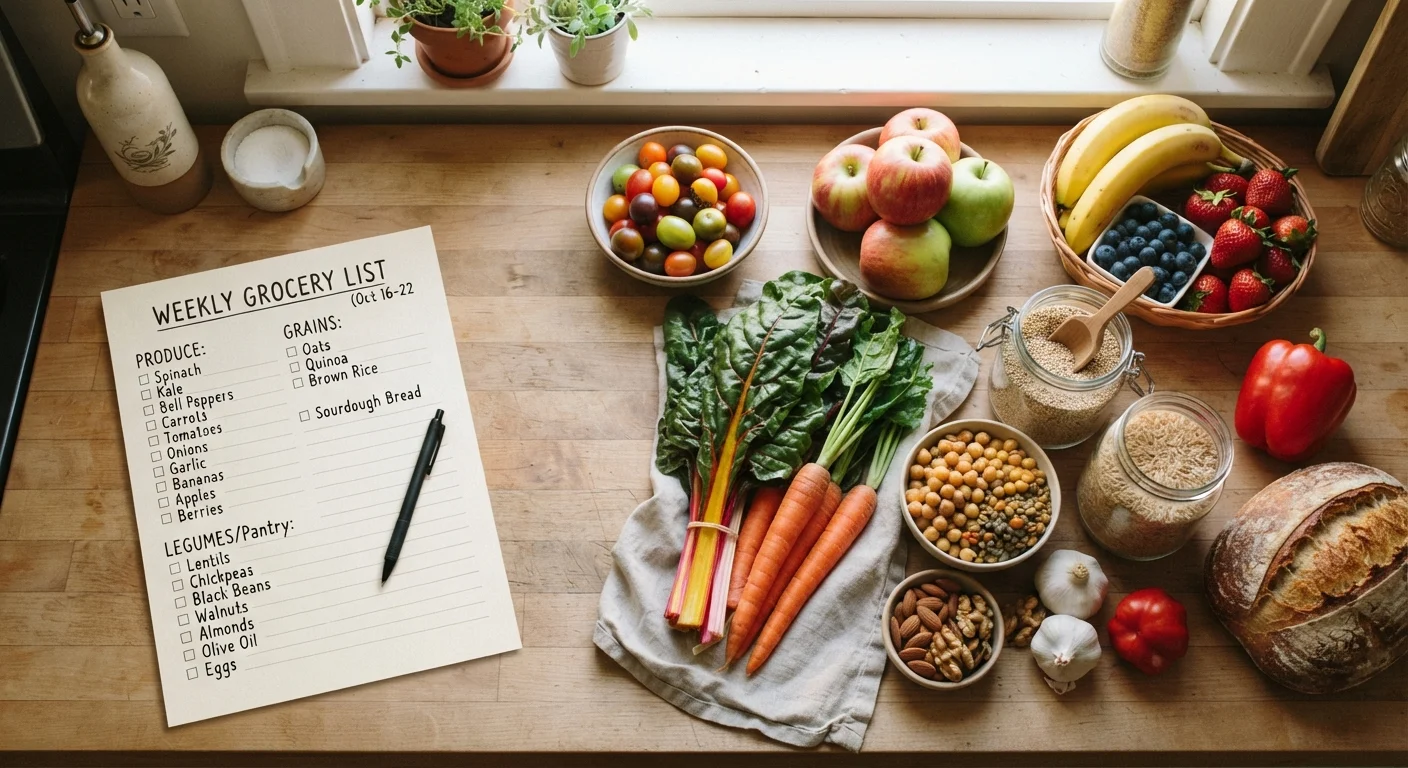
Photo: InsightsChief.com | Your Source Of Trusted Insights editorial
Key Takeaways
- Start your grocery list with nutrient categories-protein, produce, whole grains-before thinking about specific recipes.
- Affordable staples like legumes, frozen vegetables, and eggs deliver strong nutritional value without stretching a tight budget.
- Planning around nutritional goals reduces impulse purchases and cuts food waste, saving money over time.
- A consistent weekly structure trains the whole household to expect and enjoy balanced, nourishing meals.
Why Nutritional Goals Should Drive Your List
Most families build grocery lists the same way: flip through a few recipes, jot down ingredients, and grab whatever looks good in the store. Taste and convenience lead; nutrition follows-if it shows up at all. The problem is that this approach makes it easy to end up with a cart full of food that's satisfying in the moment but leaves nutritional gaps across the week.
Flipping that sequence-leading with nutritional coverage and then layering in flavors and recipes-doesn't require a nutrition degree. It means asking a simple question before writing a single item: Does this week's cart give everyone in my household the building blocks they need? Protein, fiber, vitamins, and healthy fats don't have to be expensive to be present. See our smart buying tips for strategies on making value-driven choices across any category.
This article is for general informational purposes only and is not a substitute for personalized advice from a qualified healthcare professional or registered dietitian.
Best Practices for a Nutrition-First Grocery List
The following practices are grounded in widely accepted dietary guidance. They're designed to work within a realistic household budget, not against it.
Structure your list by food group before adding specific items
Anchor at least two meals per week around plant-based protein sources
Prioritize frozen and canned produce to extend nutritional value and budget
Plan for nutrient-dense breakfast staples rather than convenience options
Carry last week's gaps forward as next week's priorities
Quick Actions You Can Take This Week
You don't need a full meal-planning overhaul to start eating more intentionally. A few targeted changes to how you approach the store can produce real results within days.
“The grocery store is where most health decisions are actually made. What goes into the cart shapes what goes on the plate-and into the body-for the entire week.”
— Marion Nestle, Professor Emerita of Nutrition, Food Studies, and Public Health, New York University
Putting It All Together for Your Family
Nutritional grocery planning pays dividends beyond the plate. Families who shop with a structure report fewer last-minute takeout runs, less food waste, and more confidence at mealtimes. Over weeks and months, that translates to meaningful savings alongside better eating habits.
If you have children at home, the same principles apply-just scaled for their energy needs and flavor preferences. Our companion piece Nutrition on a Budget: Feeding Growing Kids Without Sacrificing Quality walks through family-specific meal-planning strategies in depth. You can also explore the Parenting Tips hub for broader guidance on raising healthy kids without overspending.
Consistency matters more than perfection. A list built around nutritional goals-even an imperfect one-beats a list built around impulse every single week.
Always consult a registered dietitian or qualified healthcare provider before making significant changes to your or your family's diet, especially if anyone has a health condition, allergy, or specific nutritional need.
The content provided on our blog site traverses numerous categories, offering readers valuable and practical information. Readers can use the editorial team’s research and data to gain more insights into their topics of interest. However, they are requested not to treat the articles as conclusive. The website team cannot be held responsible for differences in data or inaccuracies found across other platforms. Please also note that the site might also miss out on various schemes and offers available that the readers may find more beneficial than the ones we cover.