
Vitamins and Minerals Every Child Needs: A Parent's Reference Guide

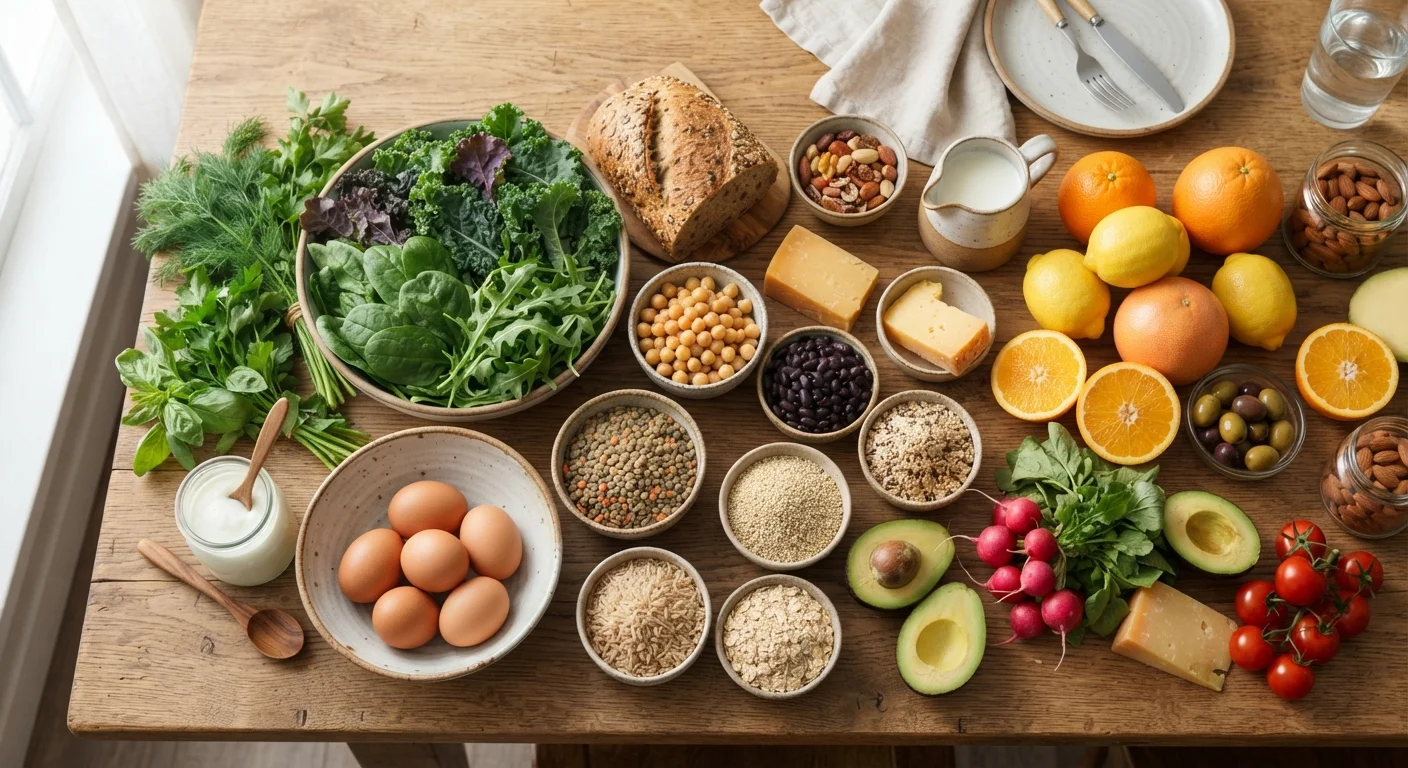
Photo: InsightsChief.com | Your Source Of Trusted Insights editorial
Why Micronutrients Matter More Than Parents Often Realize
Calories and protein typically dominate mealtime conversations, but it is the micronutrients - vitamins and minerals present in small amounts - that quietly govern a child's immune function, bone development, brain growth, and energy metabolism. Gaps in these nutrients during critical windows can affect development in ways that are difficult to reverse, which is why understanding the basics matters even on a tight grocery budget.
The good news is that the foods delivering the highest micronutrient density are rarely the most expensive. Eggs, canned beans, frozen vegetables, canned salmon, whole-grain bread, and dairy products are workhorses of child nutrition and are available in most US grocery stores at modest cost. See our guide to affordable nutrient-dense staples for a broader look at stretching a nutrition-focused food budget.
| Most common childhood deficiency | Iron deficiency, especially in toddlers and adolescent girls (American Academy of Pediatrics) |
| Vitamin D dietary sources | Fatty fish, fortified milk, eggs, fortified cereals |
| Calcium requirement (ages 9-18) | 1,300 mg per day (National Institutes of Health, Office of Dietary Supplements) |
| Iron absorption tip | Pair plant-based iron foods with a Vitamin C source to improve absorption |
| B12 risk group | Children following vegan or strict plant-based diets |
| Affordable high-nutrient staples | Eggs, lentils, canned beans, frozen vegetables, fortified whole-grain bread |
This article is general health information and education, not medical advice. Always consult a qualified healthcare professional - such as your child's pediatrician or a registered dietitian - before making significant changes to your child's diet or starting any supplement.
The Core Vitamins Children Need - and Where to Find Them
Below is a reference overview of the vitamins most critical to childhood development, the roles they play, and the everyday foods that supply them affordably.
Micronutrient
Vitamins and minerals required by the body in small quantities to support normal growth, immune function, and metabolism. Unlike macronutrients (protein, fat, carbohydrates), micronutrients provide no calories but are essential to health.
Beta-carotene
A plant pigment found in orange and dark-green vegetables that the body can convert into Vitamin A. It acts as a precursor, meaning the body uses it to make the vitamin as needed.
Heme iron
A form of iron found in meat, poultry, and seafood that is absorbed more efficiently by the body than non-heme iron, which comes from plant sources.
Fortified food
A food that has had vitamins or minerals added during processing that were not naturally present, or were present in lower amounts. Common examples include fortified breakfast cereals and fortified plant milks.
Folate
A B vitamin (B9) that supports DNA synthesis and red blood cell formation. It is especially important during periods of rapid growth. The synthetic form added to fortified foods is called folic acid.
Iodized salt
Table salt that has been supplemented with iodine, a mineral essential for thyroid function and brain development. Not all specialty or sea salts contain added iodine.
Vitamin D
Critical for calcium absorption and bone mineralization, Vitamin D is also involved in immune regulation. Fatty fish (canned salmon, canned tuna), fortified milk, and eggs provide dietary Vitamin D, though sun exposure remains a major source for many children. Deficiency is relatively common in the US, particularly in northern regions and among children who spend limited time outdoors.
Vitamin A
Supports vision, immune defense, and skin integrity. Liver is the most concentrated source, but sweet potatoes, carrots, canned pumpkin, and leafy greens deliver beta-carotene, which the body converts to Vitamin A. These are among the most affordable vegetables available year-round.
Vitamin C
Needed for collagen production, wound healing, and iron absorption from plant-based foods. Citrus fruits, frozen strawberries, broccoli, and bell peppers all supply generous amounts. Frozen options are nutritionally comparable to fresh and often less expensive.
B Vitamins (B6, B12, Folate)
This group supports red blood cell production, nervous system function, and DNA synthesis. B12 is found almost exclusively in animal products - meat, eggs, dairy, and fortified foods - making it a key consideration for families following plant-based diets. Folate is abundant in lentils, canned beans, and leafy greens. See our developmental nutrition guide for how B-vitamin needs shift from toddlerhood through the teen years.
Essential Minerals: Calcium, Iron, Zinc, and Iodine
Minerals are inorganic nutrients that support structural and biochemical roles throughout a child's body. Four stand out as particularly important - and commonly under-consumed.
Calcium
The primary building block of bone and teeth, calcium requirements rise sharply during the adolescent growth spurt. Dairy products remain the most concentrated dietary source for most US children, but fortified plant milks, canned salmon with bones, tofu made with calcium sulfate, and kale also contribute meaningfully. Auditing your family's weekly meals can help identify whether calcium-rich foods appear often enough.
Iron
Iron supports oxygen transport in the blood and cognitive development. Toddlers and adolescent girls are at the highest risk of iron deficiency. Red meat and poultry provide heme iron, which is absorbed most efficiently. Lentils, fortified cereals, and canned beans supply non-heme iron; pairing these foods with a Vitamin C source meaningfully improves absorption.
Zinc
Involved in immune function, growth, and wound healing, zinc is found in meat, shellfish, legumes, nuts, seeds, and whole grains. Children who eat limited animal protein may need varied plant-based zinc sources throughout the day.
Iodine
Essential for thyroid hormone production and brain development, iodine is most reliably obtained through iodized table salt, dairy products, and seafood. Families using sea salt or specialty salts should check whether these products are iodized, as many are not.
A Note on Supplements for Children
For practical meal-planning strategies that incorporate these nutrients affordably, see our guide to feeding growing kids without overspending.
The content provided on our blog site traverses numerous categories, offering readers valuable and practical information. Readers can use the editorial team’s research and data to gain more insights into their topics of interest. However, they are requested not to treat the articles as conclusive. The website team cannot be held responsible for differences in data or inaccuracies found across other platforms. Please also note that the site might also miss out on various schemes and offers available that the readers may find more beneficial than the ones we cover.