
The True Annual Cost of Owning a Car in the US

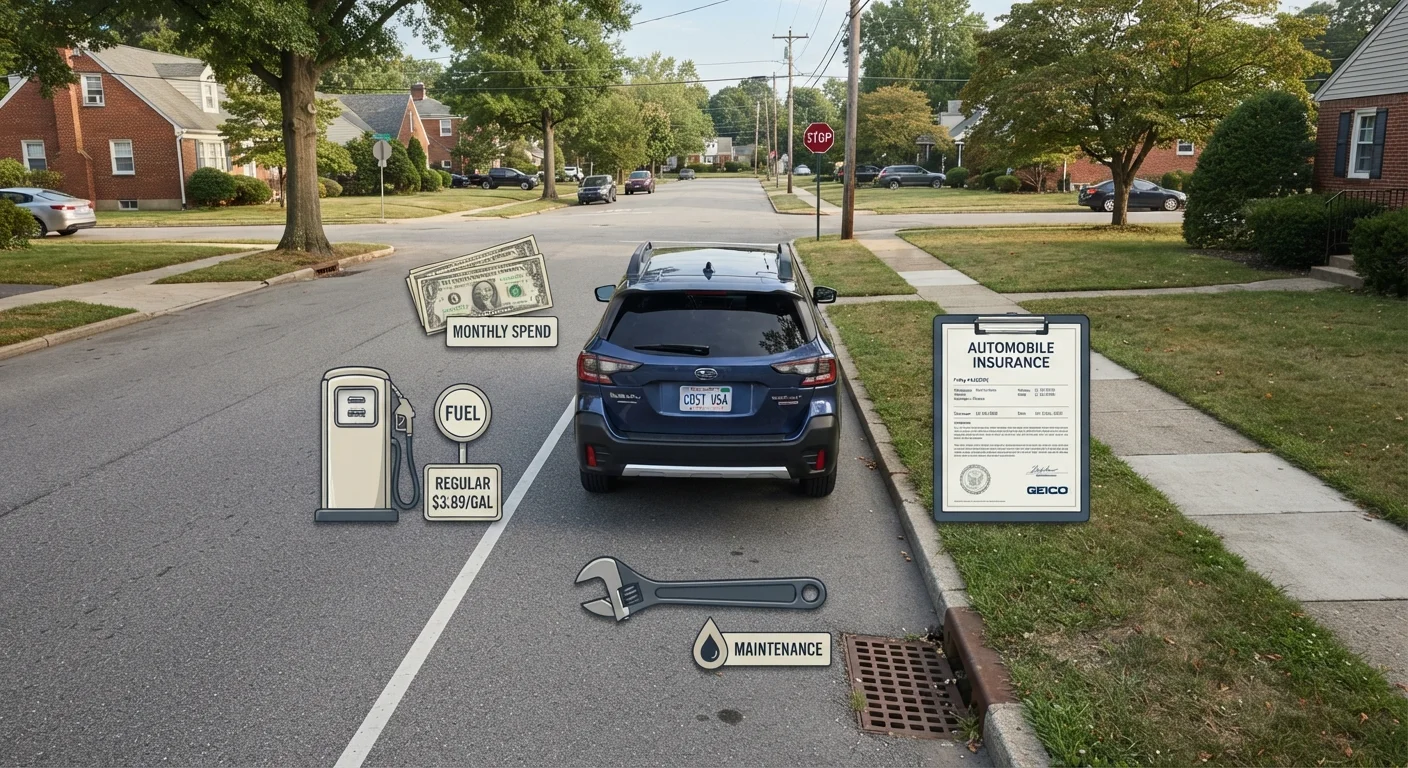
Photo: InsightsChief.com | Your Source Of Trusted Insights editorial
Key Takeaways
- The average American driver spends between $10,000 and $12,000 per year on total vehicle costs.
- Depreciation is typically the single largest annual cost, often exceeding fuel and insurance combined.
- Insurance, fuel, and maintenance are recurring costs that vary significantly by driver behavior and location.
- Paying off a car loan does not eliminate ownership costs - fixed and variable expenses continue.
- Tracking all cost categories, not just the monthly payment, is essential for accurate household budgeting.
Why the Monthly Payment Is Only Part of the Story
When most households evaluate whether they can afford a car, they focus on the monthly loan or lease payment. That figure is real and important - but it captures only a fraction of what vehicle ownership actually costs. The full picture includes fixed costs that hit on a schedule and variable costs that arrive without warning.
For drivers new to car ownership, our introduction to ownership costs covers the foundational categories in plain terms. For everyone else, it's worth stepping back and adding up what a vehicle truly demands each year.
$10,000-$12,000
Estimated average annual new-car ownership cost
Industry analyses, including those from AAA, consistently place total ownership costs in this range for average new vehicle usage in the US.
~20%
Average first-year depreciation for a new vehicle
Many new vehicles lose roughly 15-25% of their purchase value within the first 12 months, according to automotive valuation research.
$1,500-$2,500
Typical annual fuel cost for average US drivers
Based on approximately 15,000 miles driven annually at average US fuel efficiency and national average gas prices, though both variables fluctuate.
~$1,000+
Average annual full-coverage auto insurance premium
National averages vary significantly by state, driving record, and vehicle; some states see average premiums well above this figure.
Breaking Down the Major Cost Categories
Depreciation is the cost category that surprises most drivers. It represents the decline in your vehicle's resale value - a real financial loss even though no bill arrives for it. New vehicles typically depreciate most steeply in early ownership. This is why many financial analysts consider depreciation the single largest component of annual ownership cost.
Financing charges - the interest paid on an auto loan - add meaningfully to the total, particularly for buyers who carry longer loan terms or higher balances. These charges are distinct from the principal you're repaying.
Insurance is a significant fixed expense that varies considerably by state, driving record, coverage level, and vehicle type. Our car insurance guidance covers how to evaluate coverage options and manage premiums. Nationally, full-coverage auto insurance runs several hundred to over a thousand dollars annually depending on circumstances.
Fuel is the most visible recurring cost for most drivers. Annual fuel spending depends on miles driven, fuel efficiency, and local gas prices - all of which fluctuate independently.
Maintenance and repairs include scheduled services like oil changes, tire rotations, and brake work, as well as unscheduled repairs. The car maintenance hub outlines what regular upkeep typically involves and why skipping it tends to cost more later.
Registration, taxes, and fees vary by state but represent a recurring annual obligation. Some states also require periodic safety or emissions inspections that carry their own costs.
For a detailed category-by-category reference, see our vehicle ownership costs by category guide.
The Costs That Persist After the Loan Is Gone
A common assumption is that a paid-off car is a free car. That belief, unpacked in our article on what car ownership really costs after loan payoff, doesn't hold up under scrutiny. Insurance, fuel, registration, and maintenance continue. Older vehicles may also require more frequent or more expensive repairs as components age.
The overall cost profile of an older paid-off vehicle can be lower than a newer financed one - or not, depending on repair frequency. The key is to evaluate total annual spend, not just the presence or absence of a loan payment.
Common thinking errors around ownership costs - including the assumption that deferred maintenance is a savings strategy - are documented in our article on ownership cost assumptions that end up costing drivers more.
“The purchase price of a vehicle is just the entry fee. What you pay to keep it on the road year after year is where the real financial commitment lies.”
— Car Ownership Editorial Team, Consumer vehicle cost analysts
Putting It All Together: Tracking Your Actual Spend
The most reliable way to understand your personal annual cost of ownership is to record every expense throughout the year. Most drivers who do this find the total higher than expected - not because of any single large cost, but because of the cumulative effect of many smaller ones.
Our practical guide to tracking vehicle expenses walks through how to record and categorize costs so nothing stays hidden. For a comprehensive overview that spans from purchase through eventual resale, the complete guide to total cost of vehicle ownership covers the full picture in one place.
Understanding what you actually spend is the prerequisite for reducing it. Budgeting around only the payment - and leaving depreciation, insurance increases, or repair costs unaccounted for - is how vehicle costs quietly exceed what a household planned for.
This article provides general financial information about vehicle ownership costs and is not personalized financial advice. Consult a licensed financial professional for guidance specific to your situation.
Frequently Asked Questions
The content provided on our blog site traverses numerous categories, offering readers valuable and practical information. Readers can use the editorial team’s research and data to gain more insights into their topics of interest. However, they are requested not to treat the articles as conclusive. The website team cannot be held responsible for differences in data or inaccuracies found across other platforms. Please also note that the site might also miss out on various schemes and offers available that the readers may find more beneficial than the ones we cover.