
Ownership Costs

Ownership Cost Assumptions That End Up Costing Drivers More

Ownership Cost Assumptions That End Up Costing Drivers More

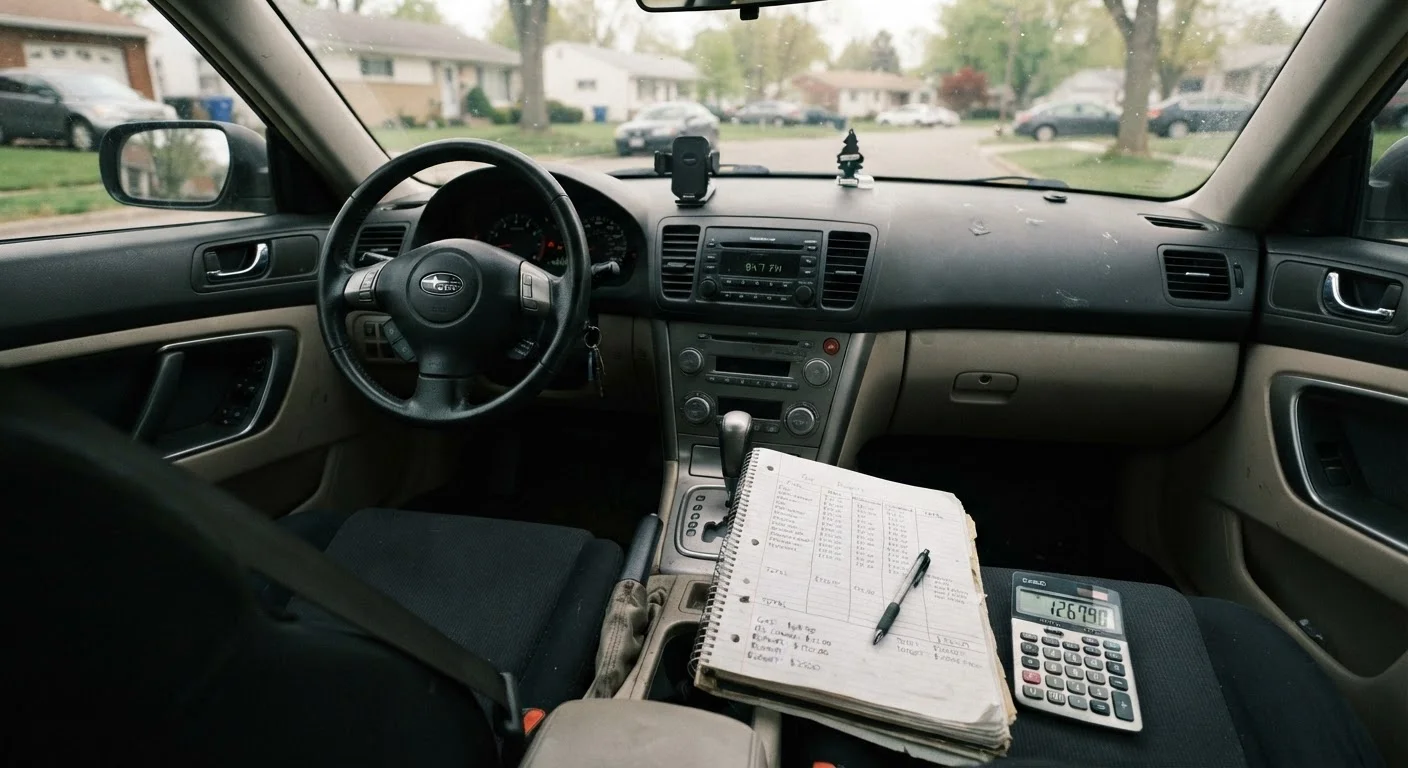
Photo: InsightsChief.com | Your Source Of Trusted Insights editorial

From skipping oil changes to underestimating financing charges, these common thinking errors quietly inflate what you pay to keep a car on the road.

Key Takeaways

  • Monthly payment focus causes drivers to overlook total financing cost, including interest paid over the loan term.
  • Skipping routine maintenance typically leads to larger, more expensive repairs down the road.
  • Depreciation is often a vehicle's single largest cost, yet most drivers never factor it into their budget.
  • Insurance coverage decisions made at purchase are rarely reviewed, leaving gaps or unnecessary overspending.
  • Fuel economy differences between vehicles can translate to thousands of dollars over a car's lifetime.

Why Cost Assumptions Are So Expensive

Most drivers don't overpay because they made one large, obvious mistake. They overpay because a series of small, reasonable-sounding assumptions quietly accumulate into a pattern of underestimating what a vehicle actually costs to own and operate.

The purchase price is concrete and visible. Everything that follows — interest, depreciation, fuel, insurance adjustments, and maintenance — tends to arrive gradually and feel separate from the original decision. That psychological distance is where the real cost exposure lives.

Understanding every major cost category in car ownership is the first step toward closing the gap between what drivers expect to pay and what they actually spend. The mistakes below represent the most common points where that gap widens.

Your Monthly Payment Is Not Your Car Cost

The monthly payment is the most visible number in a vehicle purchase, but it represents only a slice of what ownership actually costs. Interest charges, insurance, fuel, maintenance, and depreciation together can easily double or triple what drivers expect to spend. Building a realistic total cost picture before and after purchase is the only way to avoid chronic budget shortfalls.

The Most Costly Thinking Errors Drivers Make

These are not obscure pitfalls. They are patterns that affect everyday drivers across income levels and vehicle types. Recognizing them is the first step to avoiding the financial drag they create.

1

Treating the monthly payment as the full cost of ownership.

Why it happens: Lenders and dealerships often center negotiations on monthly payment size, which makes it easy to lose sight of the loan term, total interest, and all the costs that exist outside the loan.
How to avoid: Calculate the total amount you will pay over the life of the loan, including interest, before agreeing to any financing terms. Then layer in estimated annual costs for insurance, fuel, and maintenance to get a realistic monthly ownership figure. See what American drivers actually spend each year for a useful reference point.
2

Ignoring depreciation as a real, ongoing expense.

Why it happens: Depreciation is invisible — no bill arrives, and no cash leaves a bank account — so it rarely registers as a cost until a driver tries to trade in or sell and discovers the vehicle's market value.
How to avoid: Factor depreciation into your total cost of ownership calculation from the start. Depreciation hits hardest in the first few years, so understanding when it slows down can help you make smarter decisions about when to buy or sell.
3

Skipping or delaying routine maintenance to save money in the short term.

Why it happens: When budgets are tight, scheduled services like oil changes, tire rotations, and fluid checks feel discretionary — especially when nothing obvious is wrong with the vehicle.
How to avoid: Follow the manufacturer's maintenance schedule rather than pushing intervals. Small services are almost always less expensive than the repairs that result from skipping them. Your car maintenance schedule is one of the most effective cost-control tools available to any driver.
4

Dismissing dashboard warning lights as non-urgent.

Why it happens: Warning lights often appear without any noticeable change in how the car drives, which leads many drivers to assume the issue can wait until the next convenient service appointment.
How to avoid: Have warning lights diagnosed promptly. Delaying a response to dashboard warnings typically results in a larger repair bill than addressing the issue early. A code reading at a shop is usually low cost or free and gives you the information needed to prioritize the repair.
5

Setting car insurance coverage once and never revisiting it.

Why it happens: Auto insurance feels like a fixed background expense, and the renewal process is easy to accept passively — most policies auto-renew without any active review required.
How to avoid: Review your coverage at least annually. Significant life changes — paying off a loan, adding a driver, moving, or reaching a certain vehicle age — all affect what coverage makes sense. Common insurance decisions that backfire often stem from coverage set at purchase and never adjusted. Consult a licensed insurance agent if you are unsure what adjustments are appropriate for your situation.
6

Underestimating fuel costs when choosing a vehicle.

Why it happens: Buyers tend to focus on sticker price and monthly payment rather than operating costs, and fuel economy differences of a few miles per gallon seem trivial at the time of purchase.
How to avoid: Estimate lifetime fuel costs before committing to a vehicle by multiplying your expected annual mileage by your local fuel price and dividing by the vehicle's EPA fuel economy rating. Small differences in fuel economy compound significantly over seven to ten years of ownership.

Deferred Maintenance Compounds Quickly

Skipping an oil change or ignoring a minor fluid service may feel like a saving in the short term, but worn components rarely fail in isolation. A neglected cooling system can damage an engine; an ignored brake pad warning can mean rotor replacement alongside pad replacement. The cost of deferred maintenance almost always exceeds the cost of the task originally avoided.

If you're not sure what you're currently spending across all categories, a structured approach to tracking your actual vehicle expenses can surface costs that have been easy to overlook. For drivers who want a systematic review, a once-a-year cost audit provides a useful structure.

$12,000+

Average annual cost of car ownership in the US

AAA's annual 'Your Driving Costs' study consistently places total ownership costs — including depreciation, financing, fuel, and insurance — above $10,000 per year for a new vehicle.

~47%

Share of total ownership cost from depreciation alone

For many new vehicles, depreciation accounts for nearly half of total ownership expense over the first five years, according to industry cost-of-ownership analyses.

$3,000–$5,000

Estimated lifetime fuel cost difference per MPG

Small differences in fuel economy — even one or two miles per gallon — can add thousands of dollars in fuel spending across a typical ownership period of seven to ten years.

Car Ownership Editorial Team

InsightsChief.com | Your Source Of Trusted Insights

Car Ownership Editorial Team is the collective byline for our editorial team and contributor network. Articles published under this byline or an editorial pen name are researched, written, and reviewed according to our editorial standards for clarity, consistency, and independence before publication.

Car MaintenanceOwnership CostsCar Insurance
View author profile

The content provided on our blog site traverses numerous categories, offering readers valuable and practical information. Readers can use the editorial team’s research and data to gain more insights into their topics of interest. However, they are requested not to treat the articles as conclusive. The website team cannot be held responsible for differences in data or inaccuracies found across other platforms. Please also note that the site might also miss out on various schemes and offers available that the readers may find more beneficial than the ones we cover.