Building Your First Emergency Fund From Zero


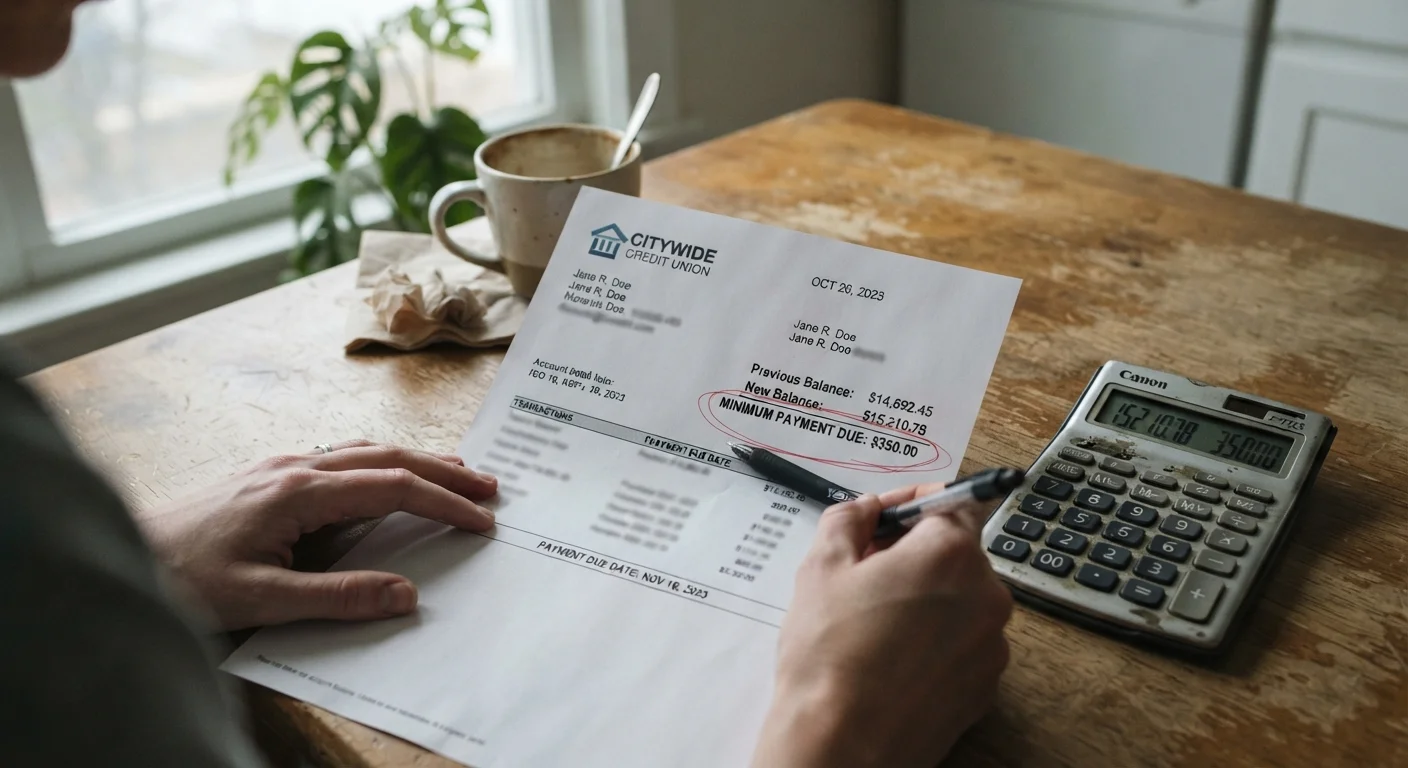
Photo: InsightsChief.com | Your Source Of Trusted Insights editorial
Key Takeaways
- A starter emergency fund of $500-$1,000 provides a meaningful buffer against common financial shocks.
- Saving small, consistent amounts beats waiting until you can save large sums.
- Automating transfers removes the willpower required to save every month.
- Your emergency fund should be accessible but kept separate from everyday spending accounts.
- Replenishing the fund after a withdrawal is just as important as building it the first time.
Why an Emergency Fund Is Non-Negotiable
Without a financial buffer, even a minor unexpected expense - a flat tire, an urgent dental visit, a missed week of work - can trigger a debt spiral. According to the Federal Reserve's Report on the Economic Well-Being of U.S. Households, a significant share of American adults say they would struggle to cover an unexpected $400 expense without borrowing or selling something. That vulnerability is exactly what an emergency fund addresses.
An emergency fund isn't about being wealthy. It's about breaking the cycle where one bad week becomes three bad months. When you have even a small cash cushion, you gain options: you can pay out of pocket instead of reaching for a credit card, and you avoid the high-interest costs that follow. If you're managing family expenses too, the stakes are even higher - see our guide on raising kids on a tight budget for related strategies.
Emergency fund
A dedicated pool of cash set aside to cover unexpected, necessary expenses - like medical bills or job loss - without resorting to debt.
Starter emergency fund
A smaller initial savings target (typically $500-$1,000) intended to provide a basic buffer before building toward a fuller three-to-six-month reserve.
Sinking fund
A separate savings bucket designated for a known future expense, like a car registration or holiday gifts. Unlike an emergency fund, the expense is planned in advance.
Automated transfer
A scheduled, recurring movement of money from one account to another - set up once so saving happens automatically without requiring a conscious decision each time.
FDIC/NCUA insurance
Federal programs that protect depositors' money in insured banks (FDIC) and credit unions (NCUA), typically up to $250,000 per depositor per institution.
How Much You Actually Need to Start
Forget the "three to six months of expenses" rule for now. That's the destination, not the starting line. Your immediate goal is a starter emergency fund of $500 to $1,000. This single milestone covers the most common financial shocks - a car repair, a medical copay, an appliance replacement - without requiring years of saving first.
Once you hit that starter target, you can shift focus to building toward one month of essential expenses, then two, and eventually the full three-to-six-month cushion. Breaking the goal into stages keeps it achievable and gives you real milestones to celebrate. For a broader framework that includes emergency saving within an overall savings plan, the complete household savings plan guide walks through each layer in detail.
Finding Money in a Tight Budget
This is the part most people get stuck on - and understandably so. If your income barely covers your bills, "just save more" isn't useful advice. Here's what actually works:
- Audit subscriptions and recurring charges. Review your bank and card statements for charges you've forgotten about. Canceling even one unused subscription can free up $10-$20 monthly.
- Redirect windfalls. Tax refunds, rebates, or a small work bonus are natural starting points. Depositing even half of a windfall before it touches your checking account builds the fund quickly without changing daily habits.
- Sell unused items. Electronics, clothing, and furniture you no longer use can generate a one-time deposit to kick-start the fund.
- Round-up strategies. Some households round their grocery or utility spending up to the nearest $5 and transfer the difference manually each week - small amounts that compound over time.
If you haven't mapped your monthly cash flow yet, building a monthly household budget from scratch is the right place to start - it helps you see exactly where the gaps are.
Start With One Week's Worth
Where to Keep Your Emergency Fund
The right account for an emergency fund has two qualities: it's federally insured (FDIC for banks, NCUA for credit unions) and it's separate from your everyday checking account. Separation reduces the temptation to treat emergency savings as spending money.
A standard savings account at a bank or credit union works well. Some people find that keeping the fund at a different institution than their primary bank adds one more layer of friction - making it slightly harder to transfer funds impulsively, which is a feature, not a bug.
Note that emergency funds are not investment vehicles. The goal is stability and fast access, not returns. For a comparison of how emergency funds differ from goal-based saving buckets, see sinking funds vs. emergency funds.
Interest Rates on Savings Accounts Vary
Staying Consistent When It Gets Hard
Consistency is the real challenge. The most reliable way to stay on track is to remove the decision from your hands entirely. Setting up an automatic transfer - even $25 per paycheck - on the same day you get paid means the money moves before you have a chance to spend it. This approach, sometimes called paying yourself first, works because it bypasses the willpower problem. Our article on the pay-yourself-first savings strategy explains how to set it up step by step.
Two other habits that help:
- Track your fund balance monthly. Watching the number grow - even slowly - reinforces the habit and makes the goal feel real.
- Replenish after every withdrawal. If you use the fund for a genuine emergency, that's exactly what it's there for. Resume contributions immediately to restore the buffer.
Building an emergency fund from zero is not a linear process. Setbacks happen. The measure of success is whether you restart - not whether you avoid every stumble.
This article is for general informational and educational purposes only and does not constitute personalized financial, tax, or legal advice. Please consult a qualified financial professional for guidance specific to your circumstances.
Frequently Asked Questions
The content provided on our blog site traverses numerous categories, offering readers valuable and practical information. Readers can use the editorial team’s research and data to gain more insights into their topics of interest. However, they are requested not to treat the articles as conclusive. The website team cannot be held responsible for differences in data or inaccuracies found across other platforms. Please also note that the site might also miss out on various schemes and offers available that the readers may find more beneficial than the ones we cover.