
Pay Yourself First: The Savings Strategy That Works Before Willpower Does

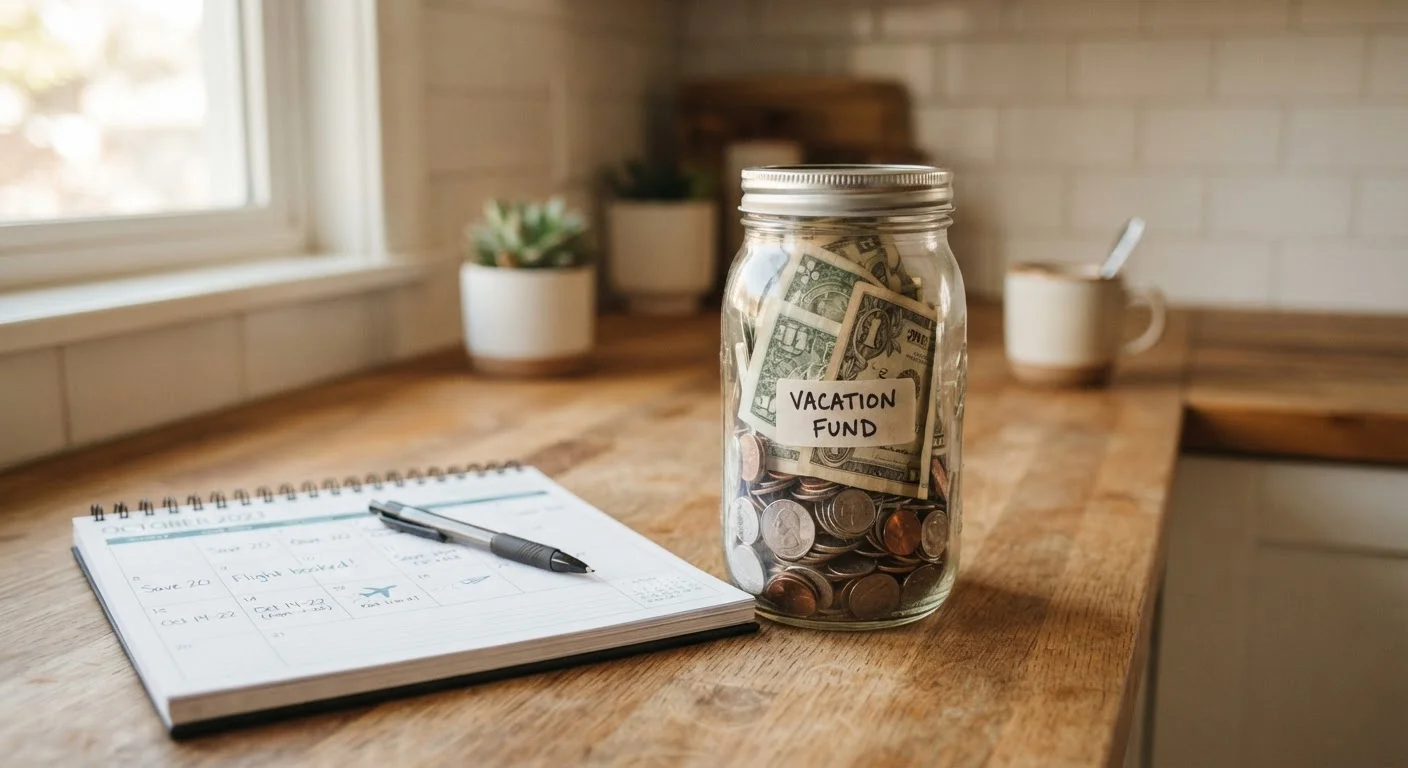
Photo: InsightsChief.com | Your Source Of Trusted Insights editorial
Key Takeaways
- Saving before you spend sidesteps the willpower problem that derails most budgets.
- Even small automatic transfers - as little as $10 per paycheck - build the habit and grow over time.
- Most banks and employers let you split deposits or schedule recurring transfers with no fees.
- The strategy works alongside debt repayment; you don't have to choose one or the other.
- Starting small and increasing gradually is more sustainable than a large transfer that gets reversed.
Why Willpower Alone Doesn't Cut It
Most people intend to save. The plan is to spend carefully throughout the month and put whatever's left into savings. The problem is that money sitting in a checking account tends to get spent - on a dinner out, an unexpected car repair, or just the gradual friction of daily life. By month's end, there's often nothing left to save.
This isn't a character flaw. It's how spending decisions work under normal conditions. When money is visible and available, it gets used. The pay-yourself-first strategy short-circuits this pattern by removing the decision entirely. You save the moment income arrives, and you live on the rest.
For households managing tight finances, this structural shift can be more effective than any amount of careful tracking or self-discipline. The Saving Strategies hub covers several frameworks for building financial cushion - but this one stands out because it works before you have a chance to second-guess it.
57%
Americans unable to cover a $1,000 emergency
According to a Bankrate survey, more than half of U.S. adults could not cover a $1,000 unexpected expense from savings alone.
< $500
Median emergency savings for lowest-income households
The Federal Reserve's Report on the Economic Well-Being of U.S. Households has consistently found that lower-income households carry minimal liquid savings buffers.
How to Put It Into Practice
The mechanics are straightforward. You set up an automatic transfer from your checking account to a savings account to occur on - or just after - your pay date. Many employers also allow direct deposit splitting, meaning a portion of your paycheck goes directly to savings before it even touches your checking account.
The key is automation. A manual transfer requires a decision, and decisions can be skipped. An automatic transfer requires action to stop it - which is a much higher bar. For a deeper look at the setup process, see how automated savings transfers work in practice.
Choose an amount that's sustainable. Transferring 20% of your paycheck sounds great until an unexpected bill forces you to reverse it - and reversing becomes a habit of its own. Start conservatively. A $25 automatic transfer that stays put beats a $200 transfer that gets pulled back every other month.
Open a Separate Account for Savings
Where the Money Should Go
For most households, the priority order looks like this:
- Emergency fund first. If you don't have three to six months of essential expenses saved, this is where automatic savings should go. Even a starter cushion of $500-$1,000 changes how you respond to setbacks. See building your first emergency fund from zero for a step-by-step approach.
- Employer retirement plans. If your employer offers a match on retirement contributions, contributing enough to capture it is generally considered a high-priority step - a match is effectively additional compensation. This is general information; consult a qualified financial adviser about what makes sense for your situation.
- Specific savings goals. Once an emergency fund is in place, additional automatic transfers can fund a home repair reserve, a vehicle fund, or other household priorities.
If you're also working to pay off debt, you don't necessarily have to pause savings entirely. Paying down debt while saving outlines how to think through both goals at once. A complete household savings plan can also help you map this across multiple goals.
Making It Stick Over Time
The strategy tends to compound on itself. Once automatic saving becomes a baseline habit, many households find it easier to increase the transfer gradually - often without feeling a significant lifestyle change. A $10 increase every few months adds up over a year without requiring a dramatic budget overhaul.
Review your transfer amount when your income changes. A pay increase is a natural trigger to redirect some of that new income into savings before your spending adjusts upward to absorb it.
Combining this approach with low-effort earning habits - like the kind outlined in setting up a cashback routine on autopilot - can layer on additional savings without requiring active effort. Small systems, stacked together, reduce how much your financial progress depends on memory, motivation, or mood.
This article is for general informational and educational purposes only and does not constitute personalised financial advice. Consult a qualified financial adviser for guidance specific to your circumstances.
Frequently Asked Questions
The content provided on our blog site traverses numerous categories, offering readers valuable and practical information. Readers can use the editorial team’s research and data to gain more insights into their topics of interest. However, they are requested not to treat the articles as conclusive. The website team cannot be held responsible for differences in data or inaccuracies found across other platforms. Please also note that the site might also miss out on various schemes and offers available that the readers may find more beneficial than the ones we cover.