
Why Small Roof Leaks Turn Into Big Problems

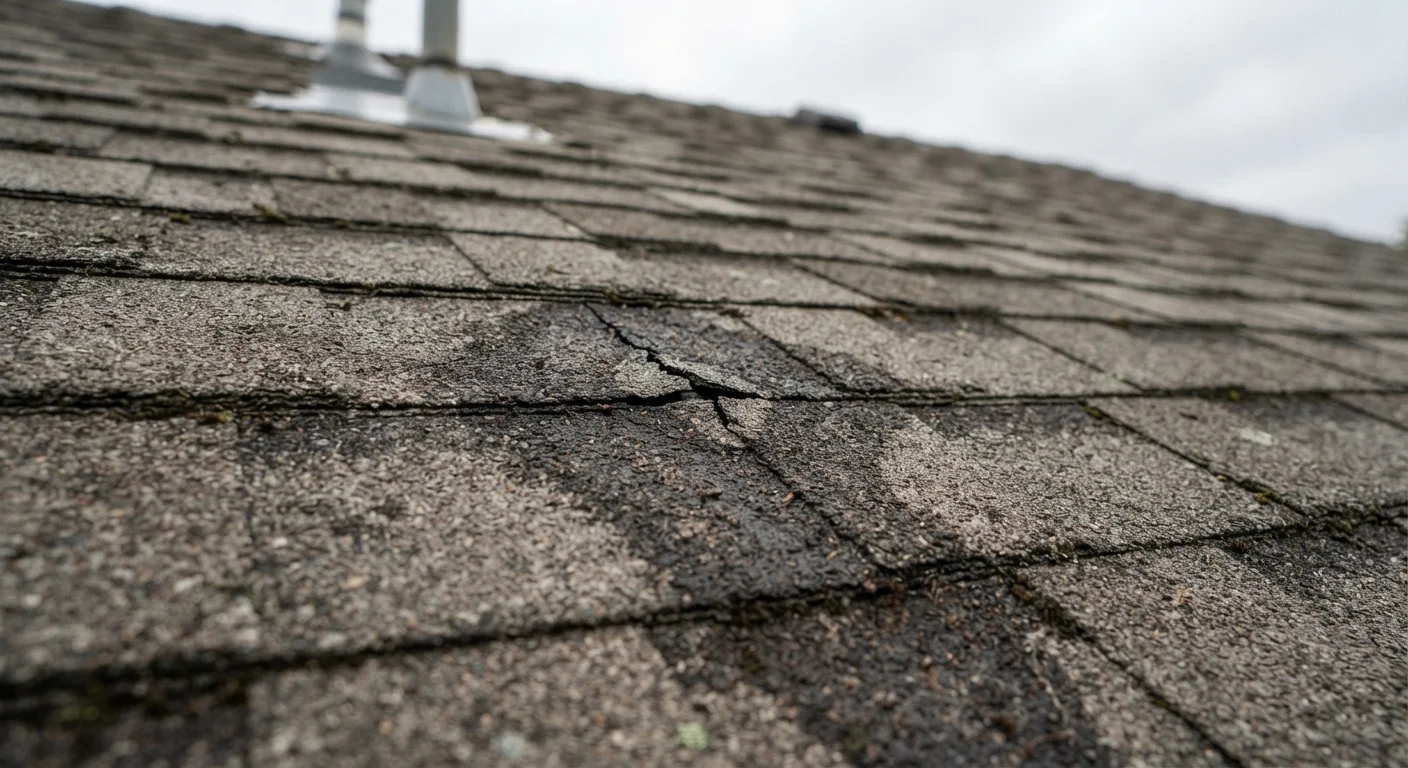
Photo: InsightsChief.com | Your Source Of Trusted Insights editorial
Key Takeaways
- Even a tiny roof breach can saturate structural wood framing within a single wet season.
- Mold can begin growing on damp materials in as little as 24 to 48 hours after water intrusion.
- Many leak entry points are hidden in flashing, valleys, and around penetrations - not just missing shingles.
- Early detection through twice-yearly inspections can prevent repairs that cost many times more than routine maintenance.
- Interior stains on ceilings or walls often lag far behind the actual point of water entry on the roof.
How Water Finds Its Way In
A roof doesn't need a gaping hole to fail. The most common entry points are subtle: lifted or cracked shingles, deteriorating flashing around chimneys and skylights, clogged valleys where two roof planes meet, and failed sealant around pipe penetrations. These gaps may measure only a fraction of an inch, yet they admit enough water during rain events to begin a slow, hidden cycle of damage.
Flashing - the thin metal strips that seal transitions between roofing materials - is especially vulnerable. It expands and contracts with temperature swings, and over years, the sealant holding it in place dries and cracks. For a closer look at how your home's drainage system relates to roof water management, see how gutters and downspouts direct water away from your home.
The Attic Is Your Early Warning System
The Cascade of Damage Beneath the Surface
Once water breaches the outer layer, it doesn't stop at the sheathing. It travels downward through insulation - dramatically reducing its thermal performance - and soaks into the wood framing of rafters and roof decking. Prolonged moisture exposure causes wood to soften, swell, and eventually rot, compromising the structural integrity of the roof assembly itself.
Mold is a parallel concern. Common household molds thrive in dark, damp, poorly ventilated spaces like attic cavities, and they can begin colonizing damp wood or insulation within 24 to 48 hours. Remediation adds significant expense to what might have begun as a minor repair - and in some cases, mold growth behind finished walls or ceilings isn't discovered until a renovation uncovers it years later.
24-48 hrs
Time for mold to begin growing on damp materials
Environmental Protection Agency guidance indicates mold can start colonizing wet building materials within one to two days of moisture exposure.
40%
Of all building-related illnesses linked to water intrusion
The World Health Organization has noted that dampness and mold in buildings are associated with a significant share of indoor environmental health concerns.
7x
Potential cost multiplier when minor leaks become structural
Industry estimates from roofing trade associations suggest that repairs delayed past the point of sheathing or framing damage can cost many times more than early intervention.
Why the Visible Damage Lags Behind the Real Problem
Homeowners often assume that if there's no water stain on the ceiling, there's no leak. This is one of the most costly misconceptions in home maintenance. Water entering through a roof breach follows the path of least resistance - often traveling horizontally along a rafter or drip edge before finally falling in a location that may be several feet from the actual entry point. By the time a stain appears indoors, moisture has typically been present in the structure for some time.
Attic inspections are far more revealing than ceiling checks alone. Signs of concern in an attic include dark staining on sheathing boards, soft spots in the decking, water trails on rafters, and any evidence of insulation that appears matted, discolored, or compressed. These are indicators that a leak has been active longer than the interior of the home suggests.
The broader principle - that small deferred problems compound into expensive ones - applies well beyond roofing. Our piece on home maintenance tasks homeowners frequently put off covers the compounding cost logic across common household systems.
Early Detection and What Homeowners Can Do
Twice-yearly roof inspections - ideally in spring and fall - are one of the highest-value maintenance habits a homeowner can develop. A ground-level visual check with binoculars can reveal lifted, missing, or curling shingles, and gaps in flashing. Pair that with an attic walkthrough after heavy rain to look for signs of active moisture intrusion.
Seasonal preparation also matters. Weatherproofing your home before winter includes checking roofing components before freeze-thaw cycles stress existing vulnerabilities further.
For work beyond a basic visual inspection or simple surface resealing - particularly anything involving flashing, valleys, or structural framing - engaging a licensed roofing contractor is strongly advisable. Roof surfaces are hazardous working environments, and the risk of injury from a fall far outweighs the cost of professional labor. Always verify that any contractor carries appropriate licensing and insurance before work begins.
Document What You Find During Inspections
Frequently Asked Questions
The content provided on our blog site traverses numerous categories, offering readers valuable and practical information. Readers can use the editorial team’s research and data to gain more insights into their topics of interest. However, they are requested not to treat the articles as conclusive. The website team cannot be held responsible for differences in data or inaccuracies found across other platforms. Please also note that the site might also miss out on various schemes and offers available that the readers may find more beneficial than the ones we cover.