
Fresh vs. Frozen vs. Canned Produce: Sorting Out the Nutritional Reality

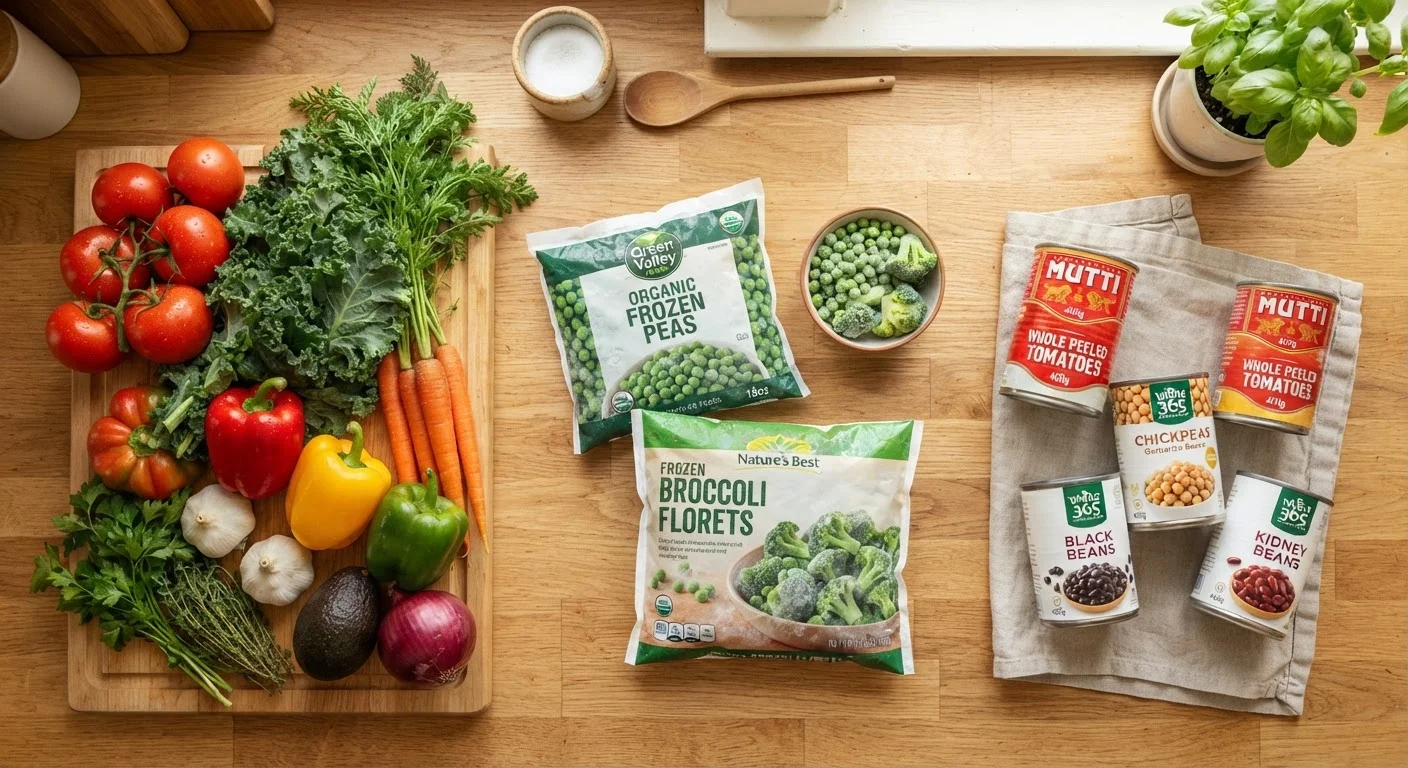
Photo: InsightsChief.com | Your Source Of Trusted Insights editorial
Key Takeaways
- Frozen produce is often nutritionally comparable to fresh, and sometimes superior, due to rapid processing after harvest.
- Canned vegetables and fruit can be nutritious, but rinsing reduces excess sodium and draining syrup lowers added sugar.
- Fresh produce peaks in nutrition when eaten soon after harvest; storage time matters more than most shoppers realize.
- Cost differences between fresh, frozen, and canned are significant and worth factoring into meal planning.
- Combining all three forms across the week is a practical strategy for nutrition, variety, and budget management.
The Myth That Fresh Is Always Best
Many families assume that fresh produce sitting in the refrigerator is the most nutritious choice available. The reality is more nuanced. Nutrient content in fresh fruits and vegetables begins to decline as soon as they are harvested. By the time produce travels from farm to distribution center to store shelf to your kitchen, several days - sometimes more than a week - may have passed. Water-soluble vitamins such as vitamin C and certain B vitamins are particularly sensitive to heat, light, and time.
Research published in peer-reviewed nutrition journals has found that the nutrient gap between fresh, frozen, and canned is often smaller than consumers expect - and in some cases, fresh produce stored at home loses nutrients faster than its frozen or canned equivalents. This doesn't make fresh produce a poor choice; it simply means the advantage isn't as automatic as the label implies. For a broader look at how food processing affects nutritional value, see our comparison of whole and processed foods.
How Each Form Is Produced - and What That Means for Nutrition
Fresh: Harvested and shipped, ideally eaten within a few days. Nutrients are at their peak right after picking but degrade with time and exposure. Locally sourced or farmers' market produce eaten quickly offers the closest thing to peak freshness.
Frozen: Typically blanched briefly - a short heat treatment that deactivates spoilage enzymes - then flash-frozen within hours of harvest. This process locks in most nutrients very effectively. Studies comparing frozen and fresh stored for several days generally find frozen holds similar or better levels of key vitamins. Plain frozen vegetables with no added sauces or salt are nutritionally straightforward choices.
Canned: Cooked at high heat during the canning process, which does reduce heat-sensitive vitamins. However, minerals and fiber are largely preserved, and some nutrients - notably lycopene in tomatoes - actually become more bioavailable (easier for the body to absorb) after heat processing. The main concerns with canned goods are added sodium in vegetables and added sugar or syrup in fruit. Rinsing canned vegetables under water can reduce sodium content meaningfully; choosing fruit canned in water or its own juice reduces added sugar.
| Fresh | Frozen | Canned | |
|---|---|---|---|
| Nutrient retention | High when very fresh; declines with storage | High - locked in near harvest | Moderate; minerals and fiber well preserved |
| Average cost per serving | Varies widely by season | Low to moderate | Generally lowest |
| Shelf life | Days to 1-2 weeks | Several months in freezer | 1-5 years unopened |
| Convenience | Requires washing and prep | Minimal prep, cook from frozen | Minimal prep, rinse and use |
| Added sodium/sugar risk | None | Low - check labels for sauces | Moderate - rinse vegetables, choose fruit in water |
| Best use case | Salads, raw eating, in-season cooking | Stir-fries, soups, quick meals | Soups, stews, pantry staples |
This is general nutritional information, not personalized dietary advice. Consult a registered dietitian or healthcare provider for guidance specific to your household's needs.
Cost and Convenience: The Practical Picture
Cost per serving is where canned and frozen produce pull ahead most clearly. Canned goods typically offer the lowest price per serving and can be stored for months or even years, reducing food waste - a hidden cost in many household budgets. Frozen vegetables sit in the middle ground: more expensive than most canned options but often cheaper than fresh, with a freezer life of several months.
Fresh produce costs vary considerably by season and region. In-season, locally abundant produce can rival or undercut frozen prices, while out-of-season fresh items can be significantly more expensive and nutritionally diminished from long transport. Planning meals around seasonal availability makes fresh produce more economical. Affordable grocery staples frequently include canned and frozen produce for good reason - they deliver real dietary value at accessible prices.
Simple Tips for Getting the Most from Each Form
For families with growing children, meal-planning strategies that balance nutrition and cost can help integrate all three forms of produce effectively across the week.
Practical Strategies for Mixing All Three
Rather than committing to a single form, most nutrition experts suggest a flexible approach. Use fresh produce when it is in season, locally available, and competitively priced - or when raw texture matters, such as in salads. Rely on frozen vegetables for weeknight cooking when time is limited; they go directly from freezer to pan and require no prep. Stock canned goods - beans, tomatoes, corn, chickpeas - as a budget-friendly nutritional foundation for soups, stews, and grain dishes.
When choosing canned options, look for low-sodium or no-salt-added vegetables, and select fruit in water or natural juice rather than heavy syrup. For frozen, plain vegetables without added sauces, butter, or salt give you the most control over seasoning and nutrition. The question of organic versus conventional follows similar logic - the form of produce matters, but so does whether it fits your household's realistic budget and habits.
This article provides general nutrition information for educational purposes only and is not a substitute for advice from a qualified healthcare provider or registered dietitian.
The content provided on our blog site traverses numerous categories, offering readers valuable and practical information. Readers can use the editorial team’s research and data to gain more insights into their topics of interest. However, they are requested not to treat the articles as conclusive. The website team cannot be held responsible for differences in data or inaccuracies found across other platforms. Please also note that the site might also miss out on various schemes and offers available that the readers may find more beneficial than the ones we cover.