
What Pet Insurance Actually Covers - and What It Doesn't

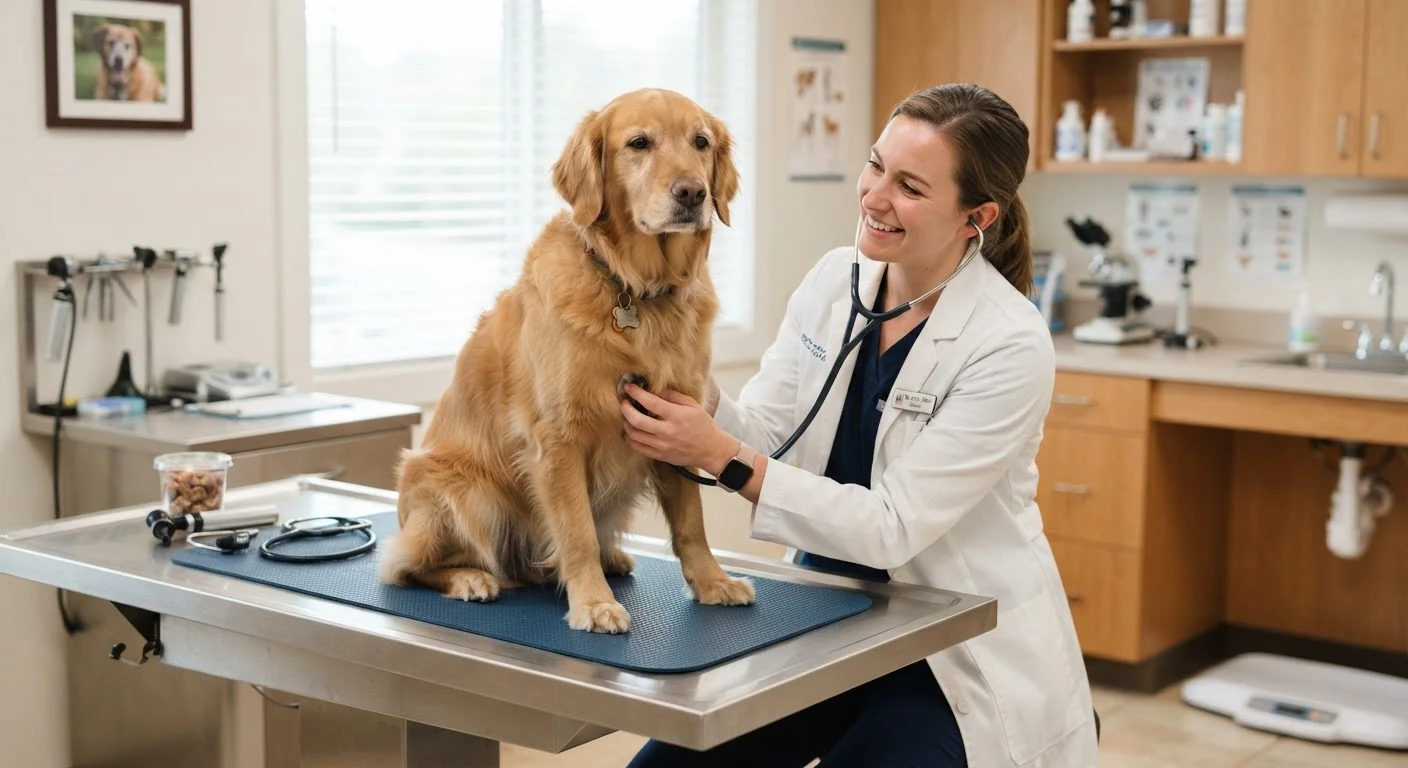
Photo: InsightsChief.com | Your Source Of Trusted Insights editorial
Key Takeaways
- Most pet insurance covers accidents and illnesses but typically excludes pre-existing conditions.
- Routine and preventive care (vaccines, wellness exams) usually require a separate wellness add-on.
- Hereditary and breed-specific conditions may or may not be covered depending on the policy.
- Reimbursement rates, deductibles, and annual limits vary significantly across plans.
- Reading the exclusions section of any policy is just as important as reviewing what's included.
- Pet insurance is general financial education - consult a licensed agent for advice on your specific situation.
What Most Pet Insurance Policies Do Cover
The core of most pet insurance plans - often called accident and illness coverage - is designed to help when something unexpected goes wrong with your pet's health. Here's what typically falls within scope:
- Accidents: Broken bones, lacerations, swallowed objects, and injuries from falls or collisions are commonly covered.
- Illnesses: Conditions like infections, cancer, diabetes, and digestive disorders are generally included in comprehensive plans.
- Surgeries and hospitalization: If your pet needs an operation or an overnight stay at a veterinary facility, these costs are usually eligible.
- Diagnostic tests: X-rays, bloodwork, MRIs, and ultrasounds related to a covered condition are typically reimbursable.
- Specialist visits: Referrals to veterinary specialists - cardiologists, oncologists, neurologists - often qualify under illness coverage.
- Prescription medications: Drugs prescribed to treat a covered condition are usually included, though some plans cap the amounts.
The specific reimbursement percentage, annual limit, and deductible structure shape how much financial relief you actually see. A plan that reimburses 80% after a $250 annual deductible with a $10,000 limit behaves very differently from one with a $500 per-incident deductible and a $5,000 cap.
~4.1M
Pets insured in the U.S.
According to the North American Pet Health Insurance Association (NAPHIA), U.S. pet insurance enrollment has grown steadily in recent years, reflecting rising veterinary costs.
$1,100-$4,000+
Typical emergency vet visit cost
Emergency procedures such as foreign object removal or orthopedic surgery can easily run into thousands of dollars, according to general veterinary industry estimates.
70-90%
Common reimbursement range
Most accident and illness pet insurance plans reimburse between 70% and 90% of covered expenses after the deductible, though exact figures vary by plan.
The Exclusions That Catch Pet Owners Off Guard
Knowing what isn't covered is arguably more important than knowing what is. Several common exclusions surprise new policyholders:
- Pre-existing conditions: Any illness, injury, or symptom present before the policy's effective date is almost universally excluded. This includes conditions noted in past veterinary records, even informally.
- Routine and preventive care: Standard plans don't cover wellness exams, vaccinations, flea/tick prevention, or spaying and neutering. These require an optional wellness add-on, which carries its own premium.
- Dental disease: While traumatic dental injuries may be covered, periodontal disease and tooth extractions related to neglect are frequently excluded.
- Cosmetic procedures: Ear cropping, tail docking, and declawing are excluded by virtually all policies.
- Breeding and pregnancy: Costs related to pregnancy, whelping, or breeding are typically not covered.
- Behavioral issues: Some plans exclude behavioral therapy, though this is evolving and a small number of policies do include limited behavioral coverage.
Waiting Periods Apply to Most Plans
Hereditary and breed-specific conditions sit in a gray zone. A plan may cover hip dysplasia in a German Shepherd - but only if it wasn't diagnosed or symptomatic before enrollment. Others carve out hereditary conditions entirely. If your pet's breed has known health tendencies, scrutinize this section of any policy you're considering.
How Policy Structure Affects Your Real Costs
Even when a claim is eligible, several policy variables determine how much you ultimately receive:
- Deductible
- This is the amount you pay before reimbursement starts. Annual deductibles (one threshold for the whole year) are generally more favorable than per-incident deductibles (a separate threshold for each new condition).
- Reimbursement percentage
- Plans typically reimburse 70%, 80%, or 90% of covered costs after the deductible. Higher reimbursement percentages come with higher premiums.
- Annual or lifetime limits
- Many policies cap the total reimbursement per year or per condition. Unlimited plans exist but cost more. For pets prone to chronic conditions, a higher or unlimited cap may be worth exploring.
It's also worth noting how the insurer calculates reimbursement. Some reimburse a percentage of your actual vet bill; others reimburse based on a benefit schedule - a set dollar amount the insurer assigns to each procedure, which may be lower than what your vet charges.
Just like understanding what each layer of an auto policy covers - as explored in our explainer on liability, collision, and comprehensive coverage - mapping pet insurance layers to real scenarios helps you see the practical value of each plan.
Making an Informed Decision for Your Pet and Your Budget
Pet insurance isn't a one-size-fits-all product, and whether it makes financial sense depends on your pet's species, age, breed, and health history - as well as your household's financial cushion. A few practical considerations:
- Enroll young and healthy: Premiums are generally lower for younger pets, and fewer pre-existing conditions mean fewer exclusions. Waiting until a pet develops a condition means that condition won't be covered.
- Compare across multiple policy documents: Marketing summaries can obscure important exclusions. Reading the actual policy document - especially the exclusions section - gives you a clearer picture.
- Ask about waiting periods: Most plans have them, and some are longer for orthopedic conditions (sometimes up to six months).
- Consider an emergency fund as an alternative or complement: Some families maintain a dedicated pet savings fund alongside or instead of insurance, depending on their pet's risk profile.
If you're weighing similar cost-versus-coverage trade-offs in other areas of household insurance, the approach used in our look at travel insurance on a tight budget applies here too: match coverage to realistic risk, not worst-case anxiety.
Pet insurance is a form of financial planning, not a guarantee. Consulting a licensed insurance agent who works with pet policies can help you evaluate options against your specific situation and budget.
This article is for general informational purposes only and does not constitute personalized insurance, financial, or veterinary advice. Coverage terms, exclusions, and premiums vary by provider and individual policy. Always read your policy documents carefully and consult a licensed insurance professional before making coverage decisions.
Frequently Asked Questions
The content provided on our blog site traverses numerous categories, offering readers valuable and practical information. Readers can use the editorial team’s research and data to gain more insights into their topics of interest. However, they are requested not to treat the articles as conclusive. The website team cannot be held responsible for differences in data or inaccuracies found across other platforms. Please also note that the site might also miss out on various schemes and offers available that the readers may find more beneficial than the ones we cover.