
Collision vs. Comprehensive: Knowing Which Claim to File

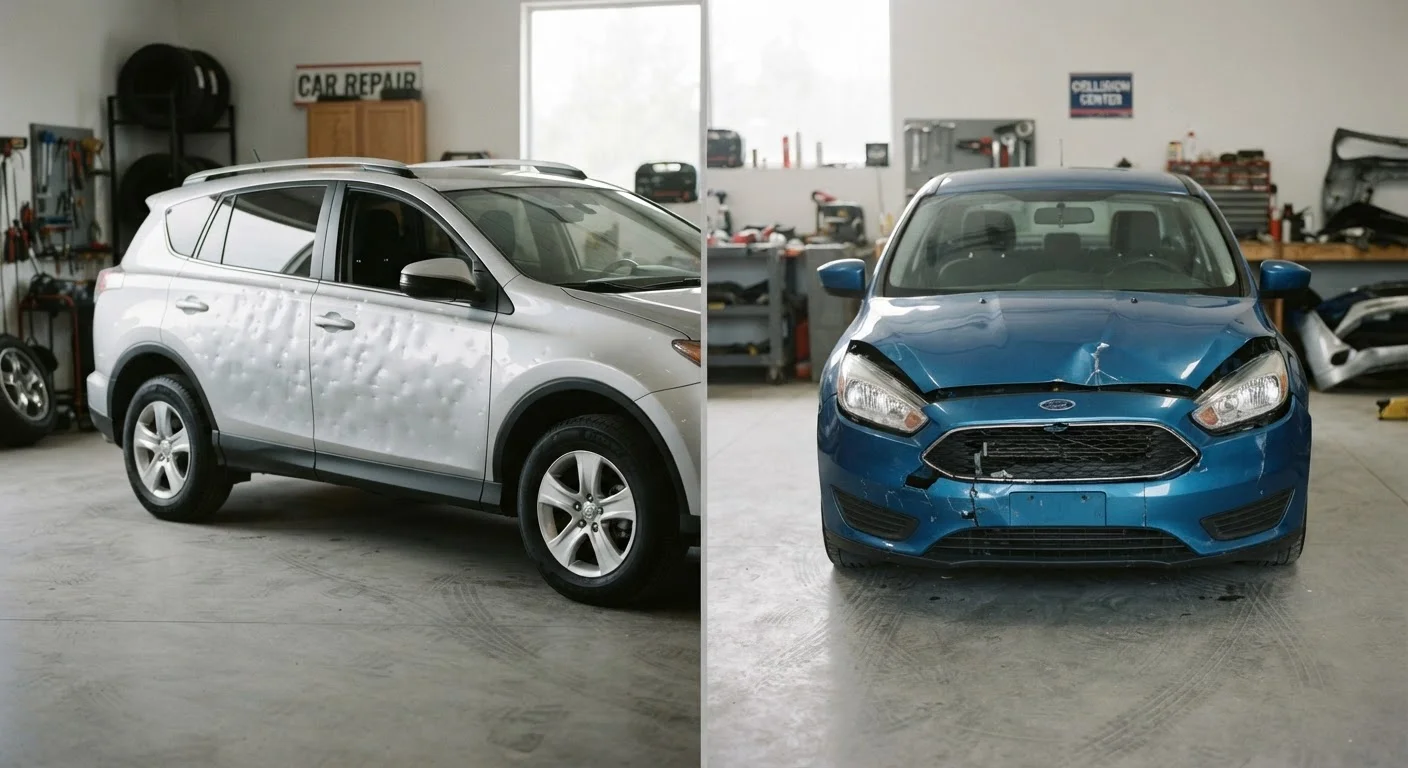
Photo: InsightsChief.com | Your Source Of Trusted Insights editorial
Key Takeaways
- Collision coverage applies when your car makes physical contact with another vehicle or a stationary object.
- Comprehensive coverage applies to damage from weather, theft, fire, vandalism, and animal strikes.
- Both coverages carry a separate deductible; the higher your deductible, the lower your premium.
- A deer strike is typically filed under comprehensive, not collision - even though impact is involved.
- Lenders and lessors usually require both coverages if you finance or lease your vehicle.
- Filing a claim isn't always the right move - weigh the repair cost against your deductible first.
What Each Coverage Actually Does
Most drivers know they have both collision and comprehensive on their policy - fewer know exactly where the line between them falls. The distinction matters most when damage actually happens and you need to file correctly.
Collision coverage pays to repair or replace your vehicle when it sustains damage from making contact with something else: another car, a pothole, a concrete barrier, or even your own garage door. It doesn't matter who caused the accident - collision applies whether you rear-ended another driver or were rear-ended yourself, assuming the other driver is uninsured or underinsured.
Comprehensive coverage (sometimes called "other than collision") handles losses that don't involve your vehicle striking something. Theft, fire, vandalism, flooding, hail, falling tree limbs, and animal strikes all fall here. The common thread is that these events are largely outside any driver's direct control.
For a broader primer on how these coverages fit into your overall policy structure, see Car Insurance Decoded.
| Criterion | Collision Coverage | Comprehensive Coverage |
|---|---|---|
| Trigger event | Impact with vehicle or object | Non-collision event (weather, theft, animals) |
| Fault requirement | Applies regardless of fault | Fault not applicable |
| Typical deductible | $500-$1,500 | $100-$1,000 |
| Premium cost | Generally higher | Generally lower |
| Deer strike | Not covered | Covered |
| Flood damage | Not covered | Covered |
| Theft | Not covered | Covered |
| Fender bender | Covered | Not covered |
| Required by lenders | Yes, typically | Yes, typically |
The Cases That Confuse Most Drivers
A few scenarios trip people up every year because they seem like collisions but aren't - or vice versa.
Deer strikes
Hitting a deer is almost universally classified as a comprehensive event. The animal ran into the road; you didn't choose to strike an object. However, if you swerved to avoid the deer and hit a tree, that secondary impact with the tree is a collision event. You could face two separate claims with two separate deductibles - something worth clarifying with your insurer before assuming one claim covers both damages.
Flood damage
Whether from a hurricane, flash flood, or a storm drain overflow, water damage to your vehicle's interior, engine, or electrical systems is a comprehensive claim. Collision coverage would not apply even if the flood moved your car into another object.
Parking lot incidents
A hit-and-run dent in a parking lot is a collision claim under your own policy if the other driver can't be identified. If someone intentionally scratched or keyed your vehicle, that's comprehensive (vandalism).
~$500
Most common collision deductible chosen
Industry data from the Insurance Information Institute indicates $500 is among the most frequently selected collision deductibles in the US.
~25%
Share of insured vehicles with comprehensive only
A notable share of older vehicles are insured with comprehensive but not collision, according to industry estimates, reflecting owners who drop collision once car value declines.
When in doubt about which claim type applies, contact your insurer before filing. Getting it wrong doesn't void your coverage, but it can slow the process.
Deductibles, Premiums, and When Not to File
Both collision and comprehensive carry separate deductibles - the amount you pay out of pocket before coverage kicks in. Common deductible amounts range from $250 to $1,500. Choosing a higher deductible lowers your monthly premium but increases your exposure when something goes wrong.
Before filing any claim, do a quick calculation: if the repair estimate is $900 and your collision deductible is $750, you'd only recover $150 from your insurer. That modest payout may not be worth a potential rate increase at renewal. This calculation is especially relevant for minor collision damage where you were at fault.
Comprehensive deductibles tend to be lower than collision deductibles on many policies, which can make smaller comprehensive claims - a cracked windshield, for instance - worth filing more often.
If you're financing or leasing your vehicle, your lender almost certainly requires both coverages. Dropping either one to save on premiums would violate your loan or lease terms. For more on how coverage choices interact with cost, see Full Coverage vs. Minimum Coverage.
Once you've determined which claim type applies, the filing process follows the same general steps regardless. See Before You File a Car Insurance Claim for a full breakdown of what to expect from documentation through settlement.
This article provides general information about auto insurance coverage types and is not a substitute for personalized advice from a licensed insurance professional. Coverage terms, definitions, and claim outcomes vary by insurer and policy. Always review your actual policy documents and consult a licensed agent for guidance specific to your situation.
The content provided on our blog site traverses numerous categories, offering readers valuable and practical information. Readers can use the editorial team’s research and data to gain more insights into their topics of interest. However, they are requested not to treat the articles as conclusive. The website team cannot be held responsible for differences in data or inaccuracies found across other platforms. Please also note that the site might also miss out on various schemes and offers available that the readers may find more beneficial than the ones we cover.