
Before You File a Car Insurance Claim: A Step-by-Step Walkthrough

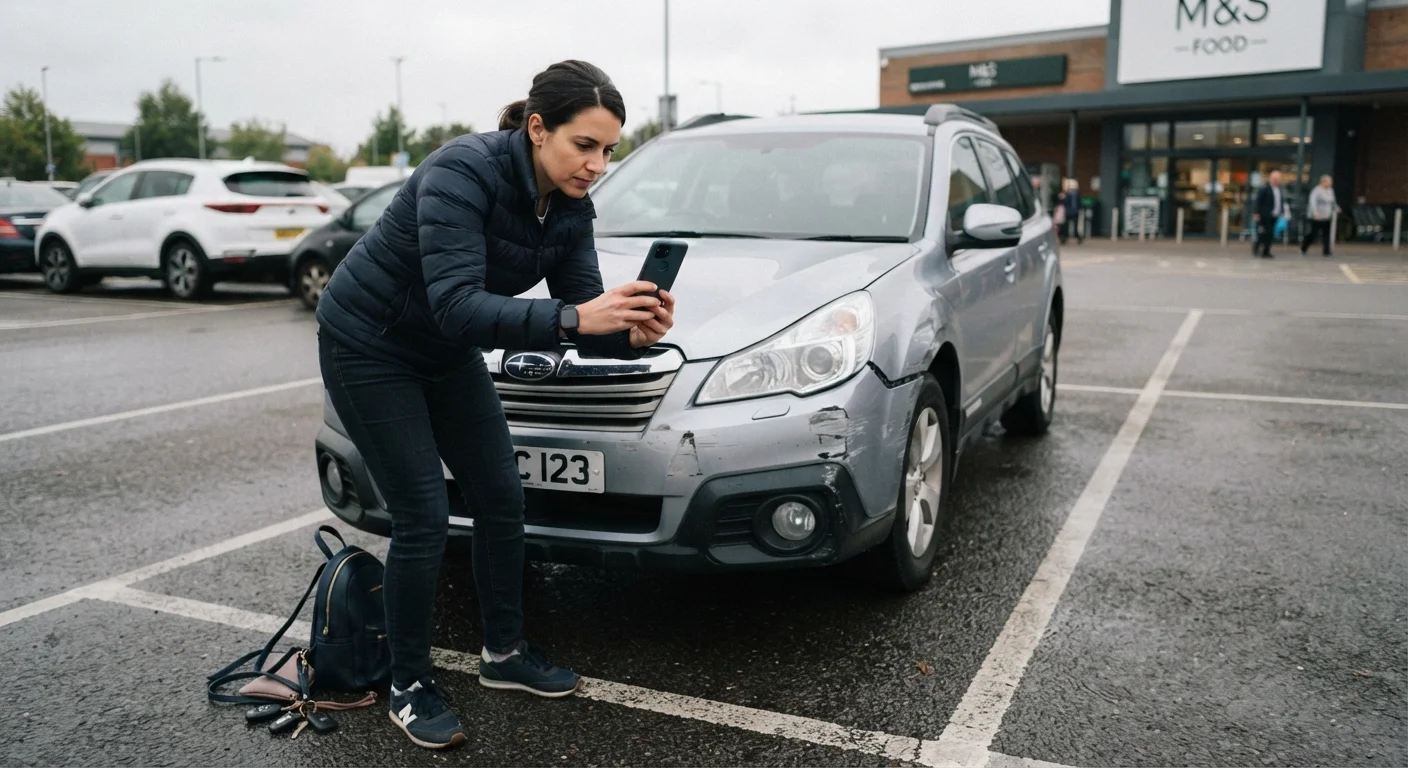
Photo: InsightsChief.com | Your Source Of Trusted Insights editorial
Key Takeaways
- Document the scene thoroughly before leaving - photos and contact details matter enormously later.
- Notify your insurer promptly; most policies require timely reporting after an incident.
- Your deductible and coverage type determine whether filing a claim makes financial sense.
- An adjuster will assess the damage independently - you can dispute their estimate if needed.
- Filing a claim may affect your premium at renewal, so weigh costs before you proceed.
Why the Steps You Take First Matter Most
Auto insurance claims hinge heavily on documentation gathered in the first minutes after an incident. Gaps in that record - missing photos, no witness contacts, inconsistent timelines - can complicate or delay settlement, regardless of fault. Understanding the process before you need it puts you in a far stronger position.
It's also worth knowing which coverage type applies to your situation before you call your insurer. Liability, collision, and comprehensive each cover different scenarios, and filing under the wrong type can create unnecessary delays. Our guide to what each coverage actually covers explains the distinctions clearly.
Know Your Policy Before an Incident Occurs
What you will need
What to Expect During the Claims Process
Once you've notified your insurer, the process follows a predictable sequence. A claims adjuster is assigned, damage is evaluated, and a settlement offer is made. Timelines vary: straightforward claims may resolve in days; those involving disputed liability or significant damage can take weeks.
Keep a Basic Claims Kit in Your Glove Box
Your insurer may offer a rental vehicle during repairs if you carry rental reimbursement coverage - check your policy before assuming this benefit applies. For drivers who want to understand how their current coverage fits their broader situation, reviewing when to audit your policy can surface gaps worth addressing before the next incident.
Think Before You File Every Claim
After your claim closes, managing your insurance over time - including keeping a clean record and shopping your rate at renewal - helps control costs going forward.
Ensure safety, then call for help if needed
Immediately after an incident, check that everyone involved is safe. If there are injuries or significant road hazards, call 911 before anything else. Move vehicles out of active traffic lanes only if it is safe to do so. Do not leave the scene.
Document the scene thoroughly
Before vehicles are moved, photograph all damage from multiple angles, including wide shots showing vehicle positions. Capture license plates, VINs where visible, road conditions, traffic signs, and any skid marks. Note the time, date, and exact location.
Exchange information with all parties
Collect the following from every driver involved: full name, contact number, driver's license number, license plate, vehicle make and model, and insurance company plus policy number. If there are witnesses, get their names and contact details as well.
Decide whether to file a claim
Compare the estimated repair cost against your deductible and the potential premium impact at renewal. If damage is minor and repair costs are only slightly above your deductible, paying out of pocket may cost less overall. For guidance on which coverage type applies to your specific situation, see our article on choosing between collision and comprehensive claims.
Notify your insurer promptly
Contact your insurance company as soon as you decide to file. Most policies require you to report incidents within a reasonable timeframe - some specify exact windows. Use the claims number on your ID card or app. Be factual and complete; provide photos, the other party's information, and the police report number if applicable.
Work with the claims adjuster
Your insurer will assign a claims adjuster to evaluate the damage and determine a settlement figure. The adjuster may inspect the vehicle in person or review photos remotely. They will produce a written estimate. You have the right to get an independent repair estimate and to dispute the adjuster's figure if you believe it is inaccurate - most insurers have a formal review or appraisal process for this.
Authorize repairs and close the claim
Once you agree on the settlement amount, you'll pay your deductible and the insurer covers the remainder up to your policy limits. Repairs can typically proceed at any licensed shop, though some insurers have preferred networks. Keep all repair invoices and communications until the claim is formally closed.
This article provides general information about the auto insurance claims process and is not personalized insurance, financial, or legal advice. Coverage terms, claim procedures, and outcomes vary by insurer and policy. Always read your actual policy documents and consult a licensed insurance professional for guidance specific to your situation.
The content provided on our blog site traverses numerous categories, offering readers valuable and practical information. Readers can use the editorial team’s research and data to gain more insights into their topics of interest. However, they are requested not to treat the articles as conclusive. The website team cannot be held responsible for differences in data or inaccuracies found across other platforms. Please also note that the site might also miss out on various schemes and offers available that the readers may find more beneficial than the ones we cover.