
The Hidden Costs Most Travelers Forget to Budget For

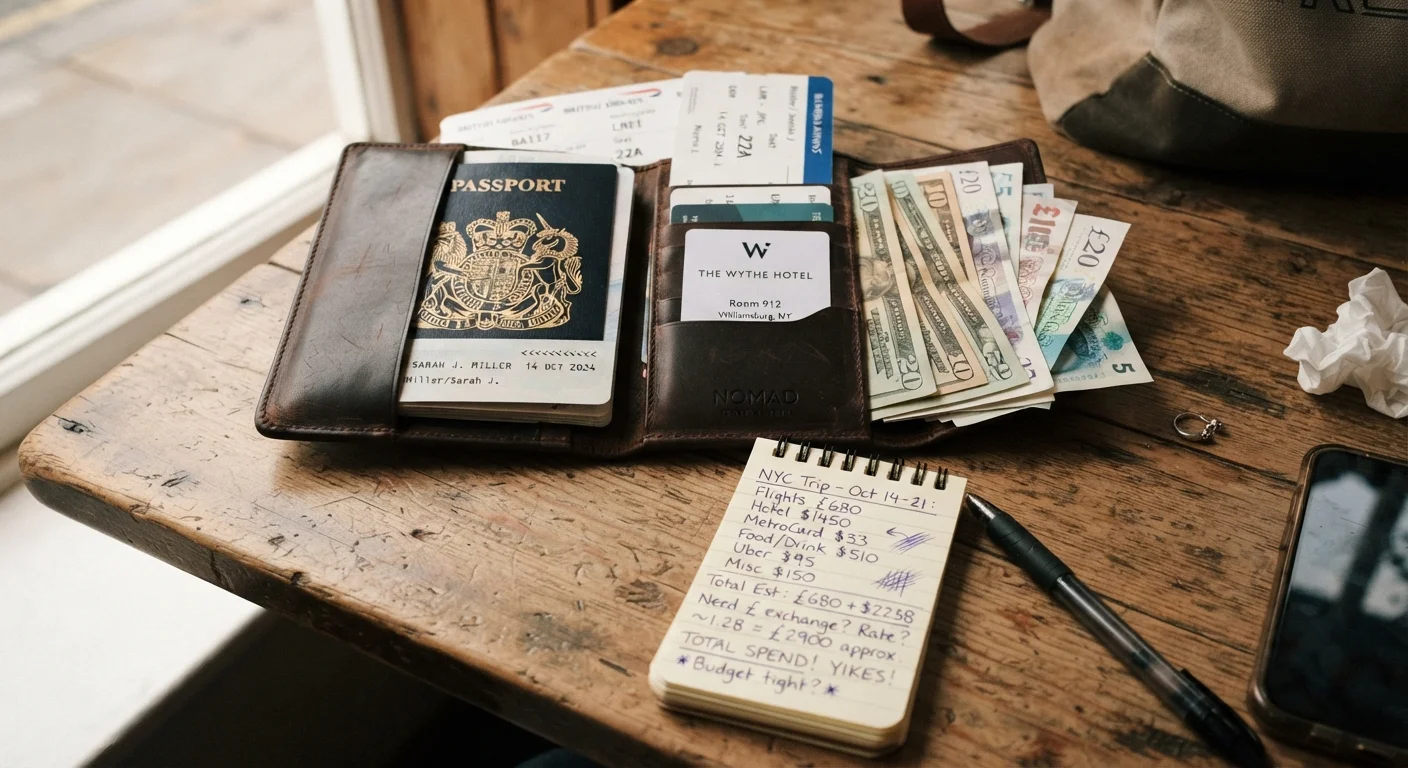
Photo: InsightsChief.com | Your Source Of Trusted Insights editorial
Key Takeaways
- Resort fees, baggage charges, and destination taxes are rarely included in advertised prices.
- Airport transfers and ground transportation are among the most commonly underestimated travel expenses.
- Tipping customs vary widely by destination and can add meaningfully to daily spending.
- Travel insurance and currency conversion fees are easy to overlook until they hit.
- Building a buffer of 10-15% beyond your estimated total helps absorb unexpected costs.
Why Travel Budgets Fall Short
Most travelers do the obvious math - flights plus hotel plus a rough daily allowance - and call it a budget. That calculation leaves out a surprising number of real expenses that accumulate fast once you're on the ground. The result is a trip that costs significantly more than planned, often charged to a credit card that takes months to pay off.
The root problem isn't carelessness. It's that hidden costs are deliberately easy to miss: buried in booking fine print, charged at check-in rather than online, or simply unfamiliar to first-time visitors to a destination. Understanding which costs travelers most commonly miss is the first step toward building a budget that actually holds. For a fuller framework on organizing all travel spending by category, see Travel Budgeting From Scratch.
Ignoring resort fees and mandatory hotel surcharges when comparing accommodation prices.
Failing to budget for airport transfers and ground transportation beyond the destination itself.
Underestimating or completely forgetting to account for tipping across the duration of the trip.
Skipping travel insurance without fully understanding what an uninsured incident could cost.
Not accounting for baggage fees, seat selection charges, and other airline add-ons.
Using airport currency exchanges or hotel conversion services without checking the rates first.
The Expenses That Do the Most Damage
Some overlooked costs are minor irritants. Others can run into hundreds of dollars on a single trip. The categories below consistently catch travelers off guard.
$28-$50+
Typical nightly resort fee range
Resort fees at US hotels commonly run $28-$50 per night and are charged separately from the advertised room rate, according to consumer travel research.
2-3%
Foreign transaction fee on many cards
Many standard US bank and credit cards charge a foreign transaction fee of 2-3% on every overseas purchase, compounding across an entire trip.
10-15%
Recommended budget buffer percentage
Travel financial planners commonly advise setting aside an additional 10-15% of your total estimated trip cost to absorb unexpected expenses.
Resort and destination fees are charged nightly by many hotels - separate from the room rate - and often cover amenities like pools or gyms whether you use them or not. These fees can range from $20 to $50 or more per night and won't appear in most search results until you reach the checkout page. Reading the fine print on advertised deals explains what else tends to be obscured before you commit to a booking.
Ground transportation is another consistent budget-buster. Travelers research flight prices carefully but often forget to price out airport transfers, rideshares, or rental car add-ons like insurance, tolls, and fuel. In some cities, a round-trip taxi from the airport can exceed the cost of a night's accommodation.
Tipping is culturally variable and frequently underbudgeted. In the US, tipping is expected at restaurants, hotels, spas, and for tour guides - typically 15-20% of the bill. On a week-long trip for two, that can realistically add $150-$300 to your spending without ever feeling like a major purchase. International destinations each carry their own norms, so researching in advance is worthwhile.
Travel insurance is often skipped to save money upfront, but a single medical evacuation or cancelled trip can far exceed what a policy would have cost. For a grounded look at when coverage makes financial sense, travel insurance on a tight budget covers the core trade-offs without the sales pitch.
Airport Currency Exchanges Offer Poor Value
Currency conversion fees and foreign transaction charges quietly erode your spending power abroad. Some bank cards charge 2-3% on every foreign purchase. On a $3,000 trip, that's $60-$90 in fees alone - more if you rely on airport currency exchanges, which typically offer the weakest rates available.
Putting a realistic number on each of these categories before you leave is the most reliable way to avoid unpleasant surprises. How a travel buffer fund works offers a practical approach to setting aside a financial cushion specifically for this purpose.
The content provided on our blog site traverses numerous categories, offering readers valuable and practical information. Readers can use the editorial team’s research and data to gain more insights into their topics of interest. However, they are requested not to treat the articles as conclusive. The website team cannot be held responsible for differences in data or inaccuracies found across other platforms. Please also note that the site might also miss out on various schemes and offers available that the readers may find more beneficial than the ones we cover.