The 50/30/20 Rule: A Framework for Everyday Budgeting

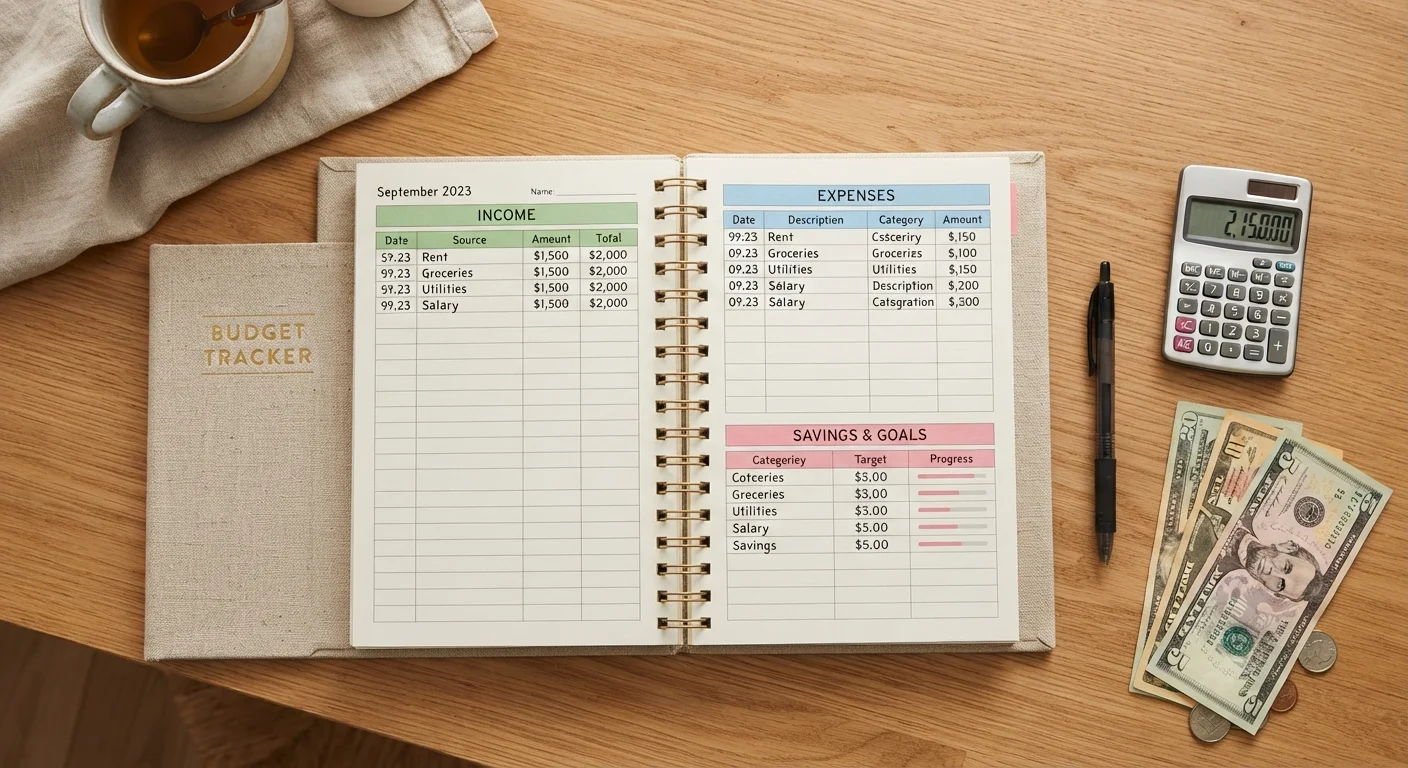
Photo: InsightsChief.com | Your Source Of Trusted Insights editorial
Key Takeaways
- The 50/30/20 rule splits after-tax income into needs, wants, and savings or debt payoff.
- It works as a starting framework, not a one-size-fits-all rule - adjust percentages to your reality.
- Housing costs alone can push many households over the 50% needs threshold.
- The 20% savings bucket should cover both an emergency fund and longer-term goals.
- Tracking your current spending first helps reveal how far off the framework you already are.
- Consult a licensed financial professional before making major decisions about debt or savings strategy.
What the Three Buckets Actually Mean
The 50/30/20 framework sorts every dollar of after-tax income into one of three categories. Understanding where expenses genuinely belong is the most important - and most misunderstood - part of applying this rule.
50%: Needs
Needs are non-negotiable monthly costs: rent or mortgage payments, utilities, groceries, health insurance premiums, minimum loan payments, and basic transportation. The test is simple - if skipping it would put your housing, health, or ability to earn income at risk, it's a need. Note that this category can get crowded fast; in many US metro areas, rent alone consumes more than 30% of a median household's take-home pay.
30%: Wants
Wants are the discretionary expenses that improve quality of life but aren't strictly required. Streaming services, restaurant meals, hobby purchases, clothing beyond the basics, and vacation spending fall here. This bucket acknowledges that a livable budget isn't purely austere - but it sets a ceiling on lifestyle spending so it doesn't crowd out financial progress.
20%: Savings and Debt Repayment
This bucket serves double duty. It should cover contributions toward an emergency fund, retirement accounts, or other savings goals, and any debt payments above the required minimum. Paying down high-interest debt faster reduces long-term costs, which is why it shares this category with savings rather than being buried in needs.
For a foundational overview of how these principles connect, see core household budgeting principles that apply regardless of income level.
Start by Tracking, Not Cutting
Where the Rule Works - and Where It Strains
The 50/30/20 rule works best when a household's fixed costs fall comfortably below half of take-home pay, leaving room to fund both lifestyle and savings simultaneously. It's a practical fit for moderate-income earners who have stable, predictable paychecks and aren't carrying significant high-interest debt.
The framework strains under several common real-world pressures:
- High housing costs: In cities where rents exceed $2,000 per month, a household earning $60,000 after tax may find needs consuming 60-65% of income before touching groceries or transportation.
- Student loan or medical debt loads: Substantial debt minimum payments can push the needs bucket over threshold even on moderate incomes.
- Variable income: Freelancers, gig workers, and seasonal employees face month-to-month income swings that make fixed-percentage targets harder to hit consistently.
- Low-income households: When income barely covers essentials, a 30% wants allocation isn't realistic - and shouldn't induce guilt. The framework is a target, not a judgment.
If you're evaluating whether percentages or fixed dollar amounts better match your household structure, the comparison in percentage-based vs. fixed-amount budgeting is worth reading.
30%+
US renters spending above 30% of income on housing
The US Census Bureau classifies households spending more than 30% of gross income on housing as 'cost-burdened,' a threshold exceeded by nearly half of all renters nationally.
~$1,000
Median US household monthly savings
Federal Reserve data on consumer finances suggest a large share of US households save less than the 20% benchmark, with many setting aside far less - underscoring why a structured framework matters.
57%
Americans living paycheck to paycheck
Surveys conducted by financial research organizations consistently find a majority of US adults report having little to no financial cushion between income and expenses.
How to Apply It Starting This Month
Applying the 50/30/20 rule starts with knowing your current numbers, not assuming them. Most households discover their actual spending distribution differs significantly from where they assumed it was.
- Calculate your monthly after-tax income. Include all regular take-home pay. If income varies, use a three-month average as your baseline.
- List your fixed needs. Pull the last two months of bank and credit card statements. Total every non-negotiable recurring cost.
- Total your wants spending. Identify subscriptions, dining, entertainment, and discretionary purchases over the same period.
- Add up savings and extra debt payments. Include automatic transfers, retirement contributions, and any above-minimum debt payments.
- Compare to the 50/30/20 targets. Note which buckets are over and which are underfunded. This is your baseline - not a failing grade.
- Make one adjustment. Rather than overhauling everything at once, identify a single category where spending is meaningfully above target and set a specific reduction for next month.
A structured monthly budget review checklist can help you repeat this process consistently and catch spending drift before it compounds.
This article provides general financial information for educational purposes only and is not personalised financial advice. For guidance specific to your situation, consult a licensed financial professional.
Frequently Asked Questions
The content provided on our blog site traverses numerous categories, offering readers valuable and practical information. Readers can use the editorial team’s research and data to gain more insights into their topics of interest. However, they are requested not to treat the articles as conclusive. The website team cannot be held responsible for differences in data or inaccuracies found across other platforms. Please also note that the site might also miss out on various schemes and offers available that the readers may find more beneficial than the ones we cover.