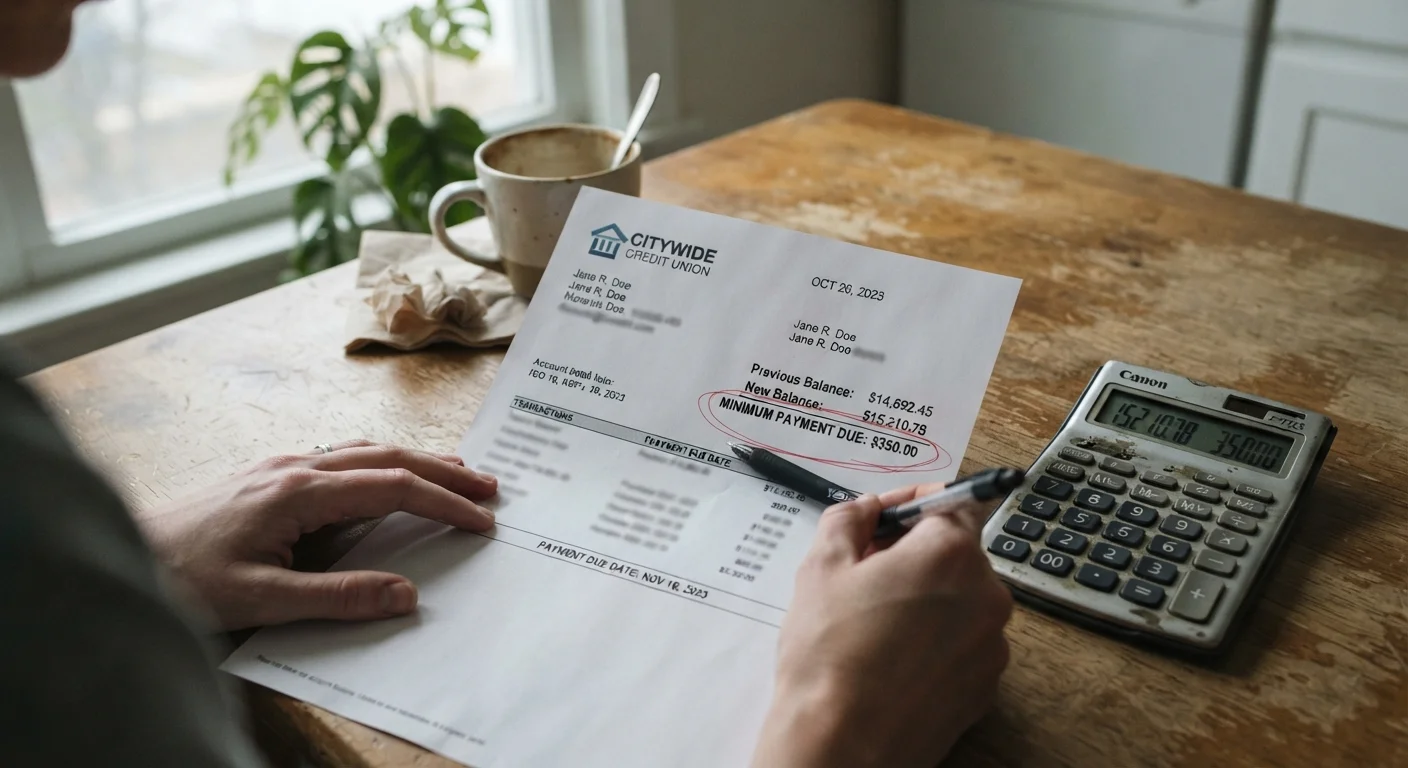
Saving on Utilities: Habits That Reduce Monthly Energy Bills

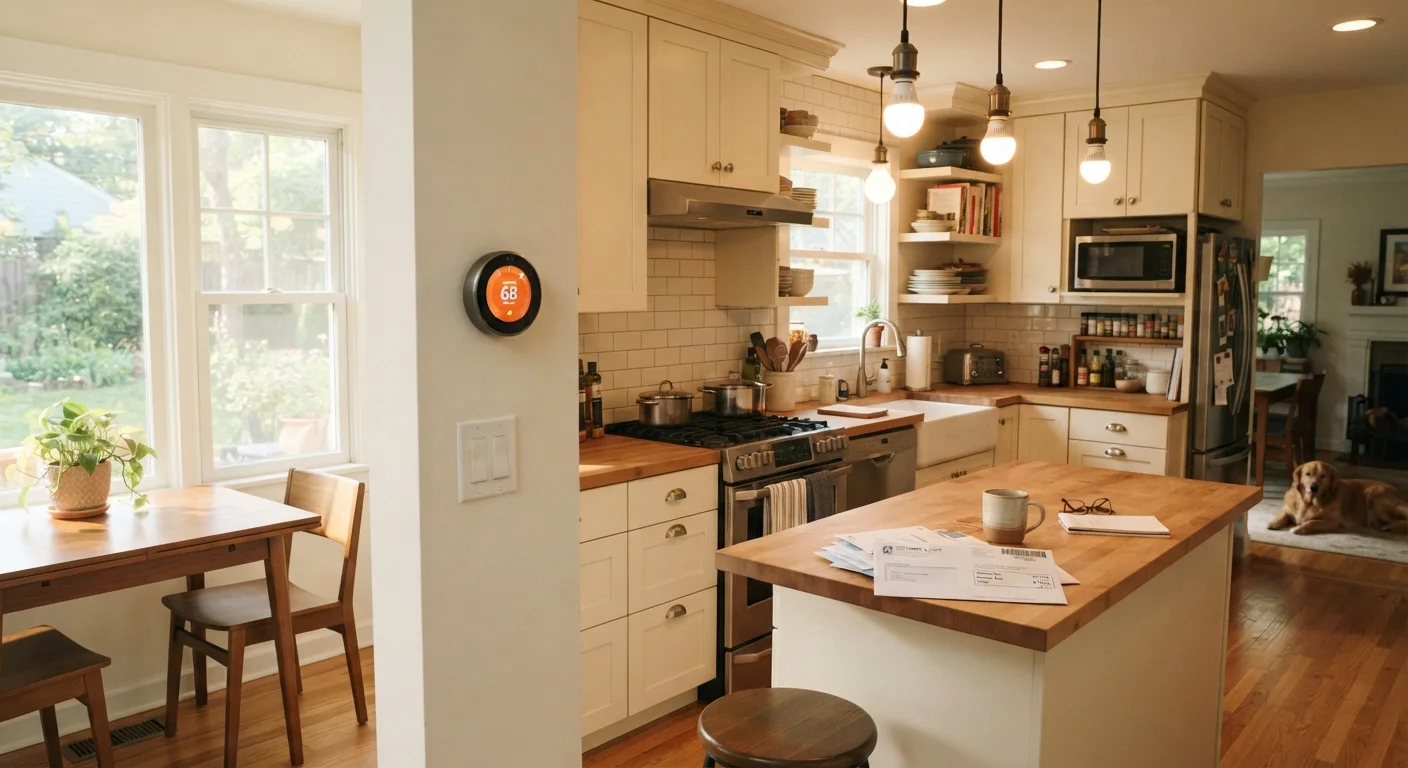
Photo: InsightsChief.com | Your Source Of Trusted Insights editorial
Key Takeaways
- Heating and cooling typically account for nearly half of a US household's annual energy costs.
- Many effective energy-saving habits cost nothing to implement beyond a behavioral change.
- Water heating is the second-largest home energy expense - reducing hot water use pays off quickly.
- Phantom load (devices drawing power while idle) can account for up to 10% of electricity use.
- Combining several small habits compounds savings significantly over a 12-month period.
Why Utility Bills Deserve a Closer Look
For most US households, utilities - electricity, natural gas, and water - represent one of the largest fixed monthly expenses outside of housing and food. According to the U.S. Energy Information Administration (EIA), the average American household spends over $2,000 per year on home energy alone. That figure climbs higher in regions with extreme summers or winters.
Unlike groceries or entertainment, utility bills can feel immovable. But a significant portion of that spending is driven by everyday habits rather than unavoidable baseline costs. Shifting those habits - often at zero upfront cost - is one of the most accessible ways for budget-conscious households to free up meaningful cash each month.
This article focuses on durable, no-gimmick practices grounded in how energy and water are actually consumed in a typical home. If you're already working to trim other recurring expenses, consider pairing these strategies with an audit of recurring subscriptions that quietly drain household budgets for a fuller picture of monthly outflows.
Proven Habits That Shrink Energy and Water Bills
The practices below are organized from highest to lowest typical impact. None require a contractor or capital investment to start - though some low-cost upgrades amplify results significantly.
Adjust your thermostat by 7-10°F when sleeping or away from home
Eliminate phantom load by unplugging idle electronics or using smart power strips
Run dishwashers and washing machines only with full loads, and use cold water cycles
Fix dripping faucets and running toilets promptly
Lower your water heater temperature to 120°F
Use natural light and ventilation strategically before reaching for switches or thermostats
Quick Actions You Can Take Today
Not every change requires planning. Several high-impact behaviors can be adopted immediately, with savings showing up on the very next billing cycle.
Once you've stabilized lower utility bills, consider redirecting the difference into savings automatically. Our guide on automating your savings explains how to put that recovered money to work without thinking about it each month.
Putting It All Together
No single habit here will transform a utility bill overnight. The power is in combining several changes so that savings layer on top of each other. A household that adjusts thermostat schedules, eliminates phantom load, runs full dishwasher loads, and fixes a dripping faucet could realistically reduce energy and water costs by 15-25%, depending on current habits and local rates - though individual results will vary.
43%
Share of home energy used for heating and cooling
According to the U.S. Department of Energy, HVAC is by far the largest energy expense in a typical American home.
~$2,000+
Average annual household energy spending
The U.S. Energy Information Administration estimates most American households spend more than $2,000 per year on residential energy.
3,000 gal
Water wasted per year by one dripping faucet
The EPA's WaterSense program estimates a single faucet dripping once per second wastes over 3,000 gallons annually.
Tracking your bills month-over-month is the best way to measure progress. Many utility providers offer free online dashboards that break down usage by category. Use those tools to identify where you're winning and where more attention is needed. Building this habit of tracking fits naturally into a broader household savings plan - see our complete guide to building a household savings plan for a structured framework.
This article is for general informational purposes only and does not constitute financial or energy-efficiency advice tailored to your individual circumstances. Actual savings will vary based on household size, local utility rates, climate, and existing appliances. Consult a licensed energy auditor or financial professional for personalized guidance.
The content provided on our blog site traverses numerous categories, offering readers valuable and practical information. Readers can use the editorial team’s research and data to gain more insights into their topics of interest. However, they are requested not to treat the articles as conclusive. The website team cannot be held responsible for differences in data or inaccuracies found across other platforms. Please also note that the site might also miss out on various schemes and offers available that the readers may find more beneficial than the ones we cover.